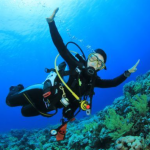
The allure of the underwater world is undeniable, a realm of profound silence, vibrant ecosystems, and breathtaking beauty. For centuries, humans have been fascinated by what lies beneath the surface, leading to the development of two primary methods of underwater exploration: freediving and scuba diving. While both offer unparalleled access to marine environments, they represent distinct philosophies, require different skill sets, and involve varying levels of equipment and training. This comprehensive guide serves as your ultimate resource, meticulously detailing the nuances between these disciplines, offering an exhaustive breakdown of what to expect for your first scuba dive, and emphasizing the critical safety considerations for all aquatic adventurers.
Understanding the core principles and practicalities of each discipline is paramount for anyone considering venturing beneath the waves. This pillar page will delve deep into the equipment, training, physical and mental demands, and the unique experiences offered by both freediving and scuba diving, ensuring you are fully informed to choose the path that resonates most with your spirit of adventure. We will leave no stone unturned, providing detailed explanations, step-by-step instructions, and expert insights to prepare you for a safe, enjoyable, and transformative underwater journey.
Freediving vs. Scuba Diving: A Fundamental Comparison
At their core, freediving and scuba diving both aim to allow humans to experience the aquatic realm firsthand. However, the methods, equipment, and underlying philosophies diverge significantly, shaping entirely different experiences. Understanding these distinctions is crucial for aspiring divers to determine which activity aligns best with their personal goals, physical capabilities, and desired connection with the ocean.
Defining Freediving: The Art of Breath-Hold
Freediving is the practice of diving underwater on a single breath of air without the aid of external breathing apparatus. It is an ancient practice, historically used for fishing, pearl diving, and foraging, and has evolved into a competitive sport and a meditative recreational activity. Freediving emphasizes breath control, mental discipline, physical fitness, and a deep understanding of one’s own body and its physiological responses to pressure and oxygen deprivation. Divers rely on their inherent mammalian dive reflex, which slows heart rate and constricts blood vessels, to conserve oxygen and extend their time underwater. The essence of freediving lies in its simplicity and the profound personal challenge it presents, fostering an intimate connection with the aquatic environment.
- Minimalist Approach: Typically involves a mask, snorkel, long fins, and a wetsuit.
- Mental Discipline: Focuses heavily on relaxation, breath-holding techniques, and mental fortitude.
- Physiological Adaptation: Utilizes the body’s natural responses to immersion, such as bradycardia and peripheral vasoconstriction.
Defining Scuba Diving: Sustained Underwater Exploration
Scuba diving, an acronym for Self-Contained Underwater Breathing Apparatus, involves using specialized equipment to breathe compressed air underwater, allowing for extended stays and greater depths than freediving. Developed in the mid-20th century, scuba diving revolutionized underwater exploration, making it accessible to a broader audience for recreation, scientific research, and commercial applications. Scuba diving requires extensive training to understand equipment operation, dive planning, buoyancy control, and emergency procedures. It offers the unique opportunity to explore shipwrecks, coral reefs, and diverse marine life for prolonged periods, making it ideal for photography, observation, and deep-sea exploration.
- Equipment-Dependent: Relies on a tank of compressed air, regulator, BCD (Buoyancy Control Device), gauges, mask, fins, and wetsuit.
- Extended Bottom Time: Allows divers to remain underwater for 30-60 minutes or more, depending on depth and air consumption.
- Structured Training: Requires certification from recognized agencies like PADI or SSI, covering theory and practical skills.
Key Differences: Equipment, Breathing, Depth, Duration
The most striking differences between freediving and scuba diving lie in their technical approaches to underwater breathing and the resulting operational parameters. These distinctions directly influence the experience, training requirements, and inherent risks of each activity.
| Feature | Freediving | Scuba Diving |
|---|---|---|
| Breathing | Single breath-hold | Continuous breathing from compressed air tank |
| Equipment | Mask, snorkel, long fins, wetsuit, weight belt | Mask, fins, wetsuit, BCD, regulator, tank, gauges, weights |
| Depth Limit | Limited by individual physiology and training (recreational usually 10-30m, competitive much deeper) | Limited by air supply, decompression limits, and training (recreational typically 18-40m) |
| Duration | Minutes per dive (seconds to several minutes) | Hours per dive (30-60+ minutes per tank fill) |
| Speed/Mobility | Streamlined, agile, faster vertical movement | Slower, more methodical, controlled buoyancy |
| Sound | Virtually silent, allowing closer interaction with marine life | Bubble noise from exhaled air |
| Physical Demands | High cardio-respiratory fitness, mental fortitude | Moderate physical fitness, good health, buoyancy control |
| Cost (Initial) | Lower (basic gear, course) | Higher (extensive gear, multi-day certification) |
| Risk Factors | Shallow water blackout, lung squeeze | Decompression sickness, nitrogen narcosis, equipment failure |
This comparative analysis highlights that while both activities are performed underwater, they cater to different aspirations. Freediving offers an immediate, visceral connection through personal effort and breath, while scuba diving provides a technologically enhanced, extended exploration capability.
Choosing Your Path: Philosophy and Experience
The choice between freediving and scuba diving often comes down to personal preference, the type of experience sought, and even a philosophical alignment. Freediving appeals to those who seek a minimalist, meditative challenge, pushing personal limits in harmony with the water. It’s about self-discovery and an intimate, silent communion with the marine world, often described as a form of underwater yoga. The focus is internal, on breath, body, and mind.
Scuba diving, conversely, is for those who desire to spend significant time observing and interacting with underwater environments without the constant pressure of breath-holding. It’s about external exploration, discovery, and the joy of sharing those experiences with a buddy. The technological assistance allows for a more relaxed and extended observation period, making it ideal for underwater photography, detailed mapping, or simply enjoying the vastness of the ocean’s ecosystems. Ultimately, both paths promise incredible adventures, but they deliver them through profoundly different lenses.

The World of Scuba Diving: Getting Started
For many, the idea of breathing underwater and exploring vibrant coral reefs or mysterious shipwrecks is a lifelong dream. Scuba diving transforms this dream into a tangible reality, opening up a new dimension of exploration. Getting started on your scuba journey involves understanding the benefits, familiarizing yourself with essential gear, and committing to proper certification and training. This section provides a comprehensive roadmap for beginners, ensuring a smooth and safe entry into the fascinating world beneath the waves.
Why Scuba Diving? Benefits and Appeal
The appeal of scuba diving extends far beyond mere underwater sight-seeing; it offers a multitude of physical, mental, and experiential benefits that enrich one’s life. The unique environment of the ocean provides an escape from the terrestrial world, fostering a sense of peace and wonder.
- Unparalleled Exploration: Scuba diving grants access to 71% of the Earth’s surface that remains largely unexplored by humans. This includes vibrant coral reefs, ancient shipwrecks, mysterious underwater caves, and diverse marine ecosystems teeming with life. Each dive offers a chance for new discoveries.
- Stress Reduction & Mindfulness: The rhythmic breathing, weightless environment, and serene silence underwater have a profound calming effect. Many divers report a significant reduction in stress and an enhanced sense of mindfulness, as the focus required for diving keeps the mind present and free from daily worries.
- Physical Fitness: While not an intense cardio workout, diving engages various muscle groups, improves cardiovascular health, and enhances flexibility. Carrying gear, swimming against currents, and maintaining buoyancy all contribute to physical conditioning.
- Educational Opportunities: Diving provides a unique platform for learning about marine biology, oceanography, and conservation. Witnessing ecosystems firsthand fosters a deeper appreciation and understanding of the delicate balance of our oceans.
- Community & Travel: Scuba diving is a highly social activity, bringing together individuals who share a passion for the ocean. It often involves travel to exotic locations, expanding horizons and creating unforgettable memories with like-minded people.
These benefits collectively contribute to why scuba diving is not just a sport, but a lifestyle for many, offering continuous opportunities for adventure, learning, and personal growth.
Essential Scuba Gear Explained
Scuba diving relies on a suite of specialized equipment, each piece playing a critical role in ensuring safety, comfort, and the ability to breathe and move underwater. Understanding the function of each component is fundamental for every diver.
- Mask: Allows clear vision underwater by creating an air pocket in front of your eyes. It must seal comfortably to your face.
- Snorkel: Used for surface swimming to conserve tank air before a dive or during surface intervals.
- Fins: Propel you through the water efficiently, minimizing effort. There are open-heel fins (worn with boots) and full-foot fins.
- Wetsuit/Drysuit: Provides thermal insulation. Wetsuits trap a layer of water against the skin, warmed by body heat. Drysuits keep you completely dry, often used in colder waters.
- Buoyancy Control Device (BCD): A vest-like jacket that holds your tank. It can be inflated or deflated to control your buoyancy, allowing you to ascend, descend, or hover effortlessly at any depth. Modern BCDs often integrate weight systems.
- Regulator: The most crucial piece of life-support equipment. It reduces the high-pressure air from your tank to ambient pressure, allowing you to breathe comfortably underwater. It consists of a first stage (attaches to the tank valve), a primary second stage (for your mouth), an alternate air source (for emergencies), and a low-pressure inflator hose (for your BCD).
- Submersible Pressure Gauge (SPG): Displays the amount of air remaining in your tank, typically integrated into a console with a depth gauge.
- Depth Gauge: Shows your current depth.
- Dive Computer: An essential modern tool that monitors depth, bottom time, no-decompression limits, ascent rates, and much more, providing real-time data to ensure safe diving.
- Weights: Used to counteract the natural buoyancy of your body and wetsuit, allowing you to descend. These are often integrated into the BCD or worn on a separate weight belt.
Each piece of gear works in concert to create a safe and enjoyable diving experience. Proper maintenance and regular servicing are vital for all equipment.
Understanding Scuba Certifications and Training
Before you can embark on your first independent scuba dive, formal training and certification from a recognized agency are mandatory. These certifications ensure that divers possess the necessary knowledge and skills to dive safely and responsibly.
- Open Water Diver (OWD) Certification: This is the entry-level certification, typically offered by organizations like PADI (Professional Association of Diving Instructors) and SSI (Scuba Schools International). The course generally involves three main components:
- Knowledge Development: Covers dive theory, physics, physiology, equipment, safety procedures, and marine life interaction. This can often be completed online or through self-study.
- Confined Water Dives: Practical sessions in a pool or calm, shallow water to learn fundamental skills like mask clearing, regulator recovery, buoyancy control, and emergency procedures.
- Open Water Dives: A series of actual dives in an open water environment (ocean, lake, quarry) to demonstrate mastery of learned skills in real-world conditions. Typically 4 dives are required.
- What You’ll Learn:
- Buddy System: The fundamental safety principle of never diving alone.
- Dive Planning: How to plan a dive, considering depth, time, air consumption, and no-decompression limits.
- Buoyancy Control: Mastering the art of neutral buoyancy to hover effortlessly and minimize impact on the environment.
- Emergency Procedures: Out-of-air scenarios, equipment malfunctions, and assisting a distressed diver.
- Environmental Awareness: Best practices for interacting with marine life and protecting fragile ecosystems.
Upon successful completion of the OWD course, you will receive a certification card, allowing you to rent gear, get air fills, and dive with a buddy to the certified depth limits (typically 18 meters/60 feet for Open Water Divers).
Your First Scuba Dive: Step-by-Step Preparation
The excitement leading up to your first scuba dive is immense. Proper preparation is key to ensuring a safe, comfortable, and memorable experience. Follow these steps to get ready for your initial underwater adventure:
- Complete Your Medical Questionnaire: Before any in-water training, you’ll need to fill out a medical form. Be honest about any health conditions, as some may require a doctor’s clearance for diving.
- Review Dive Theory: Ensure you understand the basic principles covered in your knowledge development. This includes pressure effects, buoyancy, air consumption, and safety rules.
- Pack Your Essentials:
- Swimsuit and Towel: Obvious but essential.
- Sun Protection: Sunscreen, hat, sunglasses for surface intervals.
- Water Bottle: Stay hydrated, especially in warm climates.
- Motion Sickness Medication: If prone to seasickness, take it well in advance.
- Certification Card/Logbook: Once certified, always bring these.
- Listen to Your Instructor: Your dive instructor is your primary source of information and safety. Pay close attention to briefings, ask questions, and follow all directions.
- Gear Check: Before each dive, perform a thorough buddy check (PADI’s BWRAF: BCD, Weights, Releases, Air, Final check) to ensure all equipment is correctly assembled and functioning.
- Equalize Early and Often: As you descend, the pressure increases. You must equalize the pressure in your ears by gently pinching your nose and blowing, or swallowing. Do this frequently and before you feel discomfort.
- Breathe Continuously: The golden rule of diving: never hold your breath. Breathe slowly and deeply.
- Stay Relaxed: Nerves are normal, but try to relax. Panicking consumes air faster and can lead to errors. Focus on your breathing and the beauty around you.
- Maintain Buoyancy: Practice controlling your buoyancy with your BCD and breath. Aim for neutral buoyancy to minimize effort and avoid touching the bottom.
- Ascend Slowly: Always ascend at a controlled rate (no faster than 18 meters/60 feet per minute) and perform a safety stop (3 minutes at 5 meters/15 feet) to allow dissolved nitrogen to off-gas safely.
Your first dive will be an incredible experience. By following these steps and trusting your training, you’ll be well-prepared to safely enjoy the wonders of the underwater world.

Safety First: Critical Considerations for All Divers
Whether you choose the minimalist path of freediving or the equipment-rich world of scuba, safety must always be the paramount concern. The underwater environment, while beautiful, is unforgiving, and understanding its risks, your physical limitations, and how to mitigate potential dangers is non-negotiable. Responsible diving, regardless of discipline, is built upon a foundation of thorough training, meticulous planning, and unwavering adherence to safety protocols.
Common Risks and How to Mitigate Them
Both freediving and scuba diving carry inherent risks that, if not properly understood and managed, can lead to serious incidents. Awareness and proactive measures are key to prevention.
- Decompression Sickness (DCS) or “The Bends” (Scuba):
- Risk: Caused by nitrogen bubbles forming in the body’s tissues when ascending too quickly after a dive, leading to pain, paralysis, or even death.
- Mitigation: Adhere strictly to dive computer limits, make slow ascents, perform safety stops, and avoid flying or going to altitude too soon after diving.
- Nitrogen Narcosis (Scuba):
- Risk: A reversible alteration in consciousness at depth due to the intoxicating effect of nitrogen under pressure, impairing judgment and motor skills.
- Mitigation: Avoid diving beyond recreational depth limits (typically 30-40m), recognize symptoms, and ascend to shallower depths if affected.
- Shallow Water Blackout (Freediving):
- Risk: Loss of consciousness during or shortly after ascending from a breath-hold dive, typically in the last few meters to the surface, due to a sudden drop in oxygen partial pressure.
- Mitigation: Always dive with a buddy, avoid hyperventilation, respect your limits, and prioritize safety over depth/time records.
- Lung Squeeze/Barotrauma (Both):
- Risk: Injury to body tissues caused by pressure differences between air spaces (lungs, ears, sinuses) and the surrounding water pressure.
- Mitigation: Equalize ears and sinuses frequently during descent, never hold your breath during ascent (scuba), and ensure proper training in freediving equalization techniques.
- Equipment Malfunction (Scuba):
- Risk: Failure of regulators, BCDs, or other gear can lead to critical situations.
- Mitigation: Regular equipment maintenance, pre-dive checks, and thorough training in emergency procedures (e.g., alternate air source use).
- Environmental Hazards (Both):
- Risk: Strong currents, unpredictable weather, dangerous marine life, entanglement hazards.
- Mitigation: Check weather and tide conditions, dive within your limits, avoid touching marine life, and carry appropriate cutting tools.
Understanding these risks is the first step; consistent application of mitigation strategies, learned through certified training, is paramount.
Medical Fitness for Diving
Diving places unique physiological demands on the body, and certain medical conditions can significantly increase risks. Before embarking on any dive training, a comprehensive medical assessment is highly recommended, and often required by training agencies.
- Cardiovascular Health: Conditions like heart disease, high blood pressure, or irregular heart rhythms can be exacerbated by the physical exertion and pressure changes of diving.
- Respiratory Health: Asthma, lung disease, or even severe allergies can lead to air trapping or other pulmonary issues underwater. Any history of pneumothorax (collapsed lung) is generally a contraindication for diving.
- Ear, Nose, and Throat (ENT) Health: Conditions affecting the ability to equalize pressure in the ears and sinuses (e.g., chronic sinusitis, perforated eardrum) can lead to barotrauma.
- Neurological Conditions: History of seizures, strokes, or certain neurological disorders can pose significant risks due to potential impairment underwater.
- Mental Health: Severe anxiety or panic disorders can be dangerous in a challenging underwater environment.
It is crucial to be honest on medical questionnaires and consult with a dive-specialized physician if you have any pre-existing conditions. Many conditions are manageable with proper medical advice, but ignoring them can have severe consequences.
Environmental Responsibility
As visitors to the underwater world, divers bear a profound responsibility to protect the fragile marine ecosystems they explore. Adhering to ethical diving practices ensures these environments remain vibrant for future generations.
- Buoyancy Control: Master neutral buoyancy to avoid contact with coral, marine life, or the seabed. Every touch can cause damage to delicate organisms.
- No Touching, No Taking: Resist the urge to touch, feed, or harass marine animals. Observe from a respectful distance. Never remove anything from the ocean, whether living or inanimate.
- Proper Gear Stowage: Ensure all hoses, gauges, and equipment are streamlined and secured to prevent accidental dragging or entanglement.
- Minimize Waste: Be mindful of plastics and other pollutants. Dispose of trash properly and participate in clean-up efforts.
- Support Sustainable Tourism: Choose dive operators and resorts that demonstrate a commitment to environmental protection and responsible practices.
Every diver is an ambassador for the ocean. By practicing environmental responsibility, we contribute to the longevity and health of marine habitats, ensuring their beauty can be enjoyed for years to come.

Advanced Diving Techniques and Continued Education
The journey into the underwater world doesn’t end with initial certification. Both freediving and scuba diving offer extensive opportunities for continued learning, skill refinement, and specialized exploration. Pursuing advanced training not only enhances safety and confidence but also unlocks access to new environments, introduces challenging techniques, and deepens one’s appreciation for the aquatic realm.
Speciality Scuba Courses
Once you’ve mastered the basics of Open Water diving, a plethora of specialty courses are available to expand your skills and interests. These courses are designed to introduce divers to specific environments, equipment, or techniques under the guidance of experienced instructors.
- Advanced Open Water Diver (AOWD): Often the next step, this course involves five adventure dives, including a deep dive and a navigation dive, along with three other specialty dives of your choice (e.g., night, wreck, photography). It increases your certified depth limit to 30 meters (100 feet).
- Rescue Diver: A highly recommended course focusing on preventing and managing dive emergencies, both for yourself and others. It builds confidence and hones problem-solving skills, making you a safer and more capable buddy.
- Deep Diver: Trains you to safely plan and execute dives beyond 30 meters, up to 40 meters (130 feet), understanding the physiological effects and risks associated with greater depths.
- Enriched Air (Nitrox) Diver: Teaches you to dive with air mixtures containing a higher percentage of oxygen, allowing for longer bottom times and shorter surface intervals compared to standard air.
- Wreck Diver: Explores the techniques and hazards of diving on shipwrecks, emphasizing safety protocols for penetration and navigation.
- Night Diver: Introduces the unique challenges and beauty of diving after dark, revealing a completely different array of marine life.
- Underwater Photographer/Videographer: Focuses on techniques for capturing stunning images or videos of the underwater world.
- Drift Diver: Teaches how to safely navigate and enjoy dives in currents, allowing you to cover more ground with less effort.
These specialty courses provide focused training, allowing divers to tailor their education to their specific interests and become well-rounded, adaptable underwater explorers. Each course typically includes knowledge development and practical in-water sessions, reinforcing safety and best practices.
Freediving Progression
Freediving also offers a structured path for progression, moving beyond basic breath-hold techniques to advanced disciplines that challenge both physical and mental limits. These courses are crucial for safely extending depth and duration.
- Level 1/Basic Freediver: Focuses on foundational breath-hold techniques, equalization, safety procedures, and static/dynamic apnea. Introduces proper finning techniques and dive planning.
- Level 2/Advanced Freediver: Builds upon basic skills, introducing more advanced equalization (e.g., Frenzel maneuver), deeper diving techniques (e.g., freefall), and advanced safety protocols. It aims to increase depth and bottom time safely.
- Competitive Disciplines: Freediving competitions feature several disciplines, including:
- Static Apnea (STA): Holding breath for as long as possible while floating motionless.
- Dynamic Apnea (DYN): Swimming horizontally underwater for distance on one breath (with or without fins).
- Constant Weight (CWT): Descending and ascending using only fins or a monofin, carrying a constant weight.
- Free Immersion (FIM): Descending and ascending by pulling on a rope without fins.
- Variable Weight (VWT): Descending with a weighted sled and ascending using fins or pulling on a rope.
- No-Limits (NLT): Descending with a weighted sled and ascending with a lift bag (the deepest discipline).
Advanced freediving training emphasizes rigorous safety protocols, buddy systems, and understanding the physiological limits of the human body, ensuring that progression is both challenging and secure.
Beyond the Basics: Exploring Diverse Dive Sites
With advanced training, divers gain the confidence and skills to explore a wider variety of dive sites, each offering unique challenges and rewards. The world’s oceans are filled with countless spectacular locations, from vibrant coral gardens to mysterious deep-sea trenches.
- Coral Reefs: The rainforests of the sea, teeming with biodiversity. Famous sites include
Reader boundary: This guide is for general editorial information only. Diving, marine-wildlife, environmental, lighting, electrical, appliance, plant-care, and home-installation topics should be checked against current standards, manufacturer instructions, local rules, and qualified professionals before practical use.