Understanding the Mechanics of the Urban Heat Island Effect
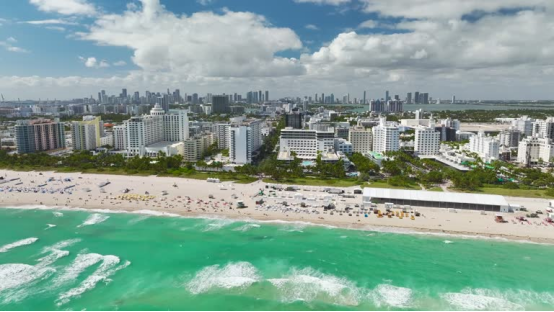
The Urban Heat Island (UHI) effect is a phenomenon where urban regions experience significantly warmer temperatures than their surrounding rural areas. This thermal discrepancy is primarily driven by the physical transformation of the landscape. As cities expand, natural land cover—such as vegetation and water bodies—is replaced by dense concentrations of pavement, buildings, and other surfaces that absorb and retain heat.
Key Drivers of Urban Warming
- Thermal Mass and Absorption: Materials like asphalt and concrete have high thermal mass, meaning they absorb solar radiation during the day and release it slowly throughout the night, preventing the city from cooling down.
- Lack of Evapotranspiration: In rural areas, plants and trees cool the air through evapotranspiration. Urban areas often lack sufficient green canopy to provide this natural cooling effect.
- Waste Heat Generation: Human activities, including vehicle exhaust, industrial processes, and air conditioning systems, contribute additional heat to the local environment.

Transformative Green Solutions for Urban Cooling
Mitigating the UHI effect requires a multifaceted approach that integrates nature-based solutions into the built environment. By prioritizing green infrastructure, municipalities and residents can significantly reduce ambient temperatures and improve public health.
Implementing Rooftop Greening
Green roofs, or living roofs, involve growing vegetation on the rooftops of buildings. These installations act as a thermal buffer, insulating buildings in the winter and reducing heat absorption in the summer. Beyond temperature reduction, they assist in stormwater management and provide vital habitats for urban pollinators.
The Role of Permeable Pavements
Traditional asphalt prevents water from soaking into the ground, contributing to both heat retention and runoff issues. Permeable pavements allow water to pass through the surface, facilitating evaporation that cools the immediate air and replenishes local groundwater supplies.
| Strategy | Primary Benefit | Environmental Impact |
|---|---|---|
| Green Roofs | Thermal Insulation | Reduces building energy demand |
| Permeable Pavement | Cooling via Evaporation | Reduces stormwater runoff |
| Urban Tree Canopy | Shading & Transpiration | Lowers ground-level temperatures |

Community-Led Initiatives and Policy Advocacy
While large-scale infrastructure projects are essential, individual and community-level actions play a critical role in cooling the urban landscape. When residents organize to plant trees and advocate for sustainable zoning, they create a cumulative cooling effect that benefits the entire neighborhood.
Actionable Steps for Communities
- Community Gardening: Converting vacant lots into shared green spaces reduces localized heat pockets and fosters social cohesion.
- Cool Roofing Materials: Encouraging the use of reflective materials on roofs can lower internal building temperatures and reduce the need for air conditioning.
- Advocacy: Engaging with local government to prioritize “green corridors” in urban planning can ensure that cooling strategies are integrated into long-term infrastructure development.

The Future of Climate-Resilient Cities
As climate change continues to exacerbate extreme heat events, the need for proactive UHI mitigation becomes increasingly urgent. Future-proofing our cities requires a shift away from traditional, heat-absorbing construction methods toward biophilic design, where nature is woven into the very fabric of the metropolis. By investing in sustainable cooling solutions today, we ensure more livable, energy-efficient, and resilient urban centers for future generations.
Frequently Asked Questions (FAQ)
- Q1: Why is the UHI effect worse at night?
- The UHI effect is often more pronounced at night because the materials used in cities, such as concrete and asphalt, have high thermal mass. They absorb solar radiation during the day and release that stored heat slowly throughout the night, preventing the city from cooling down as much as rural areas.
- Q2: How do trees help reduce urban heat?
- Trees provide two main cooling benefits: they offer shade, which prevents surfaces from absorbing solar radiation, and they release moisture into the air through a process called evapotranspiration, which naturally lowers ambient air temperatures.
- Q3: What are the health risks associated with the UHI effect?
- The UHI effect can exacerbate heat-related illnesses, particularly among vulnerable populations like the elderly and those with pre-existing conditions. Increased temperatures also lead to higher energy consumption for cooling, which can strain power grids and increase air pollution.
- Q4: Can individuals make a difference in reducing urban heat?
- Absolutely. Individuals can contribute by planting native trees, installing window shades to reduce solar heat gain, supporting local community gardens, and advocating for more green space in city development projects.
Reader boundary: This guide is for general editorial information only. Diving, marine-wildlife, environmental, lighting, electrical, appliance, plant-care, and home-installation topics should be checked against current standards, manufacturer instructions, local rules, and qualified professionals before practical use.