Source: https://www.anormlly.com/environmental-pollution/
The Mechanics of Environmental Pollution: A Global Crisis
Environmental pollution is defined as the introduction of harmful materials—referred to as pollutants—into the natural environment. These substances can be created by human activity, such as industrial manufacturing, or occur naturally, such as volcanic ash. However, the modern era has seen an unprecedented acceleration in the concentration of these pollutants, disrupting the delicate balance of Earth’s ecosystems. Understanding the “why” behind pollution requires looking at the intersection of rapid industrialization, population growth, and the linear “take-make-waste” economic model.
The Historical Context of Contamination
While pollution has existed since humans first used fire, the Industrial Revolution marked a turning point. The mass combustion of fossil fuels and the invention of synthetic chemicals introduced substances that nature cannot easily break down. Today, we face a legacy of accumulated toxins in our soil and oceans that demand immediate strategic intervention.

Categorizing the Major Types of Pollution
Pollution is not a monolithic issue; it manifests in various forms, each with unique pathways and consequences. To address the problem, we must first categorize the primary vectors of environmental degradation.
Air Pollution and Atmospheric Chemistry
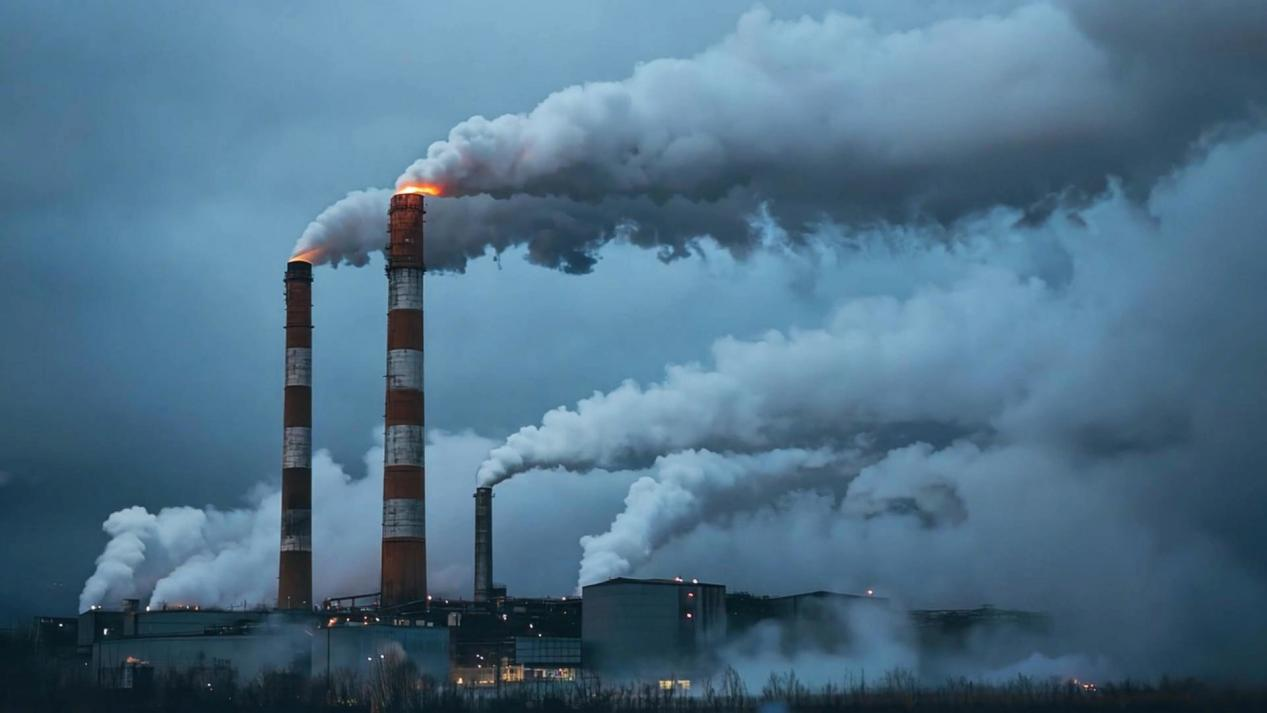
Air pollution involves the release of gases and particulates into the atmosphere. Key pollutants include nitrogen oxides, sulfur dioxide, and carbon monoxide. Beyond respiratory issues, these substances contribute to the greenhouse effect, trapping heat and driving global climate change.
Water Contamination and Marine Health
Water pollution occurs when toxic substances enter water bodies such as lakes, rivers, and oceans. This includes industrial runoff, untreated sewage, and plastic debris. The presence of “forever chemicals” like PFAS has recently become a major concern for global water security.
Soil Degradation and Chemical Seepage
The use of pesticides, herbicides, and improper waste disposal leads to soil pollution. This reduces land fertility and allows toxins to enter the food chain through bioaccumulation in crops.
| Pollution Type | Primary Source | Key Pollutant |
|---|---|---|
| Air | Transportation & Industry | PM2.5, CO2, NO2 |
| Water | Agricultural Runoff | Nitrates, Phosphates |
| Soil | Landfills & Mining | Heavy Metals, Microplastics |

The Health and Ecological Consequences of Contamination
The impact of pollution extends far beyond aesthetic damage to landscapes. It is a fundamental threat to biological life and economic stability.
Impact on Human Physiology
Long-term exposure to polluted environments is linked to chronic respiratory diseases, cardiovascular issues, and neurological impairments. Vulnerable populations, including children and the elderly, are disproportionately affected by poor air quality and contaminated water sources.
Biodiversity Loss and Ecosystem Collapse
Pollutants act as stressors that can lead to the extinction of sensitive species. For instance, ocean acidification caused by absorbed CO2 is bleaching coral reefs, which serve as the nurseries for 25% of all marine life.

Strategic Solutions and Individual Mitigation Tactics
Solving environmental pollution requires a dual approach: high-level policy changes and grassroots individual action. Transitioning to a circular economy is essential for long-term sustainability.
Expert Advice: The Three Pillars of Mitigation
- Policy Reform: Implementing strict emission standards and carbon taxes to hold corporations accountable.
- Technological Innovation: Investing in green hydrogen, carbon capture, and advanced filtration systems for industrial waste.
- Community Engagement: Supporting local initiatives for reforestation and waste management.
Pro Tips for Reducing Your Personal Footprint
Individuals can make a significant impact by adopting the “Refuse, Reduce, Reuse, Repurpose, Recycle” framework. Prioritizing products with minimal packaging and supporting renewable energy providers are high-impact steps.
Frequently Asked Questions (FAQ)
- What is the most dangerous form of pollution?
- While all forms are harmful, air pollution is often cited as the most immediate threat to human health, contributing to millions of premature deaths annually due to respiratory and heart diseases.
- Can ecosystems fully recover from pollution?
- Some ecosystems can recover if the source of pollution is removed, a process known as bioremediation. However, some damage, such as species extinction or the accumulation of heavy metals in soil, can be permanent.
- How does plastic pollution affect the food chain?
- Plastics break down into microplastics, which are ingested by small organisms. These toxins move up the food chain, eventually reaching humans through the consumption of seafood and even drinking water.
- What role does technology play in solving pollution?
- Technology is a critical tool, offering solutions like satellite monitoring of emissions, biodegradable materials to replace plastics, and advanced water purification systems.
- Is noise pollution considered a serious environmental issue?
- Yes, noise pollution disrupts the communication and migration patterns of wildlife and is linked to stress, hearing loss, and sleep disorders in humans.
Reader boundary: This guide is for general editorial information only. Diving, marine-wildlife, environmental, lighting, electrical, appliance, plant-care, and home-installation topics should be checked against current standards, manufacturer instructions, local rules, and qualified professionals before practical use.