The Architectural Grandeur and History of Boboli Gardens
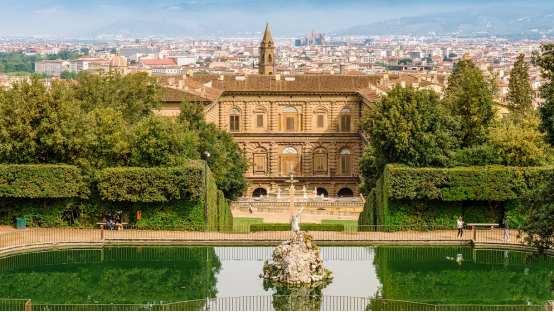
The Boboli Gardens represent the pinnacle of Italian Renaissance landscape design. Originally commissioned by the Medici family and designed by Niccolò Tribolo, this sprawling outdoor museum serves as a testament to the power and aesthetic ambition of one of history’s most influential dynasties. It is not merely a garden but an open-air theater where nature is meticulously sculpted to mirror the sophistication of the Florentine court.
Evolution from Private Estate to Public Treasure
What began as the private backyard for the Pitti Palace has transitioned into a world-renowned destination. The garden’s layout follows a strict geometric progression, moving from the grandiose amphitheater upward toward the expansive views of the Tuscan hills.
- The Amphitheater: A central focal point carved into the hillside, utilizing the natural landscape to create a semi-circular space for theatrical performances.
- The Axis of Symmetry: The main path, known as the Viottolone, provides a central spine for the garden, lined with ancient cypress trees and ornate statuary.

Top 10 Hidden Wonders Within the Grounds
While most tourists flock to the primary fountains, the true magic of the Boboli lies in its hidden corners. These secluded areas offer a respite from the crowds and provide intimate insights into the garden’s symbolic complexity.
Uncovering Secret Grottos and Sculptures
Beyond the main thoroughfares, visitors can find structures that blend architecture with organic elements. These spaces were often designed to evoke mystery and intellectual curiosity.
- The Buontalenti Grotto: A masterpiece of Mannerist architecture, filled with intricate stucco work and sculptures that appear to emerge from the rock itself.
- The Isolotto: A small island garden surrounded by a moat, featuring the Fountain of the Ocean, which stands as a masterpiece of 16th-century hydraulic engineering.

Mastering Light and Shadow in Photography
For photographers and art enthusiasts, the afternoon light in the Boboli Gardens is transformative. The interplay between the dense cypress groves and the open lawns creates a unique chiaroscuro effect that has inspired artists for centuries.
Timing Your Visit for Optimal Lighting
Understanding the solar trajectory within the garden is essential for capturing the best images. As the sun dips lower in the late afternoon, the shadows lengthen, accentuating the textures of the stone statues and the deep greens of the vegetation.
| Time of Day | Lighting Condition | Ideal Subjects |
|---|---|---|
| Mid-Morning | Bright, harsh light | Panoramic views of Florence |
| Late Afternoon | Golden, diffused light | Statuary, grottos, and tree-lined alleys |

Strategic Tips for the Modern Explorer
Navigating the vast expanse of the Boboli requires more than just a map; it requires a strategy to manage the steep gradients and the sheer volume of historical information present at every turn.
Maximizing Your Time
To fully appreciate the site, we recommend dedicating at least three to four hours. The terrain is hilly, so wearing comfortable, supportive footwear is non-negotiable. Additionally, bringing a refillable water bottle is advised, as the climb to the upper gardens can be strenuous during the hotter months.
Frequently Asked Questions (FAQ)
- Q1: What is the best time of year to visit the Boboli Gardens?
- Spring and early autumn offer the most pleasant temperatures for walking, while the light during these seasons is particularly soft, enhancing the visual appeal of the statues.
- Q2: Are there guided tours available?
- Yes, several historical tours focus on the Medici history, though many visitors prefer a self-guided approach to explore the hidden corners at their own pace.
- Q3: Is the Boboli Garden accessible for those with mobility issues?
- Due to the hilly terrain and gravel paths, some areas are difficult to navigate. It is recommended to check the official site for accessible routes.
- Q4: Can I bring food into the gardens?
- Picnicking is generally prohibited to protect the historic landscape, so it is best to plan your meals before or after your visit.