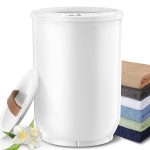
For many, the idea of a towel warmer conjures images of opulent spas or high-end hotels, suggesting an unnecessary extravagance. However, the reality of owning and utilizing a towel warmer extends far beyond mere luxury, offering tangible benefits that enhance daily comfort, improve bathroom hygiene, and even contribute to the overall aesthetic appeal of a space. This comprehensive guide aims to peel back the layers of misconception surrounding these increasingly popular bathroom fixtures, providing an in-depth look at their functionality, advantages, and practical considerations for homeowners.
Beyond Luxury: The True Benefits of Towel Warmers
While the immediate pleasure of wrapping oneself in a toasty towel is undeniable, the advantages of a towel warmer are multifaceted and often underestimated. These devices are not just about warmth; they play a crucial role in maintaining bathroom hygiene and improving the overall user experience.
Enhanced Comfort and Well-being
The primary and most obvious benefit is the unparalleled comfort. Imagine stepping out of a warm shower or bath directly into a pre-heated towel. This simple act can transform a mundane routine into a moment of pure indulgence, particularly during colder months. The warmth helps to extend the feeling of relaxation from your shower, providing a comforting embrace that can significantly improve your daily mood and reduce the shock of cold air.
- Instant Warmth: Provides immediate warmth, especially beneficial for cold mornings or evenings.
- Spa-like Experience: Elevates the everyday bathroom routine into a luxurious, spa-like ritual.
- Muscle Relaxation: The gentle heat can offer a soothing effect, aiding in muscle relaxation after a long day.
Improved Hygiene and Odor Reduction
One of the most significant, yet often overlooked, benefits of towel warmers is their contribution to hygiene. Damp towels are a breeding ground for bacteria, mildew, and unpleasant odors. A towel warmer effectively dries towels between uses, inhibiting microbial growth and keeping towels fresher for longer.
- Faster Drying: Accelerates the drying process of towels, preventing them from remaining damp for extended periods.
- Reduced Bacteria and Mold: The consistent heat and airflow significantly reduce the proliferation of bacteria, mold, and mildew that thrive in moist environments.
- Eliminates Musty Odors: By keeping towels dry, towel warmers prevent the development of musty smells, ensuring your towels always smell clean and fresh.
Energy Efficiency and Extended Towel Lifespan
Contrary to common belief, many modern towel warmers are designed with energy efficiency in mind. Furthermore, by keeping towels drier and cleaner, they can reduce the frequency of laundry cycles, saving water and energy in the long run. This also extends the lifespan of your towels by minimizing wear and tear from excessive washing and harsh drying.
- Lower Laundry Frequency: Dry towels stay fresh longer, meaning fewer washes and less energy consumption.
- Gentle on Fabrics: Unlike tumble dryers, towel warmers provide gentle heat, preserving towel fibers and color.
- Space Heating (Minor): Some towel warmers can contribute a small amount of ambient heat to a bathroom, supplementing existing heating systems.
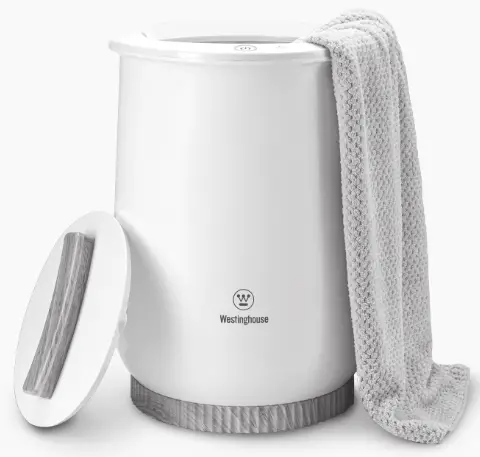
Debunking Common Towel Warmer Misconceptions
Despite their growing popularity, towel warmers are still surrounded by several myths that can deter potential users. Addressing these misconceptions is crucial to understanding the true value and practicality of these devices.
Misconception 1: Towel Warmers Are Energy Hogs
Many believe that operating a towel warmer will significantly increase their electricity bill. While older models might have consumed more power, modern towel warmers are surprisingly energy-efficient, especially when used correctly.
- Low Wattage: Most electric towel warmers consume power comparable to a few light bulbs (e.g., 50-200 watts), not a large appliance.
- Timer Functionality: Many models come with built-in timers, allowing you to program them to operate only when needed, such as for an hour before and after your shower. This prevents continuous power draw.
- Hydronic Efficiency: Hydronic (liquid-filled) towel warmers, especially those connected to a central heating system, are extremely efficient as they leverage existing heat.
- Cost Comparison: The cost of running a towel warmer for a few hours daily is often less than running a clothes dryer for a single load.
Misconception 2: They Only Keep Towels Warm, Not Dry Them
This is a common misunderstanding. While their primary function is to warm towels, a well-designed towel warmer effectively dries towels, which is key to their hygienic benefits.
- Evaporation Principle: The consistent, gentle heat from the rails promotes evaporation, ensuring towels dry thoroughly between uses.
- Air Circulation: Many models are designed to allow for good air circulation around the towels, further aiding the drying process.
- Prevents Mildew: The drying action is what prevents the damp, musty smell and the growth of mildew and bacteria. If a towel is left damp, even if warm, it can still harbor growth; the drying action is crucial.
Misconception 3: Towel Warmers Are Difficult to Install
The perceived complexity of installation can be a barrier for many. However, installation varies significantly by type, and many options are quite straightforward.
- Plug-in Models: The simplest to install, these units merely need to be mounted on a wall and plugged into a standard electrical outlet. No special wiring is required.
- Hardwired Models: While requiring connection to your home’s electrical system, this is a job for a qualified electrician and is generally a standard electrical fixture installation, not overly complex.
- Hydronic Models: These are more involved as they connect to your plumbing or central heating system, requiring a plumber. However, for new builds or major renovations, planning for one is seamless.
- DIY Potential: For plug-in models, a homeowner with basic tools and DIY skills can often complete the installation themselves.
Types of Towel Warmers: Electric vs. Hydronic
Understanding the fundamental differences between electric and hydronic towel warmers is essential for making an informed decision that suits your home’s infrastructure and your personal preferences.
Electric Towel Warmers
Electric towel warmers are the most common type and are generally easier to install. They heat up via an electric element within the rails.
Hardwired Electric Towel Warmers
These units are permanently connected to your home’s electrical system, often controlled by a wall switch or a built-in timer. They offer a clean, integrated look with no visible cords.
- Installation: Requires an electrician to hardwire into a junction box. Ideal for new construction or bathroom renovations.
- Aesthetics: Seamless appearance, as wires are concealed within the wall.
- Features: Often include programmable timers, thermostats, and sometimes even digital displays.
Plug-in Electric Towel Warmers
Also known as portable or freestanding models, these simply plug into a standard electrical outlet. They are the most flexible option.
- Installation: Very easy, just mount to the wall (if wall-mounted) or place on the floor (if freestanding) and plug in.
- Flexibility: Can be moved between bathrooms or taken with you if you relocate.
- Considerations: A visible power cord might be a minor aesthetic drawback for some.
Hydronic Towel Warmers
Hydronic towel warmers are filled with water or a special heat-transfer fluid, which is heated by a boiler or your home’s hot water system. They are often considered more energy-efficient in the long run, especially if integrated into an existing heating system.
Central Heating Hydronic Towel Warmers
These units connect directly to your home’s central heating system, operating whenever your heating is on. They are highly efficient as they use already heated water.
- Installation: Requires a plumber to connect to existing plumbing lines. Best planned during a major renovation or new build.
- Efficiency: Extremely energy-efficient as they utilize the home’s primary heating source.
- Operation: Operates in sync with your home’s heating schedule.
Electric Hydronic Towel Warmers (Self-Contained)
These are hydronic units but are heated by an internal electric element, similar to a radiator. They are self-contained and don’t require connection to the central heating system.
- Installation: Easier than central heating hydronic, often hardwired or plug-in, but still contains fluid.
- Heat Distribution: Offers a very even and consistent heat across the rails due to the fluid.
- Response Time: May take slightly longer to heat up than dry electric models but retains heat well.
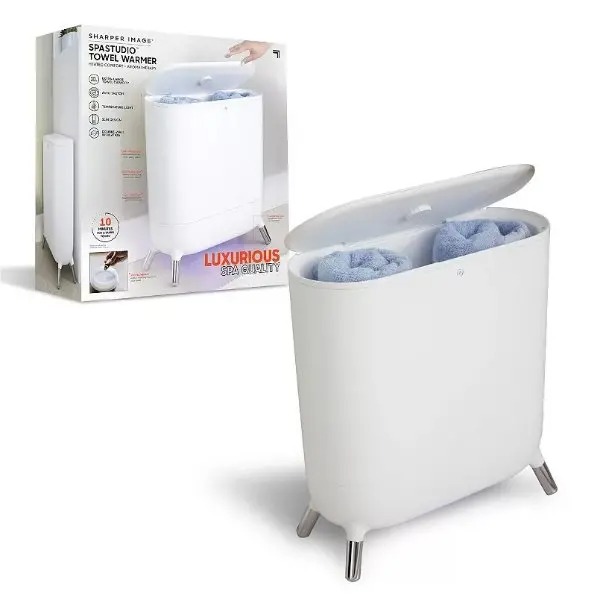
Choosing the Right Towel Warmer for Your Home
Selecting the ideal towel warmer involves considering several factors, from the size of your bathroom to your personal aesthetic preferences and budget.
Consider Your Bathroom Size and Layout
The physical dimensions of your bathroom and the available wall space will dictate the appropriate size and mounting style of your towel warmer.
- Wall-Mounted vs. Freestanding: Wall-mounted models save floor space and are ideal for smaller bathrooms. Freestanding units offer flexibility but require more floor area.
- Size and Capacity: Consider how many towels you typically need to warm simultaneously. Towel warmers come in various sizes, from compact models for one or two hand towels to large units capable of holding multiple bath sheets.
- Proximity to Outlets/Plumbing: This will influence whether a plug-in, hardwired, or hydronic model is most feasible.
Power Source and Installation Preferences
Your comfort level with DIY projects and access to professional help will guide your choice between electric and hydronic, and within electric, between plug-in and hardwired options.
- Ease of Installation: Plug-in electric models are the easiest. Hardwired electric and hydronic models require professional installation.
- Existing Infrastructure: If you’re renovating, integrating a hardwired electric or central heating hydronic unit is simpler. For a quick upgrade, plug-in is best.
- Operating Costs: While all modern options are relatively efficient, hydronic models tied to central heating are often the most cost-effective over time.
Material, Finish, and Design Aesthetics
Towel warmers are available in a wide array of materials and finishes, allowing them to seamlessly integrate with or enhance your bathroom’s decor.
- Materials: Common materials include stainless steel (polished, brushed, or matte black), chrome, bronze, and brass. Stainless steel is durable and rust-resistant.
- Finishes: Choose a finish that complements your existing bathroom fixtures (e.g., chrome faucets, brushed nickel handles).
- Style: From sleek, minimalist ladder designs to more traditional or artistic configurations, there’s a style to match every bathroom aesthetic.
Additional Features to Look For
Modern towel warmers often come with features that enhance convenience and efficiency.
- Timers: Essential for energy saving, allowing you to schedule operation.
- Thermostats: Some models offer temperature control, letting you set the desired warmth.
- Shelves/Hooks: Integrated shelves or additional hooks can provide extra space for towels or robes.
- Safety Features: Look for models with overheat protection and UL/CSA certification for safety.
Installation & Maintenance Tips for Longevity
Proper installation and routine maintenance are key to ensuring your towel warmer operates efficiently and safely for many years.
Professional Installation for Hardwired & Hydronic Units
For any hardwired electric or hydronic towel warmer, hiring a licensed electrician or plumber is not just recommended, but often mandatory for safety and warranty purposes. They will ensure:
- Correct Wiring: Ensuring the unit is properly connected to the electrical circuit, adhering to all local codes.
- Water-Tight Connections: For hydronic units, preventing leaks and ensuring efficient heat transfer.
- Optimal Placement: Advising on the best location for heat distribution and accessibility, away from direct water spray but convenient for use.
DIY Installation for Plug-in Models
If you opt for a plug-in, wall-mounted model, ensure you follow the manufacturer’s instructions meticulously. Key steps typically include:
- Locate Studs: Mount the warmer into wall studs for maximum stability, especially if it will hold multiple heavy towels.
- Leveling: Use a level to ensure the unit is mounted straight and aesthetically pleasing.
- Power Outlet Access: Ensure the power cord can reach a GFCI-protected outlet without being stretched or creating a tripping hazard.
Routine Cleaning and Care
Maintaining your towel warmer is straightforward and helps preserve its appearance and functionality.
- Regular Wiping: Use a soft, damp cloth to wipe down the rails, removing dust and soap residue. Avoid abrasive cleaners or scouring pads, which can damage the finish.
- Mild Detergents: For stubborn marks, a mild, non-abrasive household cleaner specifically designed for the material (e.g., stainless steel cleaner) can be used, followed by thorough rinsing and drying.
- Check Connections: Periodically inspect the electrical cord or plumbing connections for any signs of wear, fraying, or leaks.
Troubleshooting Common Issues
While generally reliable, occasional issues can arise:
- Not Heating: Check the power supply (plug-in), circuit breaker (hardwired), or boiler (hydronic). Ensure timers are set correctly.
- Uneven Heating: For hydronic units, air trapped in the system might cause cold spots. Bleeding the radiator can resolve this. For electric, ensure towels are not excessively thick or densely packed.
- Surface Rust: On chrome or plated finishes, this can occur if the protective layer is compromised. Address promptly with appropriate rust remover for the material, and avoid harsh chemicals in the future.
Conclusion: Embrace the Warmth and Practicality
The journey from viewing towel warmers as a frivolous luxury to recognizing them as a practical, hygienic, and comforting addition to any bathroom is a significant one. By understanding their true benefits – from enhancing personal comfort and promoting better hygiene to offering energy efficiency and aesthetic appeal – and by dispelling common myths, homeowners can make an informed decision about integrating these innovative fixtures into their daily lives. Whether you choose a simple plug-in model or a sophisticated hardwired hydronic system, a towel warmer promises to elevate your bathroom experience, turning a routine necessity into a moment of genuine pleasure and well-being. Embrace the warmth, and discover the lasting advantages that a towel warmer brings to your home.
Frequently Asked Questions (FAQ)
- Q1: How long does it take for a towel warmer to heat up towels?
- The heat-up time varies depending on the type of warmer, its wattage, and the thickness of the towels. Generally, electric towel warmers can warm towels sufficiently within 15-30 minutes. Hydronic models might take slightly longer to reach full temperature but retain heat effectively.
- Q2: Can I leave my towel warmer on all the time?
- While many modern towel warmers are designed for continuous operation and are energy efficient, it’s generally more economical and environmentally friendly to use a timer. Setting it to turn on an hour before you need warm towels and off an hour after ensures you get the benefit without unnecessary energy consumption. Always refer to the manufacturer’s guidelines for specific recommendations.
- Q3: Do towel warmers really help prevent mold and mildew in the bathroom?
- Yes, absolutely. By actively drying towels between uses, towel warmers significantly reduce the moisture content in the fabric, which is the primary condition for mold and mildew growth. This not only keeps your towels fresher but also contributes to a drier, healthier bathroom environment overall, especially in humid conditions.
- Q4: What’s the difference between a towel warmer and a heated towel rail?
- The terms “towel warmer” and “heated towel rail” are often used interchangeably and refer to the same type of product: a fixture designed to heat and dry towels. There is no functional difference between the two terms; they describe the same device.
- Q5: Are towel warmers safe to use in a bathroom with children or pets?
- Towel warmers are designed with safety in mind, but like any electrical appliance, precautions should be taken. The surface of the rails can get hot, so direct contact for extended periods should be avoided, especially by young children or pets. Consider models with lower surface temperatures or place them out of reach. Always ensure proper installation by a professional and adhere to all safety guidelines provided by the manufacturer.
Reader boundary: This guide is for general editorial information only. Diving, marine-wildlife, environmental, lighting, electrical, appliance, plant-care, and home-installation topics should be checked against current standards, manufacturer instructions, local rules, and qualified professionals before practical use.