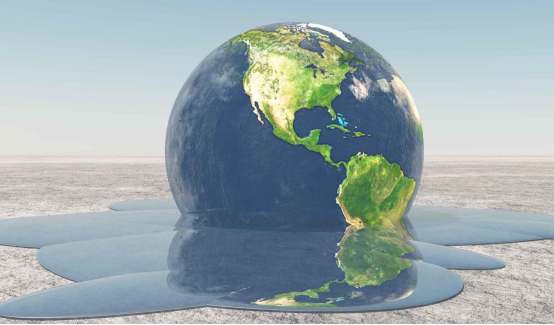
Global warming represents one of the most significant challenges to modern civilization. It refers to the long-term heating of Earth’s climate system observed since the pre-industrial period (between 1850 and 1900) due to human activities, primarily fossil fuel burning, which increases heat-trapping greenhouse gas levels in Earth’s atmosphere. While the terms “global warming” and “climate change” are often used interchangeably, global warming refers specifically to the rise in global temperatures, whereas climate change includes warming and the “side effects” of warming—like melting glaciers, heavier rainstorms, or more frequent drought.
The Science of the Greenhouse Effect and Thermal Dynamics
The fundamental driver of global warming is the greenhouse effect. This is a natural process where certain gases in the Earth’s atmosphere trap heat from the Sun, keeping the planet warm enough to sustain life. Without this natural effect, Earth’s average temperature would be approximately -18 degrees Celsius.
The Role of Trace Gases
The primary greenhouse gases (GHGs) include water vapor, carbon dioxide (CO2), methane (CH4), nitrous oxide (N2O), and ozone. Human activities have significantly increased the concentrations of these gases. For instance, carbon dioxide levels have risen by over 45% since the beginning of the Industrial Revolution.
Radiative Forcing and Energy Balance
When the concentration of GHGs increases, the atmosphere absorbs more infrared radiation than it emits back to space. This creates an energy imbalance, known as positive radiative forcing, which results in the gradual accumulation of thermal energy within the Earth’s oceans and atmosphere.

Identifying the Primary Drivers of Anthropogenic Climate Change
While natural cycles exist, the current rate of warming is unprecedented and cannot be explained by natural factors alone. The consensus among climate scientists is that human influence is the dominant cause of the observed warming since the mid-20th century.
Fossil Fuel Combustion
The burning of coal, oil, and gas for electricity, heat, and transportation is the largest source of CO2 emissions. Industrial processes, such as cement manufacturing, also contribute significantly to the carbon footprint.
Deforestation and Land Use Changes
Forests act as carbon sinks, absorbing CO2 from the atmosphere. When forests are cleared for agriculture or urban development, this stored carbon is released, and the planet’s capacity to sequester future emissions is reduced.
Agricultural Practices
Livestock farming, particularly cattle, produces high amounts of methane during digestion. Additionally, the use of synthetic fertilizers releases nitrous oxide, a potent greenhouse gas with a global warming potential nearly 300 times that of carbon dioxide.

Ecological and Socio-Economic Consequences of a Warming Planet
The impacts of global warming are not uniform; they vary by region and ecosystem. However, the cumulative effect is a disruption of the delicate balance that supports biodiversity and human society.
Cryosphere Depletion and Sea-Level Rise
As temperatures rise, glaciers and ice sheets in Greenland and Antarctica are melting at accelerated rates. This, combined with the thermal expansion of seawater, leads to rising sea levels, threatening coastal cities and low-lying islands with flooding and erosion.
Extreme Weather Events
A warmer atmosphere holds more moisture, leading to more intense precipitation events and flooding in some areas. Conversely, other regions experience prolonged and more severe heatwaves and droughts, which fuel devastating wildfires and compromise water security.
| Impact Category | Description of Effect | Potential Risk Level |
|---|---|---|
| Marine Ecosystems | Ocean acidification and coral bleaching due to CO2 absorption. | Critical |
| Human Health | Increased spread of vector-borne diseases and heat-related mortality. | High |
| Agriculture | Shifting growing seasons and reduced crop yields in tropical regions. | Moderate to High |
| Biodiversity | Habitat loss leading to species extinction and disrupted migrations. | Extreme |
Strategic Mitigation and Global Adaptation Frameworks
Addressing global warming requires a two-pronged approach: mitigation (reducing the flow of greenhouse gases) and adaptation (learning to live with, and survive, the changes already in motion).
Transition to Renewable Energy
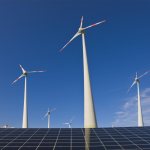
The rapid decarbonization of the energy sector is essential. This involves replacing fossil fuels with renewable sources such as solar, wind, hydroelectric, and geothermal power. Improving energy efficiency in buildings and industrial processes is equally vital.
Pro Tips for Individual Action
- Transition to a plant-rich diet to reduce methane emissions from the meat industry.
- Invest in energy-efficient appliances and LED lighting to lower household energy demand.
- Support policy changes that prioritize carbon pricing and green infrastructure.
- Reduce, reuse, and recycle to minimize the carbon cost of manufacturing and waste.
The Importance of International Cooperation
Climate change is a global issue that transcends national borders. Agreements like the Paris Accord aim to unite nations in a common goal to limit global warming to well below 2 degrees Celsius, preferably to 1.5 degrees, compared to pre-industrial levels.
Frequently Asked Questions (FAQ)
- Is global warming just a natural cycle?
- While Earth has gone through warming and cooling periods in the past, the current rate of warming is roughly ten times faster than the average rate of ice-age-recovery warming. Scientific data confirms this is driven by human activity.
- What is the difference between 1.5°C and 2°C of warming?
- That half-degree difference is critical. At 2°C, we face significantly higher risks of ice-free summers in the Arctic, the total loss of coral reefs, and more extreme weather events that could displace millions of people.
- Can we stop global warming immediately?
- Even if we stopped all emissions today, the Earth would continue to warm for several decades due to the GHGs already in the atmosphere. However, immediate action can prevent the most catastrophic future scenarios.
- How does global warming affect the economy?
- Global warming leads to economic losses through property damage from extreme weather, reduced labor productivity due to heat, and increased costs for healthcare and disaster relief. Transitioning to a green economy is seen as a major opportunity for sustainable job growth.
- What are carbon sinks?
- Carbon sinks are natural or artificial reservoirs that accumulate and store carbon-containing chemical compounds. The primary natural sinks are the oceans and terrestrial vegetation (forests and soil).
Reader boundary: This guide is for general editorial information only. Diving, marine-wildlife, environmental, lighting, electrical, appliance, plant-care, and home-installation topics should be checked against current standards, manufacturer instructions, local rules, and qualified professionals before practical use.