
The rose, hailed as the “Queen of Flowers,” is a must-have beauty in every garden. Its vibrant colors and intoxicating fragrance easily capture the hearts of every flower enthusiast. However, have you ever felt impatient for your roses to bloom? Always hoping for a quick burst of color, yet overlooking a fundamental truth: the growth of a rose is not simply about waiting for flowers to arrive, but requires steady development from the roots.
Have you ever anxiously awaited the blooming of your rose after planting it? The process of a rose flowering often evokes both anticipation and anxiety. Is it enough to simply water and fertilize it for it to bloom immediately? Often, we are so eager to see the vibrant blossoms that we neglect the most fundamental and crucial aspect: root development. If a rose’s root system is unhealthy, even if it blooms, the flowers may quickly wither and lose their vitality.
Therefore, don’t rush to make it bloom; focus on nurturing its roots first. This is not only the secret to rose care but also the foundation for its robust growth. Today, let’s talk about how to start by planting and gradually cultivate the root system of your rose, allowing it to grow healthily and steadily, laying a solid foundation for future blooms.
I. Understanding the Growth Habits of Roses: The Path from Roots to Flower
When growing roses, the root system is of paramount importance. You might ask, “Since the root system is so important, how can I ensure its health?” Unlike many plants, roses don’t initially focus on blooming; they need a strong root system to support them and showcase their full vitality when they flower. Healthy roots allow roses to continuously absorb water and nutrients, ultimately producing larger and more beautiful blooms.
1.1 The root system of roses: the cornerstone of life
The root system of a rose is a vast, multi-layered, and multi-directional system. Its roots have two important functions: first, to absorb water and nutrients; and second, to provide stable support for the plant. A healthy rose root system should be slender, robust, and strong, able to penetrate deep into the soil, take deep root, and absorb sufficient water and nutrients.
If the root system is unhealthy, the plant’s growth will be severely restricted. Have you ever noticed that your rose’s leaves are yellowing and its flowers are few and small in the early stages of planting? This is actually closely related to the health of its root system. When the root system is damaged or not growing well, the plant cannot obtain enough nutrients from the soil, and its growth is naturally inhibited.
1.2 Strong Roots Promote Flowering: Healthy Roots are a Prerequisite for Flowering
Many people may think that the goal of rose care is to see flowers bloom as soon as possible, but in reality, pursuing flowering too early can put excessive stress on the plant. Premature fertilization, overwatering, and even frequent pruning of flower buds can all negatively impact the health and growth of the rose’s root system. Therefore, cultivating a strong root system is paramount in rose care.
II. Root Management for Slow-Growing Roses: A Balance of Patience and Care
To successfully cultivate roses, especially in the early stages, ensuring a healthy and stable root system is crucial. You might ask, “Since the root system is so important, how can I provide it with the best growing environment?” The following points may offer some insights.
2.1 Choosing the right soil: a warm bed for roots
Roses prefer well-drained, loose, and aerated soil. This type of soil promotes root growth and prevents waterlogging that can lead to root rot. When choosing suitable soil, consider its looseness and drainage. You can use peat moss or humus-rich soil as a base, and add some sand or perlite to increase its permeability.
If the soil is too compacted, water and nutrients cannot be effectively transferred to the roots, and the roots will also have difficulty breathing, resulting in slow plant growth. Therefore, choosing the right soil to provide a healthy growing environment for the rose’s roots is particularly important.
2.2 The Art of Watering: Water only when the soil is dry to the touch, and avoid waterlogging.
Excessive water is like a deadly poison to the roots of roses. You might ask, “Since roses don’t like too much water, how should I water them?” The answer is: water only when the soil surface is dry, rather than waiting for the soil to dry out completely each time.
Especially during the rose’s growing season, its root system is growing rapidly and needs sufficient water to support its growth. However, remember not to let the roots soak in water for extended periods. Waterlogging can lead to root hypoxia and even rot. Stop watering once the water has penetrated to the roots and the water level has stopped rising.
2.3 Regular soil replacement: Providing better space for the root system
As roses grow, their root systems expand continuously, so their “home” also needs to expand. Have you noticed that as roses grow larger, the plants begin to appear less healthy, or even stop growing? This could be because the nutrients in the soil have been depleted, or the roots have completely filled the space in the pot, leaving little room for further growth.
Therefore, regularly changing the soil or providing it with a larger planting space can effectively promote healthy root development. Generally, rose roots need a larger, more aerated space to grow, which not only allows them to obtain more nutrients and water but also enables the plant’s roots to grow deeper and stronger.
2.4 Note on fertilization: Moderate amount is good; excessive amount is harmful.
Fertilizing is a crucial part of rose care, but more is not always better. You may have increased the amount of fertilizer when you noticed your roses growing slowly. However, excessive fertilizer not only fails to accelerate plant growth but can also inhibit root development.
The health of a rose’s root system is closely related to the nutrients the plant receives. Appropriate fertilization provides sufficient nutrients, helping the rose accumulate energy during its growth. However, excessive fertilization can damage the roots and even cause root burn. Therefore, fertilization should be based on the rose’s actual condition, applying only as needed, and avoiding over-fertilization.
III. Slow-Growing Roses: Patiently Waiting to Reap Beauty
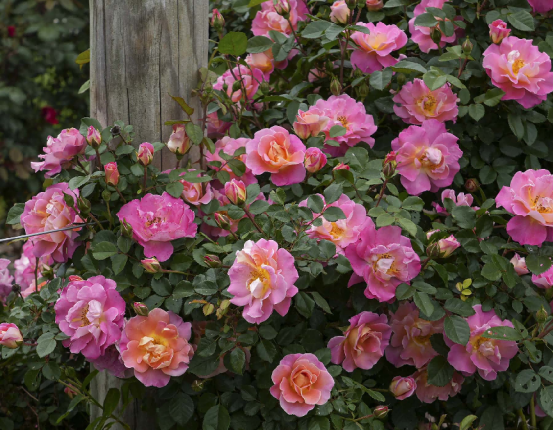
Growing roses slowly is not something that can be achieved overnight, but rather a process of patient waiting. Every fertilization, every watering, and every change of soil is to make its root system healthier and stronger. Every act of patient waiting allows it enough time and space to accumulate energy, so that it can finally bloom with its most beautiful flowers during its flowering season.
Have you ever experienced this: given time, your rose actually grows better? In fact, often our eagerness to produce quick results only puts excessive stress on plants. By nurturing roses slowly and respecting their natural growth rhythm, you’ll ultimately reap longer-lasting and more beautiful blooms.
Conclusion: The beauty of roses begins from their roots.
The secret to slow-growing roses is not to rush the blooming process, but to start from the roots. Steady progress and patient cultivation are the most important principles of rose care. From selecting soil and watering to fertilizing and repotting, every step requires our careful attention. As long as you give your roses enough patience, they will surely bloom with the beautiful flowers you expect in the near future. And this beauty begins with a strong root system, accumulating and growing little by little.