The ocean’s depths hold creatures of immense intelligence and profound social complexity. Among them, cetaceans—the group encompassing whales, dolphins, and porpoises—stand out for their sophisticated behaviors, epic journeys, and the deep sense of wonder they inspire in humanity. These marine giants navigate a world of sound, undertaking vast migrations that span the globe and forming bonds that can last a lifetime. This guide provides a comprehensive exploration of their world, from the nuances of their complex communication to the breathtaking reality of responsible, in-water encounters. We will journey to the key oceanic highways they travel and uncover the best practices for observing these magnificent animals in their natural habitat, ensuring both our safety and their preservation.
The Complex World of Cetacean Communication
Far from being silent giants, whales and dolphins live in a world defined by sound. Cetacean communication is a rich and multi-layered system that scientists are only just beginning to fully comprehend. It involves a vast array of vocalizations and physical gestures used for navigation, hunting, mating, and maintaining intricate social structures. Understanding this language offers a profound window into their cognitive abilities and emotional lives.
Vocalizations: Clicks, Whistles, and Songs
The primary mode of communication for cetaceans is acoustic. Their vocalizations can be broadly categorized, each serving distinct purposes. The effectiveness of these sounds is enhanced by the physical properties of water, which allows sound to travel much farther and faster than in air.
- Echolocation Clicks: Primarily used by toothed whales (odontocetes) like dolphins and sperm whales, these are short, high-frequency broadband pulses of sound. The whale emits a click and then listens for the echo that bounces off objects. This process, known as biosonar, allows them to “see” their environment, locate prey, and navigate in complete darkness with astonishing precision.
- Whistles and Burst Pulses: These tonal sounds are the cornerstone of social interaction, especially for dolphins. Many dolphin species develop a unique “signature whistle” that functions much like a name, allowing individuals to identify and call to one another. Burst pulses are more complex, often used to convey excitement, aggression, or other emotional states.
- Low-Frequency Sounds: Baleen whales (mysticetes), such as blue whales and fin whales, are masters of low-frequency sound. These powerful rumbles can travel for hundreds, even thousands, of miles across ocean basins, enabling them to communicate over vast distances.
The Intricacies of Humpback Whale Songs
Perhaps the most famous example of cetacean communication is the song of the humpback whale. These are not random noises but complex, structured musical compositions. Sung exclusively by males, typically in breeding grounds, these songs are composed of repeating themes and phrases that evolve over time. Remarkably, all males in a single population will sing the same song, but this song changes from year to year. This phenomenon is a clear example of cultural transmission, where a learned behavior is passed horizontally through a population—a trait once thought to be exclusively human.
Non-Vocal Communication: Body Language and Social Cues
Communication is not limited to sound. Cetaceans employ a wide range of physical behaviors to convey messages. These actions are often dramatic and easily observed by humans.
- Breaching and Slapping: A whale launching its massive body out of the water (breaching) or slapping its tail (lobtailing) or pectoral fins on the surface creates a huge sound that can be heard for miles. This may serve as a warning, a display of fitness, or a way to dislodge parasites.
- Spyhopping: When a whale raises its head vertically out of the water, it is believed to be getting a better view of its surroundings above the surface, such as a nearby boat or another whale.
- Social Grouping: The very structure of their pods, the proximity of individuals, and coordinated movements are all forms of communication, signaling kinship, dominance hierarchies, and cooperative strategies for hunting or defense.

Understanding Whale Migration: Epic Ocean Journeys
Many whale species undertake some of the longest migrations of any mammal on Earth, traveling thousands of miles between feeding and breeding grounds. These journeys are driven by the fundamental needs of survival and reproduction, following ancient routes passed down through generations. These migrations are feats of incredible endurance and navigation, showcasing the animals’ deep connection to the ocean’s rhythms.
Why Whales Migrate: Breeding, Feeding, and Survival
The primary driver for whale migration is the seasonal availability of food and the need for safe breeding areas. Whales typically follow a cyclical pattern:
- Feeding in Cold Waters: They spend the summer months in high-latitude polar or temperate waters. These regions are incredibly productive, blooming with massive quantities of krill, plankton, and small fish that allow the whales to build up thick layers of blubber.
- Breeding in Warm Waters: In the winter, they travel to warmer, tropical or subtropical waters. These calmer, clearer waters provide a safe environment for giving birth and nursing newborn calves, which lack the thick blubber needed to survive in the frigid feeding grounds. The trade-off is that these warm waters have very little food, so the whales must survive on their stored energy reserves.
Case Study: The Gray Whale’s Incredible Journey to Baja
The gray whale holds the record for one of the longest mammal migrations, traveling up to 12,000 miles round-trip. They spend their summers feeding in the nutrient-rich waters of the Arctic (the Bering, Chukchi, and Beaufort seas) before heading south along the coast of North America. Their destination is the warm, sheltered lagoons of Baja California, Mexico, particularly San Ignacio Lagoon. Here, they mate and give birth. This location is famous for the “friendly” behavior of the whales, where mothers will often approach small boats, allowing their calves to interact with humans in a truly unique and intimate wildlife encounter.
Case Study: The Dampier Strait as a Cetacean Superhighway
Not all migrations are polar. The Dampier Strait in Raja Ampat, Indonesia, serves as a critical migratory corridor for a diverse array of cetacean species. Located in the heart of the Coral Triangle, this passage connects the Indian and Pacific Oceans. Its powerful currents create nutrient-rich upwellings, supporting a vibrant ecosystem. At least 16 species of whales and dolphins have been recorded here, including Bryde’s whales, sperm whales, orcas, and massive pods of dolphins. For these species, the strait is not just a passage but a vital feeding ground and part of a larger, complex pattern of movement within the tropical seas.

The Ultimate Guide to Ethical Whale Watching and Swimming
The opportunity to see a whale in its natural environment is a profound experience that can foster a deep appreciation for marine conservation. However, it is crucial that these encounters are conducted responsibly to avoid stressing or harming the animals. Ethical whale tourism prioritizes the well-being of the whales above all else, following strict guidelines to ensure minimal impact.
Principles of Responsible Whale Encounters
Responsible tourism is built on a foundation of respect for the animals as wild creatures in their natural habitat. Key principles include maintaining a safe distance, avoiding sudden movements or noises, and never pursuing, encircling, or separating individuals, especially mothers and calves. The core idea is to allow the whales to control the interaction. A truly magical encounter happens when a curious whale chooses to approach the vessel or swimmers on its own terms.
- Let Whales Be in Control: The encounter should always be on the whale’s terms. If an animal shows signs of distress (such as sudden changes in direction or rapid breathing), the encounter must be ended immediately.
- Respect Approach Distances: Regulations vary by location, but a general rule is to keep boats at least 100-200 meters away and approach slowly from the side, never from the front or rear.
- Limit Interaction Time: To minimize disturbance, time spent with any single group of whales should be limited.
- No Touching: Even if a whale comes close, touching the animal is strictly forbidden. This is for the safety of both the human and the whale, as it can transfer diseases and alter natural behavior.
Choosing a Certified and Ethical Tour Operator
The single most important decision you can make is selecting a reputable tour operator. Look for companies that are licensed by local authorities and have a strong commitment to conservation. A good operator will have experienced, knowledgeable guides who can interpret whale behavior and enforce safety rules. They often contribute to local research and conservation efforts, ensuring that tourism directly benefits the animals and their environment.
What to Expect: The In-Water Experience
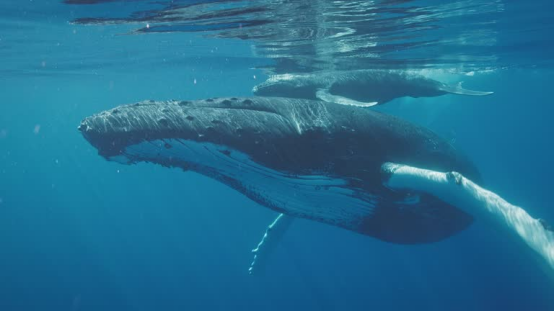
Swimming with whales is an even more intimate experience that requires stricter protocols. It is only legal and regulated in a few places worldwide. The process typically involves a spotter locating a calm and receptive group of whales. Swimmers, accompanied by a certified guide, then quietly slip into the water from a distance, making no sudden splashes. The goal is to be a passive observer, floating gently and allowing the whales’ natural curiosity to dictate the encounter. The sight of a 40-ton humpback and her calf gliding effortlessly through the water just meters away is an unforgettable, life-changing moment.

Premier Destinations for Unforgettable Whale Encounters
While whales can be found in every ocean, certain locations offer exceptionally reliable and well-regulated opportunities for close encounters. These hotspots are often crucial parts of the whales’ life cycle, serving as breeding grounds or migratory stopovers where their behavior is predictable and accessible.
Tonga: Swimming with Humpback Mothers and Calves
The Kingdom of Tonga is one of the world’s premier destinations for swimming with humpback whales. From July to October, the warm, sheltered waters of the Vava’u island group become a nursery for the Southern Hemisphere humpback population. They arrive here after a long migration from Antarctica to give birth and nurse their young. Tonga has a highly regulated whale-swimming industry, with a limited number of licensed operators who must adhere to strict guidelines, such as allowing only four swimmers plus a guide in the water at any one time. The experience of floating near a mother teaching her calf to breach or a male escort singing his haunting song is nothing short of magical.
Baja California, Mexico: The Friendly Gray Whales of San Ignacio
The lagoons of Baja California offer a completely different but equally profound whale encounter. From January to April, these waters are filled with gray whales at the end of their southbound migration. In places like San Ignacio Lagoon, a unique phenomenon occurs where the whales actively seek out human interaction. Mothers have been observed nudging their calves towards the small tour boats (pangas), allowing visitors to reach out and touch them. This “friendly” behavior is a mystery, but it provides an incredibly intimate and emotional connection with these gentle giants. The industry is managed by the local community, ensuring sustainable practices that protect this precious sanctuary.
Dampier Strait, Raja Ampat: A Biodiversity Hotspot
For those interested in the sheer diversity of cetaceans, the Dampier Strait in Indonesia is unparalleled. While not a swimming destination, its boat-based tours offer the chance to see a huge variety of species in a single trip. The nutrient-rich waters attract everything from resident Bryde’s whales to migratory sperm whales, orcas, pilot whales, and enormous pods of spinner and Risso’s dolphins. It is a living laboratory of marine biodiversity and a testament to the importance of protecting critical oceanic corridors from threats like shipping traffic and pollution.
Frequently Asked Questions (FAQ)
- Is it safe to swim with whales?
- When done with a licensed, professional operator in a regulated location like Tonga, it is considered very safe. Guides are experts in whale behavior and enforce strict rules, such as maintaining a safe distance and never approaching from directly in front or behind. The whales are generally aware and tolerant of human presence, and interactions are always on their terms.
- What is the best time of year for whale encounters?
- This depends entirely on the location and species. For humpback whales in Tonga, the season runs from July to October. For gray whales in Baja California, Mexico, the peak season is January through April. It is essential to research your specific destination to align your travel with the whales’ migration schedule.
- How do scientists study whale communication?
- Scientists use a variety of advanced tools to study cetacean communication. Hydrophones (underwater microphones) are used to record their complex vocalizations. These recordings are then analyzed with software to identify patterns, frequencies, and individual calls. Drones and non-invasive tracking tags with cameras (like DTAGs) also provide invaluable data on their body language and social interactions in real-time.
- What are the biggest threats to whale populations today?
- Despite the ban on commercial whaling, whales face numerous modern threats. These include ship strikes in busy shipping lanes, entanglement in fishing gear, ocean noise pollution which interferes with their communication and navigation, and climate change which impacts their food sources and migration patterns. Conservation efforts are focused on mitigating these threats through marine protected areas, safer shipping routes, and sustainable fishing practices.
Reader boundary: This guide is for general editorial information only. Diving, marine-wildlife, environmental, lighting, electrical, appliance, plant-care, and home-installation topics should be checked against current standards, manufacturer instructions, local rules, and qualified professionals before practical use.