The modern bathroom has evolved from a purely functional space into a personal sanctuary for relaxation and wellness. Central to this transformation is the towel warmer—a device once reserved for high-end hotels and luxury spas that has now become an accessible essential for homeowners. Beyond the simple pleasure of a warm towel after a shower, these devices play a critical role in bathroom hygiene by reducing moisture, preventing the growth of mold and mildew, and extending the life of your linens. This guide provides an exhaustive analysis of the various technologies, materials, and installation methods available today, ensuring you select a model that meets both your aesthetic and functional requirements.
The Fundamental Choice: Towel Warmer vs. Heated Towel Rack
Understanding the distinction between a “towel warmer” and a “heated towel rack” is the first step in the selection process. While the terms are often used interchangeably, they refer to two distinct designs with different performance characteristics and use cases.
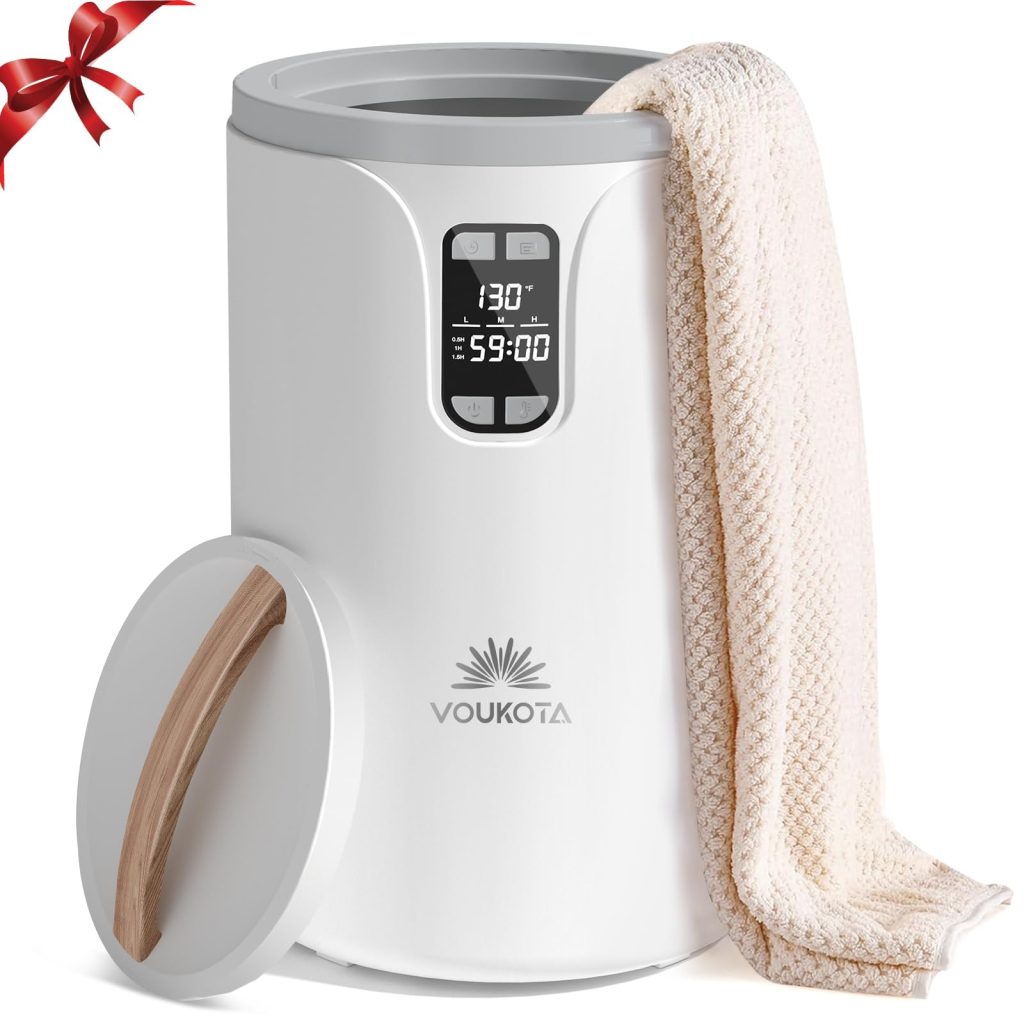
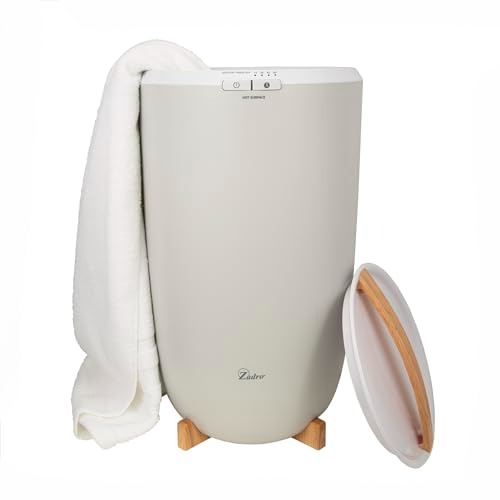
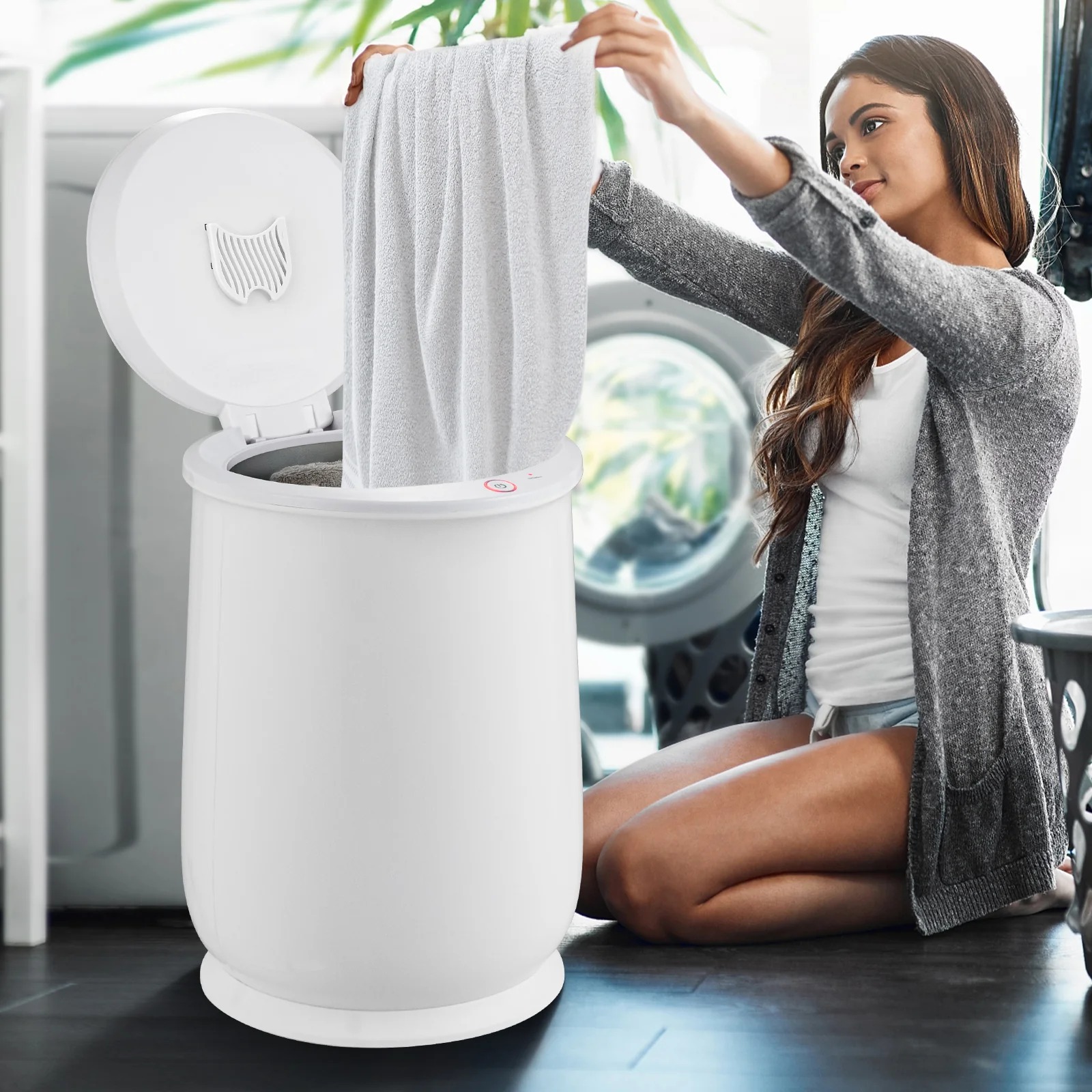
Bucket-Style Towel Warmers
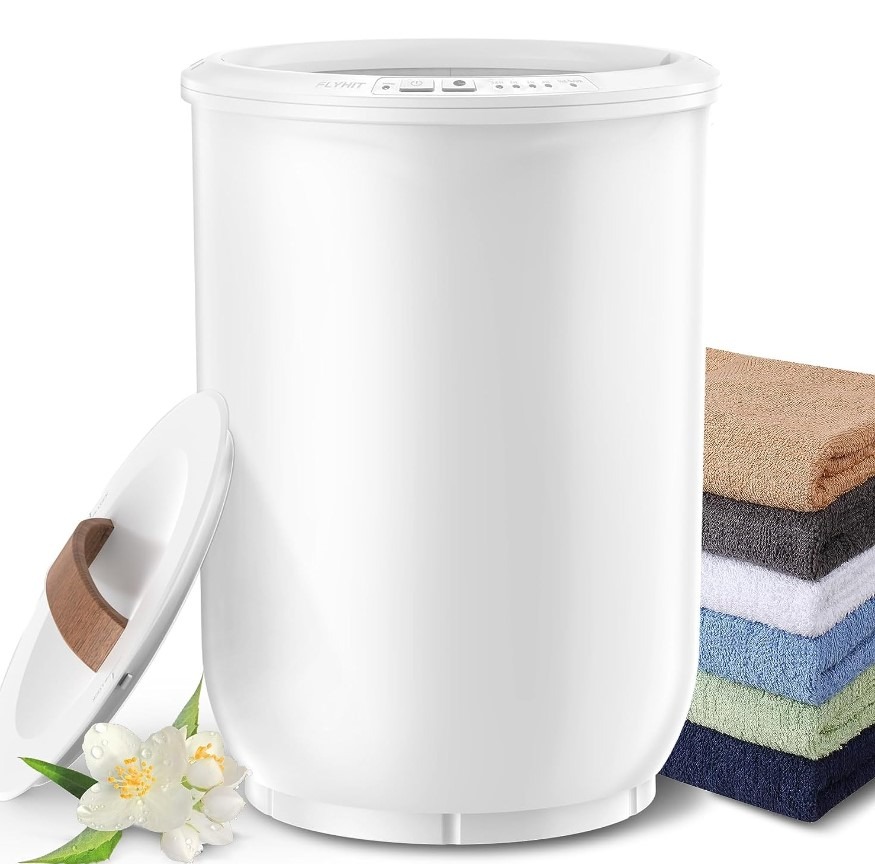
Bucket-style warmers are essentially insulated containers with internal heating elements. They are designed to provide rapid, uniform heating for dry towels. These units are ideal for users who prioritize the “hot towel” experience immediately following a bath. Because they are enclosed, they trap heat efficiently, reaching peak temperatures quickly. However, they are less effective at drying damp towels and occupy more floor space than wall-mounted versions.
Rail-Style Heated Towel Racks
Heated towel racks consist of a series of bars (rails) that are heated internally. Their primary function is two-fold: warming towels and drying them. By hanging a damp towel over the rails, the heat facilitates evaporation, which prevents the “musty” smell associated with slow-drying fabrics. These units are typically wall-mounted, making them excellent for smaller bathrooms where floor space is at a premium. They also serve as a secondary heat source for the bathroom itself, helping to take the chill out of the air.
Heating Technology Deep Dive: Carbon Fiber vs. Alloy Heating Wire
The efficiency and lifespan of a towel warmer are largely determined by its internal heating mechanism. Modern units primarily use one of two technologies: alloy heating wire or carbon fiber heating elements.
Alloy Heating Wire (Traditional Fluid-Free)
Traditional electric towel racks often use alloy wires. These are reliable and cost-effective. In many designs, these wires heat a thermal fluid (like oil or water) inside the rails, which then distributes the heat. While effective, fluid-filled units can be heavy and may eventually suffer from leaks if the seals degrade. Dry alloy wire systems avoid the leak risk but may have slightly less even heat distribution compared to their fluid-filled counterparts.
Carbon Fiber Heating Technology
Carbon fiber is the cutting-edge standard for premium towel warmers. Unlike metal wires, carbon fiber filaments are incredibly durable and resistant to fatigue. Key advantages include:
- Rapid Heating: Carbon fiber reaches the target temperature significantly faster than alloy wires.
- Energy Efficiency: It boasts a higher electrothermal conversion rate, meaning more electricity is turned into heat rather than being lost to resistance.
- Longevity: Carbon fiber does not oxidize or corrode, leading to a much longer operational lifespan.
- Precise Control: These systems often allow for more accurate temperature management via digital thermostats.
Deciding on Installation: Hardwired, Plug-in, or Freestanding
How your towel warmer integrates into your bathroom’s electrical system and physical layout is a crucial logistical consideration. There are three primary installation categories, each with its own set of pros and cons.
Hardwired Installation
Hardwired units are connected directly into the home’s electrical circuit. This is the “gold standard” for a clean, professional aesthetic because there are no visible cords or plugs. Pros: Seamless integration, no occupied outlets, often includes integrated wall switches or timers. Cons: Requires professional installation by a licensed electrician; difficult to move once installed.
Plug-in Installation
Plug-in models are the most user-friendly and popular for retrofitting existing bathrooms. They simply mount to the wall and plug into a standard GfCI outlet. Pros: Easy DIY installation, can be moved or replaced easily, lower upfront cost. Cons: Visible power cord can detract from the bathroom’s aesthetics; requires an outlet within reach of the cord.
Freestanding Models
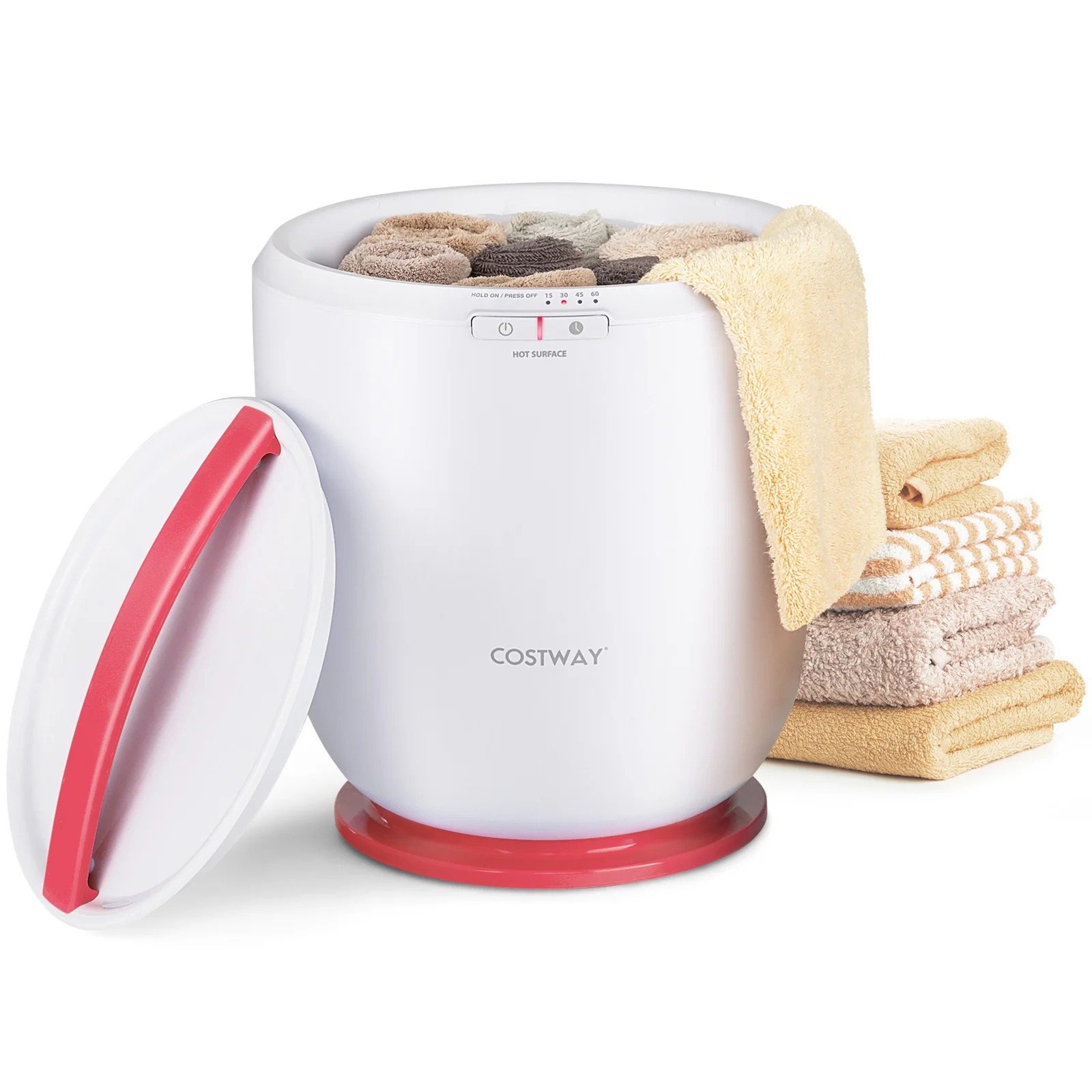
Freestanding towel warmers are portable units supported by a base or feet. They can be moved between rooms or stored away during summer months. Pros: Ultimate flexibility, no wall drilling required, perfect for renters. Cons: Can be less stable than wall-mounted units; occupies floor space; cord management is necessary.
Material Excellence and Structural Integrity in Bathroom Hardware
Because towel warmers operate in high-humidity environments, the quality of materials used in their construction is paramount to prevent rust and ensure safety.
| Material Type | Corrosion Resistance | Heat Conductivity | Durability |
|---|---|---|---|
| 304 Stainless Steel | Excellent | Moderate | High |
| Low Carbon Steel | Moderate (requires coating) | High | Moderate |
| Aluminum Alloy | Good | Very High | Moderate |
| Brass/Copper | High | Excellent | High (Premium Cost) |
304 Stainless Steel is the most common choice for high-quality racks. It offers an ideal balance of strength and resistance to pitting and rusting. Aluminum is favored for its lightweight nature and superior heat conductivity, though it can be more prone to denting. When choosing a finish, consider PVD (Physical Vapor Deposition) coatings or high-quality powder coating, which provide an extra layer of protection against the damp bathroom atmosphere.
Safety Standards and Essential Certifications for Wet Environments
Safety should never be compromised when mixing electricity and water. When shopping for a towel warmer, look for specific certifications and safety features that guarantee the device has been tested for bathroom use.
IP Ratings (Ingress Protection)
The IP rating indicates how well the device is protected against solids and liquids. For a towel warmer, an IP44 rating is generally the minimum standard. This means the unit is protected against solid objects larger than 1mm and splashes of water from any direction. Higher ratings like IP55 offer even greater protection against water jets.
UL and ETL Certifications
In North America, look for the UL (Underwriters Laboratories) or ETL (Intertek) marks. these signify that the product meets rigorous electrical safety standards. In Europe, the CE mark and GS (Geprüfte Sicherheit) certifications serve similar purposes. Units without these certifications may pose a fire hazard or risk of electric shock.
Overheat Protection and Auto-Shutoff
High-end models include internal thermal sensors that automatically cut power if the unit exceeds a safe temperature. Additionally, integrated timers are essential for energy conservation and safety, allowing you to set the unit to run for 2, 4, or 6 hours before automatically turning off.
Smart Features: Is a Connected Towel Rack Worth the Investment?
The “Internet of Things” (IoT) has reached the bathroom, introducing smart towel racks that offer unprecedented levels of control. But are these features necessary or just tech toys?
App and Voice Control
Smart towel warmers can be connected to home Wi-Fi networks, allowing users to control them via smartphone apps (like Tuya or Smart Life) or voice assistants like Amazon Alexa and Google Assistant. This allows you to pre-heat your towels from bed or ensure the rack is off after you’ve left the house.
Intelligent Scheduling
Rather than a simple countdown timer, smart units allow for complex weekly schedules. You can program the rack to turn on 30 minutes before your morning alarm on weekdays but remain off during the day to save electricity. Some advanced models even feature energy monitoring, showing you exactly how much power the device is consuming in real-time.
Portable Solutions and Specialized Warming Options
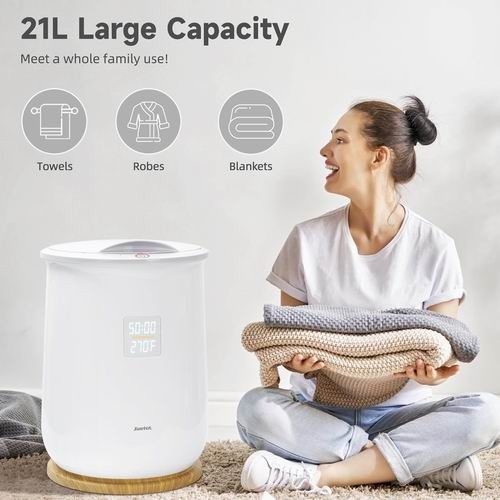
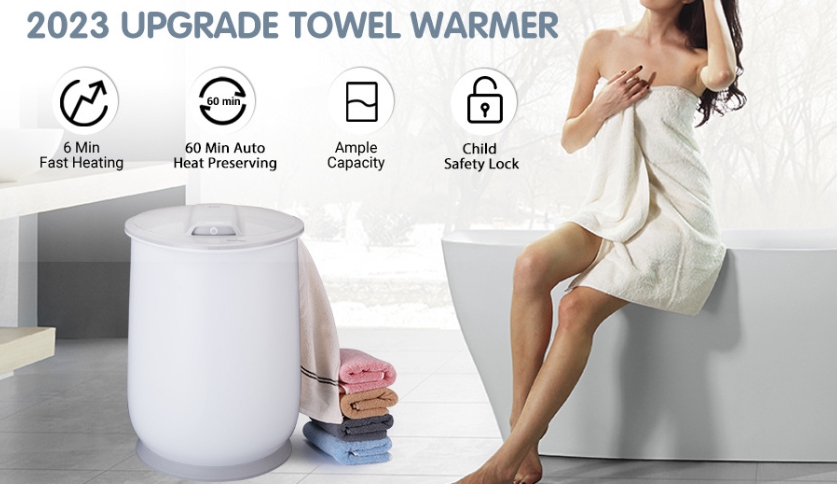
For those who travel or live in temporary housing, portable towel warmers offer a unique solution. These are typically bucket-style units designed for a single large towel or a couple of small ones. They are lightweight and often come with handles for easy transport.
Beyond towels, these devices can be used for warming robes, blankets, or even delicates that require gentle drying. When selecting a portable unit, prioritize those with a wide base to prevent tipping and a long power cord to reach outlets in various hotel or bathroom configurations.
Frequently Asked Questions (FAQ)
- Q1: How much electricity does a towel warmer actually use?
- Most towel warmers consume between 60 and 150 watts, which is roughly equivalent to a couple of old-fashioned light bulbs. Using a timer or a smart schedule significantly reduces the overall impact on your monthly utility bill.
- Q2: Can I leave my towel warmer on 24/7?
- While many modern units are designed for continuous use, it is generally recommended to use a timer. Leaving it on 24/7 can lead to unnecessary energy waste and may shorten the lifespan of the heating element over several years.
- Q3: Is it safe to dry wet clothes on a towel warmer?
- Yes, provided the clothes are made of heat-safe materials like cotton or linen. Avoid placing delicate synthetics or items with plastic components directly on the bars unless the manufacturer specifically states it is safe.
- Q4: How do I clean and maintain my heated towel rack?
- Simply wipe the rails with a soft, damp cloth and a mild detergent. Avoid abrasive cleaners or scouring pads, as these can scratch the finish (especially on polished or matte black units). Ensure the unit is turned off and cool before cleaning.
- Q5: Can a towel warmer heat my entire bathroom?
- A towel warmer is generally intended as a secondary heat source. While it can take the “chill” off a small, well-insulated bathroom, it is not powerful enough to replace a primary radiator or central heating system in larger spaces.
Reader boundary: This guide is for general editorial information only. Diving, marine-wildlife, environmental, lighting, electrical, appliance, plant-care, and home-installation topics should be checked against current standards, manufacturer instructions, local rules, and qualified professionals before practical use.