
Understanding Plastic Pellets: What Are Nurdles?
Plastic pellets, commonly known as nurdles, are the foundational raw material for nearly all plastic products manufactured globally. These tiny, lentil-sized granules, typically 2-5 millimeters in diameter, represent plastic in its purest, pre-production form. Their innocuous appearance belies their profound environmental threat, as they are essentially microplastics in waiting, poised to become a significant pollutant if mishandled. Understanding their nature, purpose, and the historical context of their proliferation is crucial to grasping the scope of the environmental tragedy they represent.
The Definition and Purpose of Plastic Pellets
At their core, plastic pellets are uniform pieces of plastic resin, produced through the polymerization of various monomers. They are transported in bulk to manufacturing facilities where they are melted down and molded into a vast array of plastic items, from bottles and containers to car parts and medical devices. The efficiency of transporting plastic in this granular form is undeniable, as it allows for standardized production and ease of handling in industrial settings. However, this very efficiency, coupled with lax handling practices, is precisely what contributes to their widespread leakage into the environment.
Historical Context: The Rise of Plastic and Nurdle Pollution
The widespread adoption of plastics began in the mid-20th century, revolutionizing industries and daily life with their versatility, durability, and cost-effectiveness. As plastic production scaled rapidly, so did the volume of pellets manufactured and transported. Early environmental awareness regarding plastic pollution primarily focused on larger items like bottles and bags. However, it gradually became apparent that the raw material itself was a significant, often overlooked, source of pollution. Incidents of massive pellet spills from cargo ships and chronic leakage from manufacturing sites brought the “nurdle problem” into sharper focus, highlighting a systemic issue that predates the final product’s use and disposal.
Characteristics of Plastic Pellets
- Size: Typically 2-5mm in diameter, resembling lentils or small beads.
- Composition: Made from various plastic polymers like polyethylene (PE), polypropylene (PP), polystyrene (PS), polyvinyl chloride (PVC), and others.
- Appearance: Can be clear, white, or colored, depending on the type of plastic and intended final product.
- Buoyancy: Many types are buoyant, allowing them to float and travel vast distances across oceans.
- Durability: Designed to be highly resistant to degradation, meaning they persist in the environment for hundreds to thousands of years.
- Chemical Absorption: Possess a high surface area to volume ratio, enabling them to absorb persistent organic pollutants (POPs) from seawater.

The Journey of Nurdles: How They Enter Our Environment
The journey of plastic pellets from production facilities to the natural environment is multifaceted, involving a chain of events from accidental spills to systemic negligence. While often invisible to the general public, these tiny plastic precursors escape into ecosystems through various points in the supply chain, transforming from industrial raw material into persistent pollutants. Understanding these pathways is critical for developing effective prevention strategies.
Manufacturing and Transport Spills
The primary entry points for nurdles into the environment are manufacturing sites, processing plants, and during transportation. Pellets can spill during packaging, loading, and unloading operations at factories. Furthermore, their small size makes them prone to leakage from damaged containers or faulty equipment during rail, road, and sea transport. Significant events, such as container ship disasters, have resulted in the release of billions of pellets into the ocean, creating localized ecological crises that then spread globally with ocean currents. These spills are not isolated incidents but a recurring problem due to insufficient containment protocols and enforcement.
Recycling and Waste Management Loopholes
Even within recycling facilities, nurdles can escape. While recycling aims to reduce plastic waste, the handling of raw plastic materials, including pellets, within these systems is not always airtight. Pellets can be lost during sorting, washing, or transportation of recycled plastics. Moreover, inadequate waste management infrastructure in many regions means that discarded plastic products, which may still contain or shed micro-pellets, contribute to the overall environmental burden. The “loophole” here lies in the often-overlooked fact that preventing pollution must extend to every stage of a product’s lifecycle, not just its end-of-life disposal.
Environmental Pathways: Wind, Water, and Tides
Once released, whether from a factory floor or a ship at sea, nurdles are remarkably adept at dispersing. Their lightweight nature allows them to be carried by wind over considerable distances, settling in drains, rivers, and eventually, the ocean. Water bodies, particularly rivers and storm drains, serve as direct conduits, flushing pellets from urban and industrial areas into coastal zones and marine environments. Once in the ocean, ocean currents, tides, and wave action distribute them globally, leading to their presence on remote beaches, in deep-sea sediments, and throughout the water column, making cleanup efforts incredibly challenging.
- In-depth Analysis: Microplastics
- The term “microplastics” refers to plastic particles smaller than 5 millimeters. Nurdles, by definition, fall into this category. However, they are often distinguished as “primary microplastics” because they are manufactured at this size, unlike “secondary microplastics” which result from the fragmentation of larger plastic debris. The danger of microplastics, including nurdles, lies in their ability to persist, accumulate in food chains, absorb toxins, and physically harm organisms. Their small size allows them to bypass conventional filtration systems and permeate virtually every ecosystem on Earth, from the deepest oceans to the highest mountains.

Devastating Environmental Impact of Nurdle Pollution
The environmental impact of plastic pellets is far-reaching and catastrophic, extending beyond mere aesthetic pollution. Their small size and pervasive nature make them a silent killer, disrupting delicate ecosystems, threatening biodiversity, and raising significant concerns for human health. The tragedy lies in the fact that these are raw materials, not even consumer products, yet they inflict immense damage before ever fulfilling their intended purpose.
Lethal Threat to Marine Life and Wildlife
One of the most immediate and visible impacts of nurdles is their effect on marine and coastal wildlife. Birds, fish, turtles, and other marine organisms frequently mistake nurdles for food, such as fish eggs or krill. Ingestion leads to a false sense of fullness, causing starvation due to malnutrition. The pellets can also cause internal injuries, block digestive tracts, and leach harmful chemicals directly into the animal’s body. Studies have found nurdles in the stomachs of hundreds of marine species, highlighting the widespread nature of this threat across the food web.
Ecosystem Disruption and Habitat Degradation
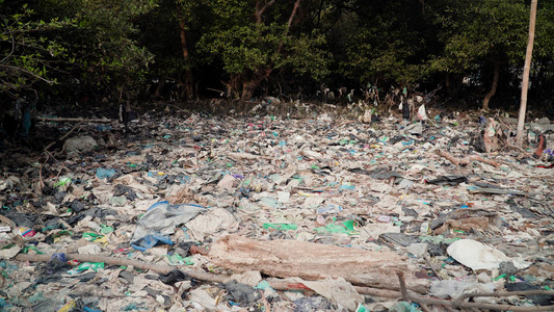
Beyond individual organisms, nurdles contribute to broader ecosystem disruption. They can accumulate in vast quantities on beaches, in mangroves, and within coral reefs, smothering habitats and altering the physical and chemical properties of sediments. These accumulations can prevent natural processes like gas exchange in coastal soils, impacting plant life and the organisms that depend on these habitats. Furthermore, nurdles can act as vectors for invasive species, transporting microbes and small organisms across ocean basins, potentially disrupting local biodiversity and introducing new diseases.
Human Health Concerns: The Food Chain Link
The threat posed by nurdles extends to humans through the food chain. As marine animals ingest pellets and the toxins they carry, these chemicals can bioaccumulate and biomagnify, meaning their concentration increases at higher trophic levels. When humans consume seafood, there is a risk of ingesting these microplastics and associated toxins. While the long-term health effects of microplastic ingestion on humans are still being researched, concerns include endocrine disruption, inflammation, and potential carcinogenicity. The pervasive nature of nurdles means that even if we don’t directly interact with them, they can still impact our health indirectly.
Pro Tips: Identifying and Reporting Nurdles
- Look Closely: Nurdles are small, often clear or white, and can blend in with sand or gravel. Look for uniform, lentil-shaped plastic pieces.
- Check High Tide Lines: They often accumulate along high tide lines on beaches, mixed with other debris.
- Participate in Citizen Science: Join local beach cleanups or organizations like “The Great Nurdle Hunt” which collect data on nurdle sightings. Reporting your findings helps researchers track pollution hotspots.
- Document Your Findings: Take photos, note the location (GPS coordinates if possible), and estimate the quantity. This data is invaluable for advocacy and policy change.
Challenges in Nurdle Cleanup and Remediation
Cleaning up plastic pellets once they have entered the environment presents formidable challenges that often render large-scale remediation efforts impractical or impossible. Their physical characteristics and widespread dispersion make conventional cleanup methods ineffective, highlighting the critical importance of prevention at the source.
The Scale of the Problem: Ubiquity and Dispersion
One of the biggest hurdles is the sheer scale and ubiquity of nurdle pollution. Billions of pellets are released annually, and once in the ocean, they are dispersed by currents across vast distances, reaching even the most remote corners of the planet. Attempting to collect individual pellets from the open ocean or extensive coastlines is akin to finding needles in a colossal haystack. Their small size makes them difficult to spot and separate from natural sediments, leading to incredibly labor-intensive and costly cleanup operations that yield minimal returns compared to the overall volume of pollution.
Technical Difficulties in Collection and Separation
Current cleanup technologies are largely unequipped to efficiently collect nurdles without also removing significant amounts of sand, organic matter, or small marine organisms. Sieve-based methods can be used on beaches, but they are slow and require careful manual sifting, which is not feasible for large areas. In aquatic environments, methods like boom-and-skimmer systems are designed for oil spills and are ineffective for tiny, dispersed pellets. Developing technologies that can selectively and efficiently extract nurdles from water or sediment without causing further ecological damage remains a significant engineering challenge.
Long-term Persistence and Degradation Issues
Nurdles are made from durable plastics designed to last. They do not biodegrade in the environment but instead photodegrade, breaking down into even smaller microplastic and nanoplastic particles under UV radiation. This process doesn’t eliminate the plastic but merely fragments it, making it even harder to detect, collect, and remove. These smaller particles can penetrate deeper into tissues and ecosystems, posing new and potentially greater risks. The long-term persistence means that even if all new pollution stopped today, the existing nurdle burden would continue to impact the environment for centuries.
Comprehensive Solutions and Prevention Strategies
Addressing the environmental tragedy of plastic pellets requires a multi-pronged approach, focusing heavily on prevention at every stage of the plastic supply chain. While cleanup is challenging, robust strategies involving industry, government, and individual action can significantly reduce the flow of nurdles into our environment and mitigate their impact.
Industry Responsibility and Best Practices (Operation Clean Sweep)
The most effective solutions begin at the source: the plastics industry. Initiatives like “Operation Clean Sweep” (OCS) are voluntary programs encouraging plastic manufacturers, transporters, and processors to implement best practices to prevent pellet loss. These include better containment during transfer, regular facility cleanups, employee training, and investment in spill prevention technologies. Mandatory adoption of OCS principles, backed by independent auditing and accountability, is crucial. Companies must invest in robust infrastructure, such as covered drains, spill capture systems, and enclosed transfer points, to prevent pellets from escaping their facilities.
Policy, Regulation, and International Cooperation
Governmental intervention is essential to move beyond voluntary compliance. This includes enacting stricter regulations on plastic pellet handling, storage, and transportation, with penalties for non-compliance. Legislation can mandate zero pellet loss targets, require regular environmental impact assessments, and enforce transparent reporting of spills. International cooperation is also vital, as plastic pollution is a transboundary issue. Global agreements and conventions can establish common standards for pellet management, facilitate information sharing, and support developing nations in implementing effective prevention strategies.
Citizen Science, Beach Cleanups, and Advocacy
While industry and government hold primary responsibility, citizen action plays a crucial role in monitoring, advocating, and raising awareness. Organized beach cleanups specifically targeting nurdles not only remove pollution but also gather valuable data on pollution hotspots. Citizen science projects, like “The Great Nurdle Hunt,” empower individuals to report sightings, contributing to a global database that informs research and policy. Public awareness campaigns can pressure corporations and governments to adopt more sustainable practices, fostering a collective demand for a cleaner environment free from plastic pellet pollution.
| Prevention Method | Description | Key Stakeholder(s) | Impact Level |
|---|---|---|---|
| Facility Upgrades | Installing covered drains, spill containment systems, and enclosed transfer points at production/processing plants. | Plastic Manufacturers, Processors | High (Source Prevention) |
| Employee Training | Educating staff on proper handling, cleanup procedures, and the environmental impact of pellet loss. | Plastic Manufacturers, Transporters | Medium (Operational Control) |
| Regulatory Enforcement | Government-mandated standards for pellet containment and punitive measures for spills. | Governments, Regulatory Bodies | High (Systemic Change) |
| Supply Chain Audits | Regular, independent audits of all stages of the supply chain to identify and rectify leakage points. | Industry Associations, Third-Party Auditors | Medium (Accountability) |
| Public Awareness & Advocacy | Campaigns and citizen science initiatives to pressure for change and monitor pollution. | NGOs, General Public | Medium (Demand-side Pressure) |
The Future Outlook: Research, Innovation, and Hope
Despite the daunting challenges posed by plastic pellet pollution, ongoing research, technological innovation, and a growing global commitment offer hope for a future with significantly reduced nurdle leakage. The focus is shifting towards more comprehensive understanding, advanced detection, and truly circular economy models.
Advancements in Detection and Tracking
Future efforts will benefit from more sophisticated methods for detecting and tracking nurdles. Satellite imagery, drone technology, and AI-powered image recognition are being developed to identify large accumulations of plastic pollution, including dense patches of pellets, in remote areas. Furthermore, chemical fingerprinting techniques are advancing, allowing researchers to trace specific nurdles back to their source, enhancing accountability and enabling targeted interventions. This enhanced visibility is crucial for understanding the full extent of the problem and guiding cleanup or prevention strategies.
Bioremediation and Novel Cleanup Technologies
While current cleanup methods are limited, significant research is underway into novel approaches. Bioremediation, using microorganisms to break down plastics, holds long-term promise, although it’s still in early stages for robust plastics like nurdles. Engineers are also exploring innovative physical cleanup technologies, such as advanced filtration systems for wastewater treatment plants that can capture microplastics, or robotic systems designed for more efficient beach and ocean surface collection. The goal is to develop solutions that are both effective and ecologically benign, avoiding unintended harm to ecosystems during remediation.
Shifting Consumer Behavior and Sustainable Alternatives
Ultimately, a fundamental shift in consumer behavior and a move towards truly sustainable alternatives are critical for a long-term solution. Reducing overall plastic consumption, choosing reusable products, and supporting businesses committed to circular economy principles can diminish the demand for virgin plastic pellets. Furthermore, research into biodegradable polymers that genuinely break down in natural environments, or alternative materials that can replace plastic entirely in certain applications, offers a pathway to a future where the environmental tragedy of plastic pellets becomes a relic of the past. The collective effort across all sectors of society is paramount for achieving this vision.
Frequently Asked Questions (FAQ)
- What are nurdles and why are they a problem?
- Nurdles are tiny plastic pellets, the raw material used to manufacture almost all plastic products. They are a problem because billions escape into the environment annually during production, transport, and recycling. Once in nature, they are mistaken for food by wildlife, causing starvation and internal injuries. They also absorb and leach toxic chemicals, posing threats to ecosystems and potentially human health through the food chain.
- How do nurdles primarily enter the environment?
- Nurdles primarily enter the environment through accidental spills during manufacturing, packaging, and transportation (e.g., from factories, trucks, or cargo ships). They can also escape from inadequate waste management and recycling facilities, or be washed into waterways from industrial sites by rain and wind.
- Are nurdles considered microplastics?
- Yes, nurdles are a specific type of primary microplastic. They are plastic particles intentionally manufactured to be less than 5 millimeters in size. Unlike secondary microplastics, which result from the breakdown of larger plastic debris, nurdles enter the environment already in microplastic form.
- What can individuals do to help prevent nurdle pollution?
- Individuals can help by participating in beach cleanups, especially those focused on microplastics and nurdles, and reporting their findings to citizen science projects. Advocating for stronger regulations, supporting companies with robust anti-nurdle policies, and reducing overall plastic consumption also contribute significantly to prevention efforts.
- What is “Operation Clean Sweep”?
- Operation Clean Sweep (OCS) is a voluntary industry program designed to prevent plastic pellet, flake, and powder loss into the environment. It encourages plastic manufacturers and processors to implement best practices for handling and containment within their facilities to achieve zero pellet loss. While voluntary, it represents an important step towards industry responsibility.
Reader boundary: This guide is for general editorial information only. Diving, marine-wildlife, environmental, lighting, electrical, appliance, plant-care, and home-installation topics should be checked against current standards, manufacturer instructions, local rules, and qualified professionals before practical use.