Understanding Your Flowering Plants: Annuals, Perennials, and Key Factors for Success
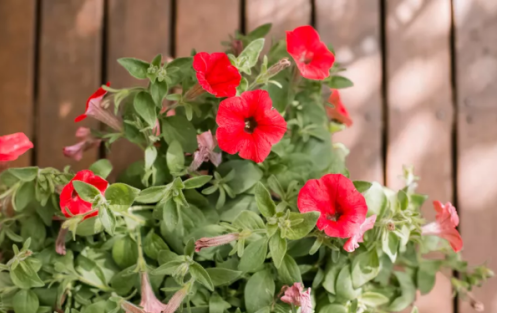
Cultivating a thriving flower garden begins with a fundamental understanding of the plants you choose and the environmental factors that dictate their growth. Flowering plants offer an incredible diversity in form, color, and life cycle, broadly categorized into annuals and perennials. Each category presents unique benefits and care requirements, influencing everything from planting schedules to long-term maintenance strategies. For instance, the vibrant Petunias and unique Ptilotus are typically grown as annuals, providing a season-long burst of color, while Miniature Roses, Dahlias, Coreopsis, Texas Star Hibiscus, and Bleeding Hearts are perennials, returning year after year with proper care. Recognizing these distinctions is crucial for designing a garden that offers continuous beauty and minimizes effort.
The Distinction Between Annuals and Perennials
Understanding the life cycle of your chosen flowering plants is paramount for successful gardening. Annuals, such as Petunias and Ptilotus, complete their entire life cycle—from seed germination to flowering and seed production—within a single growing season before dying off. They are prized for their intense, season-long blooms and versatility in design, often used for mass plantings, containers, and hanging baskets. Conversely, perennials, including Miniature Roses, Dahlias, Coreopsis, Texas Star Hibiscus, and Bleeding Hearts, live for more than two years, often returning from their rootstock each spring. While they may not bloom continuously throughout the entire season like many annuals, their established root systems often make them more resilient and require less frequent replanting. Some perennials, like Dahlias, may require specific overwintering care, such as lifting tubers in colder climates, to ensure their return.
Key Environmental Factors for Optimal Bloom Production
Beyond their life cycle, all flowering plants share fundamental needs that must be met for optimal health and bloom production. These include appropriate sunlight exposure, nutrient-rich soil, and consistent watering. Neglecting any of these crucial elements can lead to stunted growth, reduced flowering, or even plant failure. Detailed consideration of these factors from the outset will lay a strong foundation for a vibrant and resilient garden.
- Sunlight Requirements: The amount of direct sunlight a plant receives is a primary determinant of its health and flowering capacity. Most flowering plants, including Petunias, Miniature Roses, Dahlias, Coreopsis, and Ptilotus, thrive in full sun, meaning at least 6-8 hours of direct sunlight per day. Texas Star Hibiscus prefers full sun to part shade, indicating some tolerance for less intense light. In contrast, plants like Bleeding Hearts are classic shade-lovers, requiring protection from harsh afternoon sun to prevent leaf scorch and stress. It is vital to research the specific light needs of each plant and select a garden site accordingly.
- Soil Composition and pH: The soil serves as the anchor and nutrient reservoir for your plants. Ideal soil is well-draining, rich in organic matter, and has a pH level suited to the specific plant. While many flowering plants are adaptable, most prefer a slightly acidic to neutral pH (6.0-7.0). Good drainage is critical; dense, waterlogged soil can lead to root rot, especially for plants like Dahlias, which are susceptible to tuber decay. Amending heavy clay soils with compost or lighter sandy soils with organic matter can significantly improve structure and fertility.
- Watering Protocols: Proper watering is an art form, balancing the plant’s need for moisture with the risk of overwatering. Factors such as plant type, climate, soil composition, and container size all influence watering frequency. For example, Texas Star Hibiscus is known for its love of consistent moisture, often requiring more frequent watering, especially in hot conditions, to support its large blooms. Conversely, Coreopsis and Ptilotus are relatively drought-tolerant once established, preferring drier conditions between waterings. Deep, infrequent watering is generally more beneficial than shallow, frequent watering, as it encourages roots to grow deeper, making the plant more resilient.

Preparing the Perfect Environment: Site Selection and Soil Preparation
The foundation of a successful flower garden lies in meticulous site selection and thorough soil preparation. These initial steps are critical, as they directly impact plant health, vigor, and bloom quality throughout their lifespan. A well-chosen site that aligns with a plant’s specific needs, coupled with soil that provides optimal growing conditions, will significantly reduce future gardening challenges and foster a flourishing display of color.
Strategic Site Selection Based on Plant Needs
Before any digging begins, carefully assess your garden space to identify areas that match the light and environmental preferences of your chosen plants. This involves observing sunlight patterns throughout the day and considering microclimates within your garden.
- Mapping Sunlight Exposure: Monitor how many hours of direct sun different parts of your garden receive. Areas with 6-8+ hours of direct sun are ideal for full-sun plants like Petunias, Miniature Roses, Dahlias, Coreopsis, and Ptilotus. Partial shade (3-6 hours of sun, often morning sun) suits plants like Texas Star Hibiscus and can protect some sun-lovers from intense afternoon heat in very hot climates. Full shade (less than 3 hours of direct sun) is reserved for plants such as Bleeding Hearts, which thrive in cooler, dappled light conditions. Planting a shade-loving plant in full sun will lead to scorched leaves and poor performance, while a sun-lover in shade will result in leggy growth and sparse blooms.
- Considering Drainage and Airflow: Beyond light, assess the natural drainage of your chosen site. Areas where water pools after rain indicate poor drainage, which can lead to root rot for most flowering plants. Good airflow is also important to prevent fungal diseases, particularly in humid environments. Avoid planting too densely or in locations with stagnant air.
- Protecting from Elements: Consider protection from strong winds, which can damage delicate blooms and stems, especially for taller plants like Dahlias. Proximity to buildings or fences can offer shelter, but also be mindful of reflected heat, which can be detrimental to some species.
Optimizing Soil Composition and Fertility
Once a suitable site is identified, the next crucial step is to prepare the soil. Healthy soil is a living ecosystem that provides essential nutrients, water retention, and aeration for robust root development.
- Soil Testing for Informed Amendments: Before adding amendments, it is highly recommended to perform a soil test. This analysis will reveal your soil’s current pH level and nutrient deficiencies, allowing for targeted improvements. Most flowering plants prefer a slightly acidic to neutral pH (6.0-7.0). If your soil is too alkaline or acidic, the test results will guide you on how to adjust it, for example, by adding sulfur to lower pH or lime to raise it.
- Enhancing Soil Structure with Organic Matter: Regardless of your soil type, incorporating generous amounts of organic matter is almost always beneficial. For heavy clay soils, organic matter improves drainage and aeration, preventing compaction. For sandy soils, it enhances water retention and nutrient-holding capacity. Excellent organic amendments include well-rotted compost, aged manure, leaf mold, and peat moss. Digging in a 2-4 inch layer of organic material into the top 6-12 inches of soil will dramatically improve its structure and fertility.
- Ensuring Proper Drainage: If your chosen site has naturally poor drainage, even after amending with organic matter, consider creating raised beds. Raised beds offer excellent control over soil composition and ensure superior drainage, which is particularly beneficial for plants sensitive to wet feet, such as Dahlias and Coreopsis.
Mastering Planting Techniques for Optimal Growth and Vibrant Blooms
The act of planting, while seemingly straightforward, involves several critical steps that can significantly impact a plant’s ability to establish itself, thrive, and produce abundant blooms. Proper planting techniques minimize transplant shock, encourage strong root development, and ensure your flowering plants get the best possible start in their new environment. From timing to spacing and the actual process of placing the plant in the ground, each detail contributes to its long-term success.
Timing Your Planting for Seasonal Success
The success of your planting efforts is heavily influenced by timing, which varies depending on the plant’s hardiness and local climate conditions. Planting at the right time ensures the plant experiences favorable temperatures and moisture levels for establishment.
- Spring Planting for Most Annuals and Perennials: For the majority of flowering plants, including annuals like Petunias and Ptilotus, and many perennials such as Miniature Roses, Coreopsis, and Texas Star Hibiscus, spring is the ideal planting season. This allows them to establish roots before the intense heat of summer and benefit from spring rains. Ensure the danger of the last frost has completely passed before planting tender annuals or perennials that are not fully hardy in your zone. For Dahlias, tubers are typically planted in spring after the soil has warmed.
- Fall Planting for Hardier Perennials: Some hardy perennials, like Bleeding Hearts, can also be successfully planted in early fall. This gives their root systems a chance to establish in the cooler, moist soil before winter dormancy, allowing them to emerge robustly in spring. Avoid planting too late in fall, as roots need time to anchor before the ground freezes solid.
- Avoiding Extreme Conditions: Never plant during periods of extreme heat, cold, or drought. Stressful conditions will hinder establishment and can lead to plant death. If necessary, delay planting until conditions are more favorable.
The Art of Proper Spacing and Depth
Correct spacing and planting depth are vital for air circulation, nutrient access, and preventing overcrowding, which can lead to disease and reduced flowering.
- Adequate Spacing for Growth and Airflow: Always follow the spacing recommendations provided for each plant. Overcrowding inhibits air circulation, creating a humid microclimate that encourages fungal diseases like powdery mildew, common in plants like Roses. It also leads to competition for light, water, and nutrients, resulting in weaker, less floriferous plants. For instance, giving Petunias enough room allows them to spread and bloom profusely.
- Correct Planting Depth: For most container-grown plants, including the various flowering plants in this guide, the top of the root ball should be level with the surrounding soil surface. Planting too deep can suffocate the crown and lead to stem rot, while planting too shallow can expose roots to drying out and temperature fluctuations. For tuberous plants like Dahlias, specific depth guidelines are crucial to ensure proper development and flowering.
- Preparing the Planting Hole: Dig a hole that is twice as wide as the root ball and just as deep. Gently loosen the roots, especially if they are pot-bound, to encourage outward growth into the new soil. Backfill the hole with the prepared soil mixture, gently firming it around the root ball to remove large air pockets.

Essential Care Practices for Flourishing Blooms
Once your flowering plants are successfully established, ongoing care is paramount to ensure their continued health, vigor, and prolific blooming. This involves a consistent regimen of watering, fertilizing, pruning, and diligent pest and disease management. Each practice plays a critical role in supporting the plant’s physiological processes, preventing stress, and maximizing its aesthetic appeal. Mastering these routine tasks transforms a good garden into an exceptional one, brimming with vibrant, long-lasting flowers.
Strategic Watering and Fertilization
Water and nutrients are the lifeblood of flowering plants. Understanding when and how to provide them is key to preventing common issues and promoting lush growth.
- Optimized Watering Strategies: The frequency and volume of watering depend heavily on the plant species, soil type, climate, and whether the plant is in the ground or a container.
- Deep, Infrequent Watering: For most established plants, including Miniature Roses and Dahlias, deep watering that saturates the root zone is preferred over shallow, frequent sprinkles. This encourages roots to grow deeper, making the plant more resilient to dry spells. Aim for the top 6-12 inches of soil to be consistently moist but not waterlogged.
- Moisture-Loving vs. Drought-Tolerant: Plants like Texas Star Hibiscus are known for their high water demands and will wilt quickly if deprived of moisture, especially during hot periods. Conversely, Coreopsis (Tickseed) and Ptilotus are quite drought-tolerant once established and prefer drier conditions between waterings, making them excellent choices for xeriscaping or areas with less consistent irrigation.
- Recognizing Plant Needs: Observe your plants for signs of stress. Wilting leaves can indicate a need for water, but they can also signal overwatering (due to root damage). Check soil moisture by sticking a finger into the soil about 2 inches deep; if it feels dry, it’s time to water.
- Effective Fertilization Programs: Flowering plants are heavy feeders, especially during their active growth and blooming periods.
- Balanced Nutrients: Use a balanced fertilizer (e.g., 5-10-5 or 10-10-10) or one formulated specifically for flowering plants, which often has a higher phosphorus content to promote blooms. For annuals like Petunias, consistent feeding every 2-4 weeks during the growing season is often necessary for continuous flowering.
- Organic vs. Synthetic: Organic fertilizers, such as compost tea or aged manure, improve soil structure and provide slow-release nutrients. Synthetic fertilizers offer a quick nutrient boost but require careful application to avoid over-fertilization and nutrient burn.
- Timing is Key: Fertilize according to the plant’s growth cycle. Most perennials benefit from a feeding in early spring as new growth emerges, and possibly another light feeding mid-season. Avoid fertilizing late in the growing season, especially for perennials, as this can stimulate tender new growth that is vulnerable to winter damage.
Pruning and Deadheading for Enhanced Vigor
Pruning and deadheading are essential maintenance tasks that promote healthier growth, improve plant shape, and encourage a prolonged display of flowers.
- The Benefits of Deadheading: Deadheading, the removal of spent flowers, prevents the plant from expending energy on seed production and redirects it towards producing more blooms. This is particularly effective for prolific bloomers like Petunias, Dahlias, and Coreopsis, ensuring a continuous show of color throughout the season. Simply snip or pinch off the faded flowers just above a set of healthy leaves or a new bud.
- Strategic Pruning for Shape and Health: Pruning involves removing dead, diseased, damaged, or crossing branches to improve air circulation, maintain desired size and shape, and stimulate new growth.
- Miniature Roses: Require specific pruning techniques to encourage strong new canes and abundant flowering. This often involves removing old, woody stems and shaping the plant in late winter or early spring.
- Bleeding Hearts: Typically do not require extensive pruning beyond removing spent flower stalks and any yellowing foliage after blooming.
- Texas Star Hibiscus: Can be pruned back in late winter or early spring to encourage bushier growth and more flowers.
Integrated Pest and Disease Management
Vigilance and timely intervention are crucial for managing pests and diseases, which can quickly compromise the health and beauty of your flowering plants.
- Regular Inspection: Regularly inspect your plants for signs of pests (e.g., aphids, spider mites, slugs) or diseases (e.g., powdery mildew, black spot). Early detection makes control much easier.
- Cultural Controls: Many pest and disease issues can be mitigated through good cultural practices:
- Proper Spacing: Ensures good air circulation, reducing fungal problems.
- Sanitation: Remove and dispose of infected plant material to prevent spread.
- Watering Techniques: Water at the base of the plant to keep foliage dry, especially for plants prone to leaf spot or mildew.
- Organic and Chemical Solutions:
- Organic Approaches: Introduce beneficial insects (e.g., ladybugs for aphids), use neem oil, insecticidal soap, or horticultural oils for pest control. For slugs, beer traps or diatomaceous earth can be effective.
- Chemical Options: If organic methods are insufficient, targeted chemical pesticides or fungicides may be necessary. Always follow label instructions carefully to protect yourself, your plants, and the environment. Consider less toxic options first.

Advanced Gardening Techniques for Enthusiasts
Beyond the fundamental care practices, advanced gardening techniques offer opportunities to expand your plant collection, extend the growing season, and enhance the overall health and resilience of your flowering plants. These methods, while requiring a bit more effort and knowledge, can be incredibly rewarding, allowing you to propagate beloved varieties, protect delicate plants through winter, and create more dynamic garden compositions.
Propagation: Expanding Your Plant Collection
Propagation allows you to create new plants from existing ones, often at no cost. This is a fantastic way to multiply your favorite varieties or share them with friends.
- Seed Sowing: Many annuals like Petunias and Ptilotus are easily grown from seed. Starting seeds indoors 6-8 weeks before the last frost date can give you a head start on the growing season, producing robust seedlings ready for transplanting.
- Cuttings: A common method for perennials such as Miniature Roses and Texas Star Hibiscus. Stem cuttings are taken from healthy, non-flowering shoots, rooted in a sterile medium (like perlite or vermiculite), and then transplanted once a strong root system develops. This method ensures the new plant is genetically identical to the parent.
- Division: Many clump-forming perennials, including Coreopsis and Bleeding Hearts, benefit from division every few years. This process not only creates new plants but also rejuvenates the parent plant, improving vigor and flowering. Division is typically done in spring or fall, carefully separating the root ball into smaller sections, each with roots and shoots.
- Tuber Division: For plants like Dahlias, tubers are lifted in the fall (in cold climates) and can be divided in the spring before replanting. Each division must have at least one “eye” (a growth bud) to sprout successfully.
Overwintering Strategies for Perennials and Tender Bulbs
Protecting tender perennials and bulbs through winter is crucial for their return in colder climates where they are not fully hardy.
- Lifting and Storing Tubers/Bulbs: Dahlias, for example, are typically not winter-hardy in zones below USDA Zone 8. Their tubers must be carefully lifted from the ground after the first light frost, cleaned, dried, and stored in a cool, dark, frost-free location (e.g., in peat moss or sawdust) until spring.
- Mulching for Protection: For hardy perennials, applying a thick layer of organic mulch (straw, shredded leaves, wood chips) around the plant base in late fall can insulate the roots from extreme temperature fluctuations and frost heave. This is beneficial for plants like Miniature Roses, Coreopsis, and Texas Star Hibiscus in colder parts of their hardiness range.
- Container Plant Relocation: If you grow tender perennials or annuals that you wish to save in containers (like some Petunias or Miniature Roses), they can often be moved indoors to a protected, brightly lit area for the winter. Reduce watering and cease fertilization during their dormant period.
Container Gardening and Companion Planting
These techniques optimize space and foster a healthier garden ecosystem.
- Container Gardening: Ideal for smaller spaces, patios, or for growing plants that require specific soil conditions. Petunias, Miniature Roses, and even smaller Dahlias thrive in containers. Key considerations include choosing appropriately sized pots, using high-quality potting mix, and ensuring excellent drainage. Container plants generally require more frequent watering and fertilization than those in the ground due to limited soil volume.
- Companion Planting: The practice of planting different species together for mutual benefit. This can include deterring pests, attracting beneficial insects, improving soil health, or providing structural support. For instance, planting marigolds near roses is often said to deter nematodes, while taller plants can offer shade to more sensitive, shade-loving species like Bleeding Hearts. Research specific beneficial pairings for your chosen flowering plants.

Troubleshooting Common Flowering Plant Problems
Even with the most diligent care, flowering plants can occasionally encounter issues that manifest as visible symptoms. Identifying these problems early and understanding their root causes is crucial for effective intervention and restoring your plants to health. Many common problems stem from environmental stressors, nutrient deficiencies, pests, or diseases, and often present with similar symptoms, making careful observation key to accurate diagnosis.
Diagnosing Leaf Discoloration and Wilting
Changes in leaf color or turgidity are often the first indicators of a plant in distress. Understanding what these symptoms signify can guide your corrective actions.
- Yellowing Leaves (Chlorosis):
- Nutrient Deficiency: Often indicates a lack of nitrogen, iron, or magnesium. Nitrogen deficiency usually shows up as overall yellowing of older leaves, while iron deficiency typically causes yellowing between the veins of new leaves (interveinal chlorosis). A soil test can confirm specific deficiencies.
- Overwatering/Poor Drainage: Saturated soil deprives roots of oxygen, leading to root rot and an inability to absorb nutrients, resulting in yellowing. This is particularly common for plants sensitive to wet feet, even those that love moisture like Texas Star Hibiscus if drainage is poor.
- Underwatering: While less common for overall yellowing, severe drought stress can cause leaves to yellow and then brown.
- Pest Infestation: Sucking pests like spider mites or aphids can cause leaves to yellow and appear sickly as they extract sap.
- Browning Leaf Edges or Tips:
- Underwatering/Drought Stress: A classic sign of insufficient moisture, especially in hot, windy conditions.
- Excessive Fertilizer: Too much fertilizer can burn root tips, leading to browning leaf margins.
- Salt Build-up: In containers, mineral salts from water or fertilizer can accumulate, causing tip burn.
- Sun Scorch: Too much intense, direct sunlight, especially for shade-loving plants like Bleeding Hearts, can cause leaves to brown and crisp.
- Wilting Leaves:
- Underwatering: The most common cause. The plant lacks sufficient water to maintain turgor pressure in its cells. Check soil moisture and water deeply if dry.
- Overwatering/Root Rot: Paradoxically, overwatering can also cause wilting. Waterlogged roots cannot absorb water, leading to the same symptoms as underwatering. Inspect roots for mushiness and a foul smell.
- Heat Stress: In extreme heat, plants may temporarily wilt during the hottest part of the day, recovering in the evening. Provide afternoon shade if possible.
- Vascular Wilt Diseases: Certain fungal or bacterial diseases can block the plant’s vascular system, causing sudden, irreversible wilting.
Addressing Lack of Blooms and Stunted Growth
When flowering plants fail to produce the expected number or quality of blooms, or when their overall growth is significantly reduced, it’s a clear sign that something is amiss in their environment or care regimen.
- Insufficient Light: One of the most common reasons for poor flowering. Most flowering plants, including Petunias, Miniature Roses, and Dahlias, require ample sunlight (6-8+ hours) to produce energy for blooming. Plants in too much shade will prioritize leafy growth over flowers.
- Nutrient Imbalance:
- Too Much Nitrogen: Fertilizers high in nitrogen (the first number in the NPK ratio) encourage lush, green foliage at the expense of flowers. Switch to a balanced fertilizer or one higher in phosphorus (the middle number) to promote blooming.
- Lack
Reader boundary: This guide is for general editorial information only. Diving, marine-wildlife, environmental, lighting, electrical, appliance, plant-care, and home-installation topics should be checked against current standards, manufacturer instructions, local rules, and qualified professionals before practical use.