The Architectural Genesis of Royal Landscapes
The history of European royal gardens is not merely a chronicle of horticulture, but a testament to the political and aesthetic ambitions of the ruling dynasties. These spaces were designed as physical manifestations of order, control, and divine right. By bridging the gap between wild nature and refined architecture, monarchs utilized these landscapes to project authority and provide a secluded retreat from the rigors of court life.
The Hydraulic Ingenuity of Aranjuez
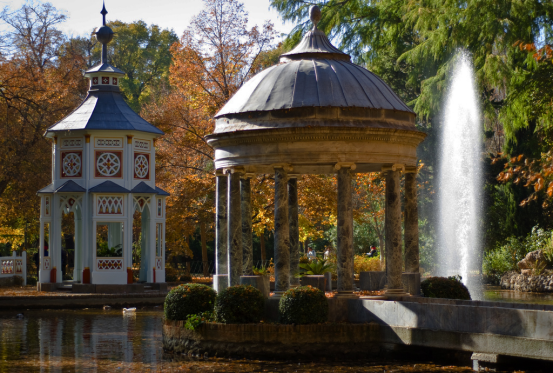
The Royal Palace of Aranjuez serves as a masterclass in hydraulic landscape design. Located in Spain, the gardens rely on the diversion of the Tagus River to create a series of lush, interconnected waterways and fountains. This design philosophy emphasizes the mastery of the environment, turning arid Iberian terrain into a verdant oasis.
- Water Management: Intricate irrigation systems provide constant nourishment to exotic flora.
- Aesthetic Narrative: The placement of fountains is not random; they are strategically positioned to create acoustic and visual rhythmic patterns.

The Synthesis of Renaissance and Baroque Styles
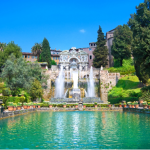
At the heart of the Fontainebleau Palace lies a profound collision of stylistic eras. The transition from the rigid, human-centric geometry of the Renaissance to the dramatic, theatrical scale of the Baroque period defines the garden’s layout. This duality creates a sense of tension and movement that guides the visitor through an evolving historical narrative.
Defining the Baroque Influence
Baroque gardening is characterized by its desire to extend the horizon. Unlike the enclosed, inward-looking gardens of earlier centuries, the Baroque era sought to incorporate the surrounding landscape—in this case, the dense forests of Fontainebleau—into the palace’s visual domain.
| Feature | Renaissance Approach | Baroque Approach |
|---|---|---|
| Geometry | Strict, closed squares | Expansive, radial axes |
| Perspective | Static viewing points | Dynamic, long-range vistas |
| Nature | Subjugated | Theatrical integration |

Order and Power in the Royal Palace of Turin
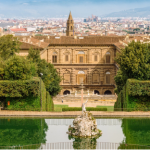
The Royal Palace of Turin represents the pinnacle of Italian courtly design, where the landscape is an extension of the state’s administrative power. The layout utilizes strict symmetry and elevated terraces to communicate a sense of permanence and architectural supremacy, reflecting the House of Savoy’s influence in Europe.
Structural Symmetry as a Political Tool
The deliberate use of symmetry in Turin was intended to evoke feelings of awe and submission in visiting dignitaries. By aligning garden paths with the architectural sightlines of the palace, the designers ensured that the monarch was always perceived as the central point of the universe.
- Visual Axis: Paths are aligned to lead the eye toward key monuments or distant landscapes.
- Statuary Placement: Sculptures of mythic figures are placed to reinforce the legitimacy and lineage of the ruling house.

Comparative Analysis of European Royal Retreats
While each garden serves as a unique cultural artifact, they share a common thread: the pursuit of perfection through the mastery of the natural world. Whether through the water-heavy landscapes of Spain or the forest-framed vistas of France, the goal remains the same: the creation of a utopia for the elite.
The Role of Flora in Global Prestige
Monarchs often imported exotic plants to signal their reach and wealth. The inclusion of non-native species in these gardens was a form of “botanical colonization,” proving that the royal house could command the very growth of the earth.
Frequently Asked Questions (FAQ)
- Q1: What defines a “Royal Garden” in an architectural sense?
- A royal garden is characterized by extreme geometric precision, the inclusion of complex hydraulic engineering, and the use of statues and vistas to reinforce the political and divine authority of the monarchy.
- Q2: How did the Baroque period change garden design?
- The Baroque period moved away from enclosed Renaissance gardens toward an “infinite” style, using long, radial axes and theatrical staging to connect the palace to the wider world.
- Q3: Why were water features so critical in Spanish royal palaces?
- In the arid climate of the Iberian Peninsula, water was a luxury resource. Showcasing an abundance of water through fountains and canals was a direct display of the King’s power to control the most vital element of life.
- Q4: How does the Turin Palace garden reflect the House of Savoy?
- The garden uses rigid structural symmetry and elevated vantage points to reflect the absolute order and administrative control central to the House of Savoy’s governance.