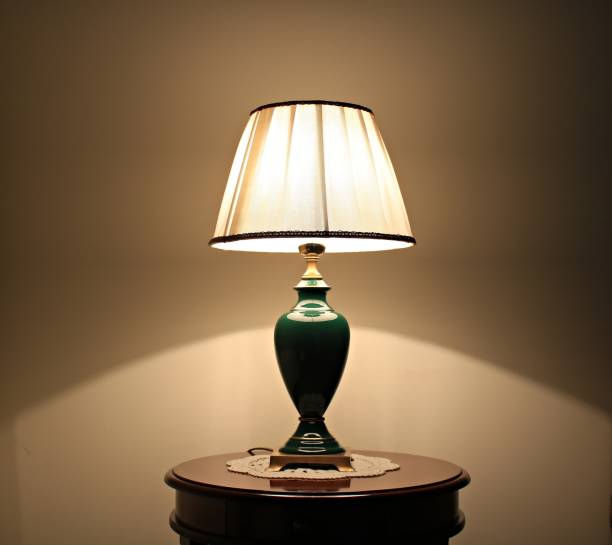
Structural Integrity and Chandelier Safety
The installation of heavy lighting fixtures, particularly chandeliers, requires more than just aesthetic consideration; it demands a rigorous evaluation of structural bearing capacity. A failure to balance the weight of the lampshade with the ceiling’s support mechanism can result in catastrophic structural failure.
Evaluating Ceiling Bearing Capacity
Before mounting any large fixture, you must determine the material of the ceiling. Traditional drywall often requires additional reinforcement, such as a fan-rated box or a metal crossbar secured directly to ceiling joists.
- Weight Distribution: Always calculate the total weight of the fixture, including glass elements and decorative trimmings.
- Hardware Requirements: Use heavy-duty toggle bolts or lag screws when mounting into wooden joists to ensure maximum pull-out resistance.
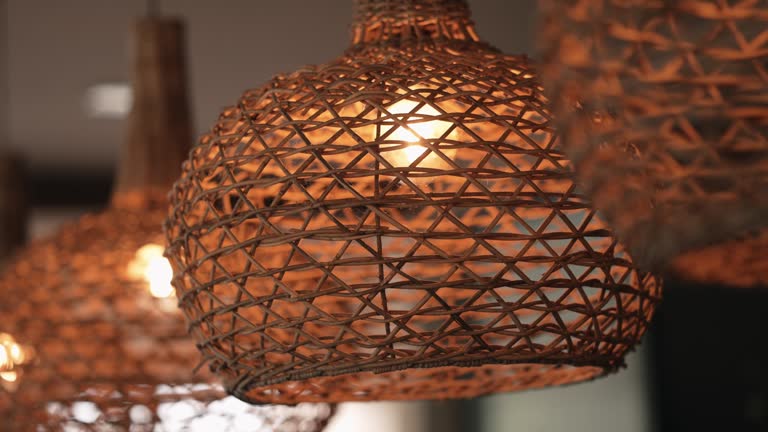
Child-Safe Lighting Solutions
Children’s rooms require a specialized approach to lighting. Safety protocols dictate that lampshades must be shatterproof, non-toxic, and designed to prevent accidental contact with hot bulbs or electrical components.
Key Design Requirements for Children’s Rooms
When selecting lighting for nurseries or playrooms, prioritize materials that do not shatter upon impact. Polycarbonate or high-density fabric shades are superior to traditional glass.
- Fully Enclosed Designs: Prevent dust accumulation and reduce the risk of small objects being inserted into the lamp housing.
- Heat Management: Use LED bulbs exclusively to minimize surface temperature, ensuring the shade remains cool to the touch.

Moisture Resistance and IP Ratings for Bathrooms
Bathrooms and high-humidity environments pose a significant risk to electrical longevity. Utilizing the correct Ingress Protection (IP) rating is the primary defense against short circuits and corrosion.
Understanding IP Ratings in Damp Zones
The IP rating consists of two digits. The first digit represents protection against solids, while the second indicates protection against liquids. For bathroom vanity lights, an IP44 rating is typically the industry minimum to ensure protection against splashing water.
| Zone | Recommended IP Rating | Application |
|---|---|---|
| Shower Interior | IP65 | Direct water jet protection |
| Vanity/Mirror | IP44 | Splash resistance |
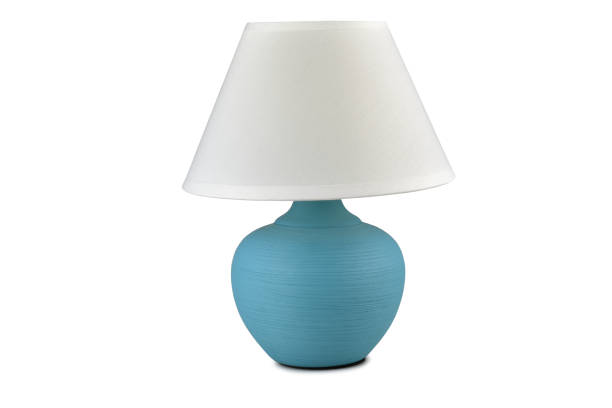
Outdoor Lighting Durability and Standards
Outdoor lighting is subject to the harshest environmental conditions, including wind, rain, and UV degradation. Selecting fixtures with high-grade materials is essential for safety and longevity.
Environmental Factors and Maintenance
Outdoor fixtures must be rated for wet locations. Beyond the IP rating, consider the material of the fixture housing; powder-coated aluminum or marine-grade stainless steel are recommended to prevent rust and oxidation over time.
Frequently Asked Questions (FAQ)
- Q1: How do I determine if my ceiling can support a heavy chandelier?
- Consult a professional to assess your ceiling joists. If installing on standard drywall, you must use a structural support bracket anchored directly into the joists to prevent the fixture from falling.
- Q2: What is the most important feature for a child’s bedroom lamp?
- Shatterproof materials are paramount. You should ensure the shade is fully enclosed to prevent curious children from touching the light bulb or electrical sockets.
- Q3: What does an IP44 rating actually mean for my bathroom lights?
- IP44 means the fixture is protected against solid objects larger than 1mm and is resistant to water splashes from any direction, making it safe for most bathroom locations.
- Q4: Why do outdoor lights stop working after a few seasons?
- Usually, this is due to moisture ingress. If the IP rating is insufficient or the gaskets have degraded, water enters the internal wiring, causing corrosion and eventual failure.
Reader boundary: This guide is for general editorial information only. Diving, marine-wildlife, environmental, lighting, electrical, appliance, plant-care, and home-installation topics should be checked against current standards, manufacturer instructions, local rules, and qualified professionals before practical use.