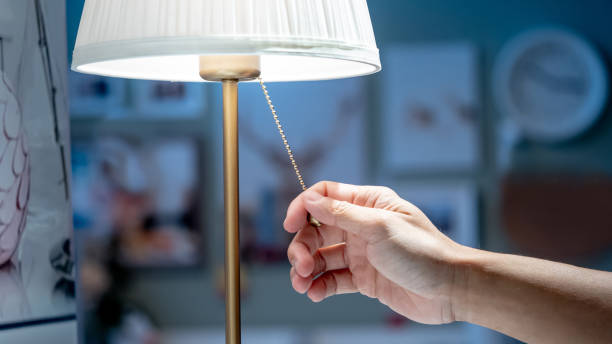
The Aesthetics of Light Refraction in Glass Lampshades
Glass lampshades are prized for their ability to manipulate light through refraction, turning a standard bulb into a source of artistic illumination. The interaction between light and glass is governed by the material’s density, thickness, and surface texture.
Understanding Thickness and Light Intensity
The thickness of a glass shade serves as a filter for light output. Thinner glass allows for higher light transmission, ideal for task lighting, while thicker glass acts as a diffuser, softening the intensity.
- Thin Glass: Offers crisp, bright illumination. Often used in modern industrial designs to maximize lumen output.
- Thick/Heavy Glass: Provides a more dramatic, moody effect. The mass of the glass absorbs and scatters light, reducing harsh glare.
Texture and Surface Manipulation
Beyond thickness, the physical texture of the glass—whether frosted, ribbed, or hammered—alters the direction of light rays. Ribbed glass creates linear shadows, while hammered glass produces a “water-like” dispersion effect that adds depth to a room.
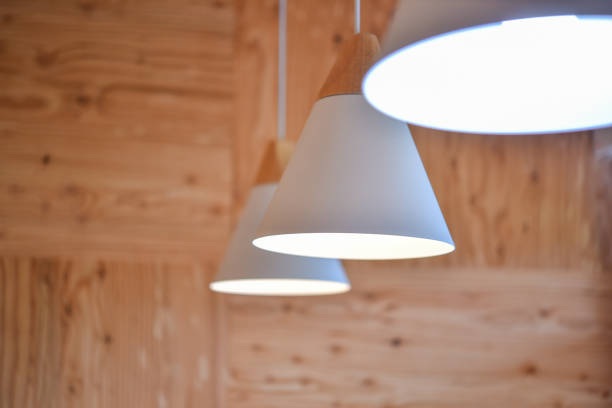
The Secret of Soft Light in Fabric Lampshades
Fabric lampshades are the gold standard for creating a comfortable, domestic atmosphere. Unlike glass, which can introduce sharp highlights, fabric provides a gentle, diffused glow that minimizes eye strain and creates a sense of warmth.
Comparing Fabric Materials
The choice of material significantly impacts the quality of light and the overall aesthetic of the fixture. Each fabric interacts with light differently based on its weave density and translucency.
| Material | Light Quality | Best Use Case |
|---|---|---|
| Silk | Elegant, luminous glow | Formal living rooms, bedrooms |
| Linen | Natural, textured diffusion | Casual, minimalist, or rustic decor |
| Cotton | Uniform, soft illumination | General household lighting |
Operational Tips for Fabric Care
To maintain the light-diffusing qualities of your fabric shades, regular maintenance is essential. Dust accumulation can darken the shade and impede light passage. Use a soft lint roller or a gentle vacuum attachment to keep the fibers clean and the light output consistent.
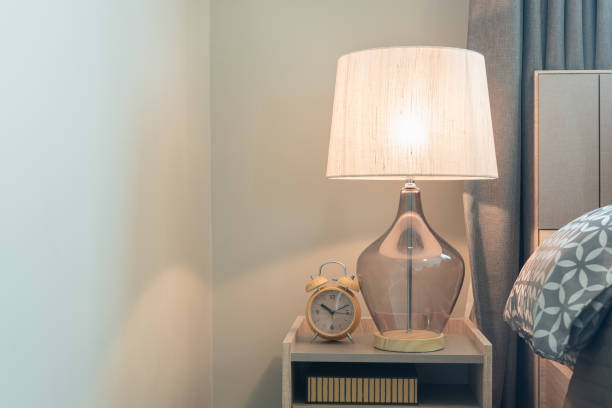
Strategic Selection: Aligning Material with Function
Selecting between glass and fabric is not merely an aesthetic choice; it is a functional decision based on the room’s purpose. Glass is generally better suited for areas requiring high visibility, while fabric excels in areas where relaxation is the priority.
Designing for Multi-Functional Spaces
In open-plan homes, you can combine these materials to create a balanced lighting scheme. By placing glass pendant lights over a kitchen island (for clarity) and fabric lamps in the adjacent lounge area (for comfort), you create a natural visual transition.
Frequently Asked Questions (FAQ)
- Q1: Does glass thickness affect the color temperature of my bulbs?
- While glass thickness does not change the kelvin rating of the bulb, it can alter the perceived color. Thicker glass, especially if slightly tinted, will “warm up” the light, whereas clear, thin glass will allow the bulb’s natural color temperature to shine through unfiltered.
- Q2: Is silk the best fabric for preventing dust buildup?
- No, silk is a delicate natural fiber that can actually attract dust and is difficult to clean. If dust allergies or maintenance are primary concerns, synthetic blends or treated cotton are often more practical choices.
- Q3: Can I use high-wattage bulbs with fabric shades?
- It is not recommended. Fabric is a combustible material. Always adhere to the manufacturer’s maximum wattage label on the lamp socket to prevent overheating and potential fire hazards.
- Q4: Why does my glass shade create strange light patterns?
- If your glass shade has a texture like ribbing or etching, it is designed to refract light. These patterns are intentional aesthetic features. If you prefer uniform light, opt for a smooth, frosted glass shade instead.
Reader boundary: This guide is for general editorial information only. Diving, marine-wildlife, environmental, lighting, electrical, appliance, plant-care, and home-installation topics should be checked against current standards, manufacturer instructions, local rules, and qualified professionals before practical use.