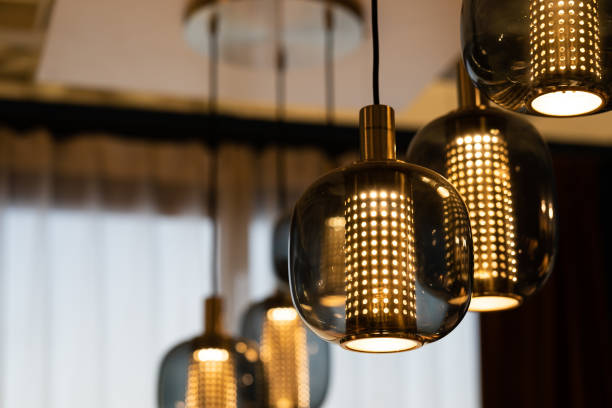
The right lighting can fundamentally transform a space, elevating it from a simple room to an enchanting environment. More than just functional illumination, carefully curated light creates mood, evokes emotion, and sets the stage for memorable moments. Among the most powerful tools in an interior designer’s arsenal are lampshades, which act as the final brushstroke in crafting the perfect atmosphere. This guide is dedicated to the art of using festive and decorative lampshades—from ethereal starry silk to cozy small lampshade wraps—to create a warm, dreamy, and truly magical ambiance in your home.
Whether you’re decorating for a holiday, a special event, or simply wish to cultivate a sense of everyday magic, understanding how to select and arrange your lampshades is key. We will explore everything from the foundational principles of material and color selection to advanced techniques in light layering and shadow play, providing you with the knowledge to become a master of atmospheric lighting.
The Foundation: Choosing Your Festive Lampshades
The journey to a magical atmosphere begins with selecting the right lampshades. The material, color, and size of your shade will directly influence the quality and character of the light it emits. This choice is not merely aesthetic; it’s a functional decision that dictates the mood of the entire room.
Material Matters: From Starry Silk to Warm Wraps
The fabric of a lampshade is its most critical feature, acting as a filter that shapes the light. For a festive and dreamy feel, certain materials excel.
- Starry Silk: This material is prized for its ability to create a soft, diffused glow. The inherent sheen of silk adds a touch of luxury, while embedded “starry” elements or subtle perforations can cast delicate patterns of light, mimicking a night sky. It’s perfect for creating a serene and enchanting focal point.
- Linen and Cotton Wraps: For a warmer, cozier, and more rustic festive feel, natural fabrics are ideal. Small lampshade wraps made from linen or cotton soften harsh bulbs and produce a gentle, inviting light. They are incredibly versatile and can be customized with colors and patterns to match any holiday theme.
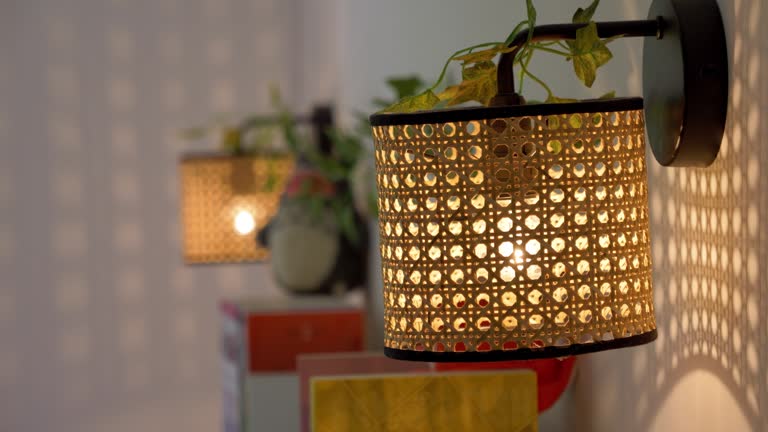
- Parchment and Paper: These materials offer a crisp, clean diffusion of light. They can be opaque for a directed glow or translucent for a more ambient effect. Perforated paper shades are particularly effective at casting intricate shadow patterns.
Color Psychology for a Festive Mood
Color dramatically impacts the emotional tone of a room. When choosing a lampshade, consider the psychological effect of its hue, especially when illuminated.
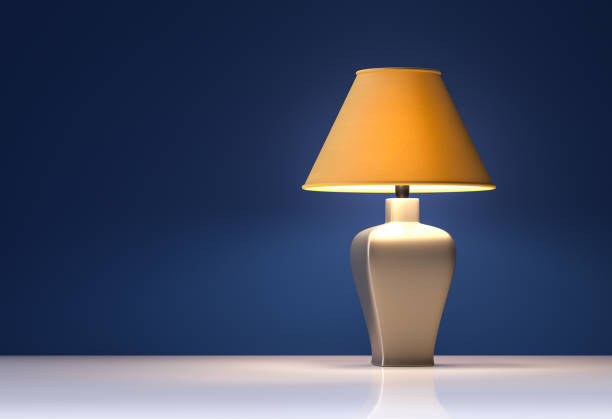
- Warm Tones (Reds, Oranges, Yellows): These colors create a sense of warmth, comfort, and intimacy. A cream or gold-lined lampshade will cast a particularly inviting, candle-like glow, perfect for living rooms and dining areas during festive gatherings.
- Cool Tones (Blues, Greens): While less traditionally “festive,” cool tones can create a tranquil, serene, and modern magical atmosphere. A deep blue shade can evoke a sense of a winter’s night, especially when paired with starry designs.
- Neutral Tones (Whites, Creams, Grays): White and off-white shades provide the purest light diffusion and are highly versatile. They don’t color the light, allowing the bulb’s temperature to set the mood, and they fit seamlessly into any decor style.
Mastering Light and Shadow: The Art of Arrangement
Once you’ve selected your lampshades, their placement and arrangement are crucial for creating a dynamic and immersive experience. The goal is to move beyond simple illumination and engage in the artful play of light and shadow, which adds depth, dimension, and a sense of wonder to your space.
The Clustering Technique: Creating a Luminous Focal Point
Instead of scattering individual lamps, consider grouping them to create a powerful visual statement. This technique, known as lighting clustering, is particularly effective with pendant lights or a collection of table lamps.
- Varying Heights: Arrange a cluster of three or five lampshades at different heights. This creates a cascading effect that is visually interesting and distributes light more dynamically than a single source.
- Mixing Sizes and Shapes: Combine different but complementary lampshade sizes and shapes within your cluster. A large central shade flanked by smaller ones can create a beautiful, balanced composition that draws the eye.
Playing with Proximity to Walls
The distance of a lamp from a wall dramatically affects the light and shadow it produces. Placing a lamp with a textured or perforated shade, like a starry silk design, close to a wall will cast clear, defined patterns onto the surface. This turns the wall itself into a decorative element. Pulling the lamp further away will soften and enlarge these patterns, creating a more subtle, washed effect. Experiment with placement to find the perfect balance for your desired ambiance.
Using Dimmers and Smart Bulbs for Ambiance Control
Static lighting can feel flat. The key to a truly magical atmosphere is control. Installing dimmer switches is one of the most effective upgrades you can make. Dimmers allow you to adjust the brightness to suit the time of day or occasion, from bright and functional to low and intimate. Smart bulbs take this a step further, allowing you to change not only the brightness but also the color temperature, from a cool white light to a warm, amber glow, all from your smartphone.
Advanced Techniques for a Truly Magical Atmosphere
To elevate your festive lighting from beautiful to breathtaking, incorporate advanced strategies that professional designers use. These techniques focus on creating layers and enhancing the properties of light to build a rich, multi-dimensional environment.
Light Layering: Combining Ambient, Task, and Accent Lighting
A well-lit room rarely relies on a single light source. Light layering is the practice of combining three types of lighting to create a balanced and versatile space.
- Ambient Lighting: This is the overall illumination of the room, often provided by ceiling fixtures or a collection of powerful lamps. Your festive lampshades can contribute significantly to this layer.
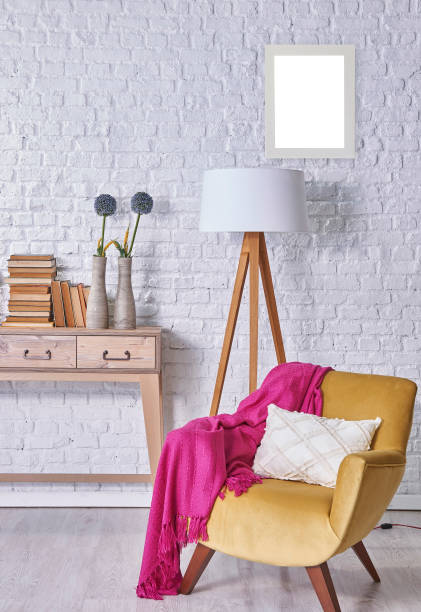
- Task Lighting: This is focused light for specific activities, like a reading lamp by a chair. Ensure this functional light complements the overall festive scheme.
- Accent Lighting: This is directional light used to highlight architectural features, artwork, or decorative objects. Use small spotlights to draw attention to your beautifully arranged lampshade clusters or the patterns they create.
Reflective Surfaces: Amplifying the Glow with Mirrors and Metallics
Strategically placed reflective surfaces can double the impact of your lighting. Position a table lamp with a beautiful shade in front of a mirror to reflect both the lamp and its light, making the room feel brighter and larger. Incorporating metallic decor items—such as brass bowls, silver trays, or gold-threaded textiles—will catch and scatter the light from your lamps, adding a shimmering, festive sparkle throughout the space.
Step-by-Step Guide: Applying Small Lampshade Wraps
Small lampshade wraps are a fantastic and cost-effective way to instantly add a festive touch to existing fixtures, especially smaller lamps or chandelier bulbs. This hands-on approach allows for complete customization. Here is a clear process to follow for a professional result.
Gathering Your Materials
Before you begin, ensure you have everything you need. A well-prepared workspace will make the process smooth and enjoyable.
- Lampshade Frame: A small, bare wire lampshade frame (like a candelabra or shield frame).
- Fabric or Paper: Your chosen wrap material. Ensure it is wide and long enough to cover the frame with some overlap.
- Heat-Resistant Adhesive: Use a specialized lampshade glue or a high-tack fabric glue that can withstand the heat from a lightbulb.
- Measuring Tape & Scissors: For precise measurements and clean cuts.
- Clothespins or Binder Clips: To hold the material in place while the adhesive dries.
The Wrapping Process Explained
Follow these steps carefully for a taut, seamless finish.
- Measure and Cut: Lay your fabric or paper flat. Place the lampshade frame on its side and slowly roll it across the material, tracing the top and bottom edges as you go. Add about one inch of extra material on all sides for overlap and trimming. Cut out the traced shape.
- Apply Adhesive: Apply a thin, even line of adhesive to one of the vertical struts of the lampshade frame. Carefully press the edge of your fabric onto the glued strut, ensuring it is straight.
- Wrap the Frame: Tightly pull the fabric around the frame, smoothing it out as you go to eliminate any wrinkles or bubbles. Apply adhesive to the other vertical strut and press the overlapping fabric onto it, creating a clean seam.
- Secure the Edges: Apply adhesive to the top and bottom wire rings of the frame. Fold the excess fabric over the wires to the inside of the shade, pulling it taut. Use clothespins or binder clips to hold the fabric in place as the glue sets.
- Trim and Finish: Once the glue is completely dry, use a craft knife or sharp scissors to trim any excess fabric from the inside of the shade for a neat finish.
Frequently Asked Questions (FAQ)
- Q1: What type of lightbulb is best for creating a warm, festive atmosphere?
- For a warm and cozy glow, choose lightbulbs with a low color temperature, typically between 2200K and 2700K. These bulbs emit a yellowish, candle-like light. LED Edison-style bulbs are an excellent choice as they combine this warm aesthetic with energy efficiency and a long lifespan. Always use a dimmer to have full control over the brightness.
- Q2: Can I use dark-colored lampshades for a festive look?
- Absolutely. While lighter shades diffuse more light, dark-colored lampshades (like navy, emerald green, or burgundy) create a more dramatic and intimate mood. They are excellent for accent lighting, casting light primarily downwards and upwards rather than outwards. For a festive touch, choose dark shades with a metallic gold or silver interior lining, which will reflect the light beautifully and create a rich, warm glow.
- Q3: How do I safely clean delicate lampshades like starry silk?
- Delicate materials require gentle cleaning. For silk or other fine fabrics, avoid water and liquid cleaners. The best method is to use a soft-bristled brush or the upholstery attachment of a vacuum cleaner on its lowest setting to gently remove dust. For stubborn spots, a dry microfiber cloth can be used. Always disconnect the lamp before cleaning.
- Q4: How can I create a dreamy light-and-shadow effect without buying new lampshades?
- You can modify existing plain lampshades to create patterns. One simple method is to use a craft punch to create small perforations in a paper or cardstock shade. You can also use heat-resistant paint to add patterns. Another technique is to place objects, like a small plant with intricate leaves, between the lamp and the wall to cast interesting, organic shadows.
Reader boundary: This guide is for general editorial information only. Diving, marine-wildlife, environmental, lighting, electrical, appliance, plant-care, and home-installation topics should be checked against current standards, manufacturer instructions, local rules, and qualified professionals before practical use.