Pinnipeds of the North: Steller Sea Lions and Walruses
The Arctic and sub-Arctic waters host some of the most impressive marine mammals on the planet. Among these, the Steller sea lion and the walrus stand out as apex examples of adaptation to extreme environments. These animals are not merely inhabitants of the cold; they are masters of aquatic performance and social complexity.
The Steller Sea Lion: Performance Art in the Wild
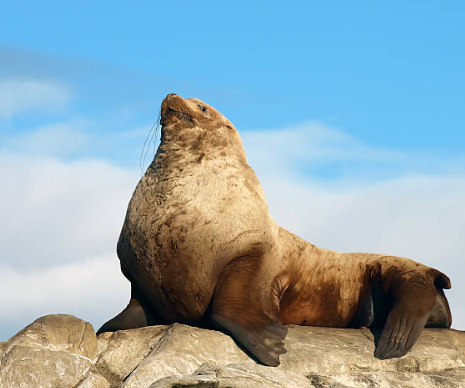
As the largest of the eared seals, the Steller sea lion exhibits remarkable agility. Their ability to maneuver through heavy surf is a testament to their evolutionary development. They utilize their flippers with precision, often engaging in “performance art” behaviors where they showcase strength and social hierarchy within their rookeries.
- Physical Prowess: Males can weigh upwards of 2,000 pounds, yet they remain incredibly agile in the water.
- Social Dynamics: Rookeries are highly structured, with dominant males defending territories against rivals.

The Heavyweight Star of the Arctic: The Walrus
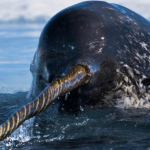
The walrus is the undisputed heavyweight champion of the Arctic. Characterized by their iconic tusks and thick blubber, these animals are essential to the polar ecosystem. Their survival depends on sea ice, which serves as a platform for resting and birthing.
Ecological Significance of Tusks and Blubber
The tusks, which are elongated canine teeth, are used for hauling their massive bodies onto ice floes and for social displays. Their blubber layer acts as a critical insulation mechanism, allowing them to thrive in near-freezing temperatures where most other mammals would perish.
| Feature | Steller Sea Lion | Walrus |
|---|---|---|
| Primary Habitat | Coastal/Rocky | Arctic Sea Ice |
| Key Adaptation | Agile Flippers | Insulating Blubber |

Longevity and Conservation: Sea Turtles and Manatees
While some marine giants thrive in cold, others like the sea turtle and the manatee face unique challenges related to human interaction and environmental longevity. Sea turtles are known for their incredible lifespans, often living for decades and traversing entire oceans to return to their natal beaches.
The Delicate Balance of Manatees
Manatees, often called “sea cows,” have transitioned from being misunderstood creatures hunted by early explorers to symbols of marine conservation. Their slow metabolism and dependence on coastal seagrass beds make them extremely vulnerable to boat strikes and habitat degradation.

Hidden Predators and Elves: Sea Snakes and Harbour Porpoises
The ocean is also home to specialized hunters and elusive mammals. Sea snakes play a vital role in the food web, controlling fish populations in tropical reef ecosystems. Conversely, the harbour porpoise—the “little elf” of the ocean—remains one of the most elusive and intelligent cetaceans, often avoiding human contact while navigating complex coastal environments.
Frequently Asked Questions (FAQ)
- Q1: How do Steller sea lions handle extreme cold?
- They utilize a combination of a thick layer of blubber and a dense coat of fur, coupled with a highly efficient vascular system that directs blood flow to essential organs.
- Q2: Why are manatees considered vulnerable species?
- Manatees are slow-moving and inhabit shallow coastal waters, putting them at high risk for collisions with watercraft and loss of their primary food source, seagrass.
- Q3: How long can sea turtles actually live in the wild?
- Many sea turtle species can live for 50 to 80 years, or even longer, depending on the species and their ability to reach adulthood, which is a rare feat due to high predation rates of hatchlings.
- Q4: What is the primary role of sea snakes in the ocean?
- Sea snakes act as top-tier predators in their specific niches, keeping fish populations in check and maintaining the health of coral reef ecosystems.
Reader boundary: This guide is for general editorial information only. Diving, marine-wildlife, environmental, lighting, electrical, appliance, plant-care, and home-installation topics should be checked against current standards, manufacturer instructions, local rules, and qualified professionals before practical use.