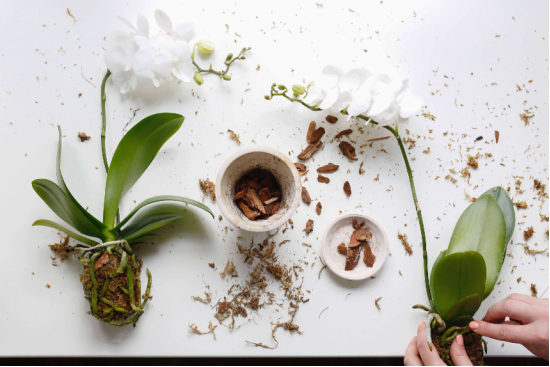
Have you ever stopped at a flower market, captivated by the blooming orchids? Their elegant forms and delicate petals seem like masterpieces of nature. Orchids, hailed as the “Queen of Flowers,” often inspire awe with their beauty and nobility. However, getting an orchid to bloom at its most perfect is no easy feat. It requires you to be more than just a simple plant caretaker; you must be a “patient artist,” respecting its growth rhythm and patiently awaiting its flowering season.
You may have wondered: Why are my orchid leaves turning yellow? Why isn’t it blooming? Why do I water and fertilize it every day, yet I never see the flowers I’ve been longing for? Actually, orchid care isn’t as easy as other plant cultivation; it requires more meticulous observation and respect for its growth rhythm. This isn’t a race against time, but a process of growing together with nature and patiently waiting for each other.
I. Understanding the growth patterns of orchids: Respecting each stage
Orchids are plants native to tropical and subtropical regions, and their unique growth habits often confuse novice plant enthusiasts. Have you ever tried providing them with too much water and fertilizer, only to find that they still don’t perform as expected? This is precisely the mistake many people make—orchids don’t like excessive interference; their growth rhythm needs to follow natural laws. Give them time and space, and you’ll see their most beautiful bloom.
1.1 Growth cycle: From leaf to flower, wait patiently
The orchid’s growth cycle is divided into several stages: the growth period, the dormancy period, and the flowering period. Each stage is crucial in its growth process. The growth period is when the orchid accumulates energy and prepares for its full potential; during this time, its leaves and roots grow continuously. The arrival of the flowering period is the reward for all its efforts.
You might ask, “How do I know when it enters dormancy, and when is the best time to water and fertilize?” Actually, orchids will tell you through natural signals. During its growing season, it will be vibrant, with healthy and lush leaves; but when it enters dormancy, the leaves become relatively still, growth slows down, and its need for water and nutrients is greatly reduced. Overwatering and overfertilizing will not only fail to make it grow better, but will also disrupt its natural rhythm, causing problems such as root rot.
1.2 Respecting the dormancy period: Rest is also a form of wisdom
Many orchid growers hope their orchids will maintain vigorous growth throughout the year. However, like humans, orchids also need rest. Their dormancy period often occurs during the colder seasons, when the orchid enters a period of decline and growth almost stops. You might feel like it has suddenly “disappeared,” but it is precisely during this “dormant” period that it is accumulating energy for its next bloom.
Dormancy doesn’t mean stopping care entirely; it means reducing watering, keeping the soil slightly moist to prevent the plant from rotting due to overwatering. During this time, the orchid’s nutrient requirements decrease, so fertilization should also cease. After entering dormancy, keep the environment as dry and clean as possible, avoiding excessive moisture, to help it recover better and prepare for the new growth cycle.
II. Refined Maintenance: Fine-tuning of water, light, and temperature
You might think that caring for orchids is simply a matter of watering and fertilizing, but the reality is far more complex than you imagine. Managing water, light, and temperature are all crucial factors for an orchid’s healthy growth and blooming. You might sometimes wonder: why are your orchids not blooming, and why do their leaves lack that natural luster? Will giving them more water and fertilizer solve the problem?
2.1 Water control: Water sparingly and avoid waterlogging.
Orchid roots are very sensitive to water requirements, and waterlogging is their biggest enemy. You may have watered your orchid immediately when the soil appears dry, only to cause root rot. In fact, orchids prefer the “water when dry” method. That is, water only when the soil surface is dry. Remember to ensure that water drains quickly from the bottom of the pot to prevent the roots from remaining in a constantly damp environment.
During the flowering period, orchids require special care regarding their water needs. Excessive water can cause the flowers to rot or even wither prematurely. Therefore, proper watering is crucial for the health of orchids. You can check the soil weekly to ensure it’s not overwatered.
2.2 Light: Adequate sunlight is key
Orchids prefer bright environments but do not like direct sunlight. You might think that “the stronger the sunlight, the better the orchid will grow,” but in fact, excessive sunlight can cause leaf burn and affect its healthy growth. The ideal lighting conditions are bright, diffused light, or indirect sunlight from a windowsill.
If your orchid doesn’t receive enough light for a long time, its leaves may become dull, its growth slow, and it may even stop blooming. You might wonder, “How can it bloom without enough sunlight?” Actually, orchids need a proper combination of light and temperature to bloom. Providing it with plenty of indirect light and avoiding direct sunlight can effectively promote its healthy growth.
2.3 Temperature: Stable temperatures are more conducive to growth.
Orchids have relatively strict temperature requirements, preferring a warm and humid environment. The ideal temperature range is between 20°C and 28°C. Temperatures that are too high or too low will affect their normal growth, even causing them to enter dormancy prematurely or preventing them from flowering successfully.
Especially in winter, you need to pay special attention to temperature changes. Cold temperatures may cause orchids to stop growing, delay flowering, and even damage their roots. To avoid excessive temperature differences, it is best to place orchids in a warm indoor environment and avoid direct drafts.
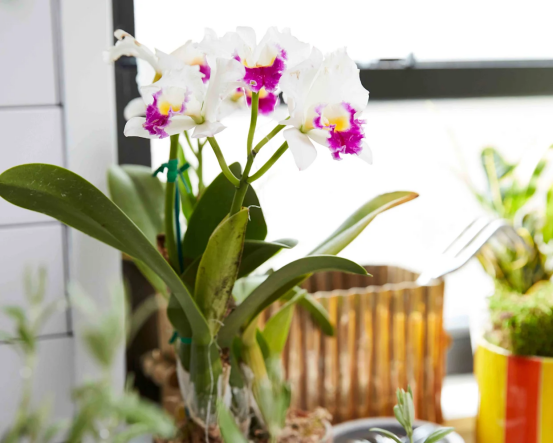
III. Waiting patiently for the flowering period: Patience is the orchid’s best companion.
“The flowering season is always the most anticipated moment.” For orchid enthusiasts, waiting for the flowering season is undoubtedly a test of patience and care. Have you ever felt doubtful because your orchids haven’t produced flower buds for a long time, or even wondered if you were growing them incorrectly? In fact, orchid flowering does not happen out of thin air; it is closely related to the plant’s growth cycle and changes in environmental conditions.
3.1 Observe details and avoid excessive interference.
Many people worry that orchids will stop blooming and thus frequently “interfere” with their growth, such as constantly adjusting the soil, overwatering, and repotting. In fact, this “over-concern” will disrupt its growth rhythm and put unnecessary stress on the orchid.
Allowing orchids to grow according to their natural rhythms and giving them enough time is the most effective secret to making them bloom. With proper light, warm temperatures, and adequate water, they will quietly bloom without you even noticing, bringing an unexpected surprise.
3.2 Care during the flowering period: Prolonging the blooming time
When an orchid finally blooms, its flowering period may not last very long. To prolong its blooms, avoid placing it in direct sunlight and wind, and minimize drastic environmental changes. Watering moderately, keeping the soil slightly moist, can also extend the flowering period.
Conclusion: Slowly walking through each season with orchids.
Cultivating orchids, like many beautiful things in life, requires care, patience, and time. Their blooming season may be far off, or not as you wish, but the blossoming of each orchid is worth the effort.
By respecting the orchid’s growth rhythm and avoiding a hasty approach, you will reap a beautiful harvest: a blooming orchid.
Wait patiently for it to bloom, give it time and space, and you will reap not only the beauty of the flowers, but also the joy of getting close to nature during this slow-growth process.