The Enduring Legacy: A Deep Dive into Luxembourg Gardens’ History
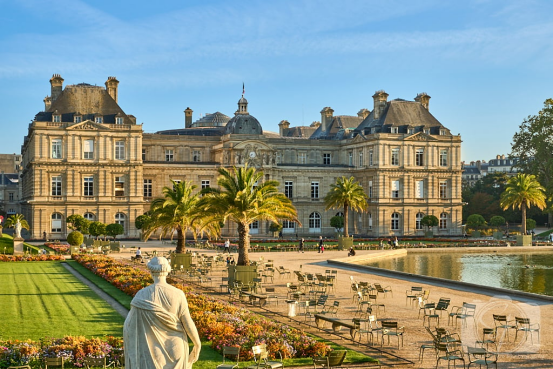
The Luxembourg Gardens, or Jardin du Luxembourg, stands as a verdant testament to Parisian history and landscape artistry. More than just a park, it is a living monument, deeply woven into the fabric of the city’s emotional and cultural memory. Conceived in the early 17th century by Marie de’ Medici, widow of King Henry IV, the gardens were designed to recreate the grandeur and serenity of her native Florence, specifically the Boboli Gardens. This initial vision laid the groundwork for a unique blend of formal French symmetry and picturesque Italianate charm that continues to captivate visitors and locals alike.
Initially part of the larger Luxembourg Palace estate, the gardens have witnessed centuries of transformation, reflecting the changing political and social landscape of France. From royal grounds to public park, its evolution mirrors the journey of Paris itself. Understanding its historical context is crucial to appreciating its current form and its profound significance to the Parisian identity. The gardens are not merely a backdrop; they are an active participant in the city’s narrative, holding countless personal and collective memories within their meticulously designed pathways and groves.
Origins and Marie de’ Medici’s Vision
The genesis of the Luxembourg Gardens dates back to 1612 when Marie de’ Medici acquired the land to build a residence reminiscent of her childhood home, the Pitti Palace in Florence. She commissioned Salomon de Brosse to design the palace and Tommaso Francini, a Florentine fountain maker and hydraulic engineer, to create the gardens. Francini’s work introduced Italian baroque garden elements to France, including terraces, grottoes, and elaborate water features, which were then relatively novel in French landscape design. This foundational period established the core aesthetic that would define the gardens for centuries.
Transformations Through the Centuries
Over the centuries, the gardens underwent several significant alterations. During the French Revolution, the property was confiscated and later became a public park, albeit with some parts used for administrative purposes. Napoleon Bonaparte, recognizing its importance, ensured its preservation and commissioned further enhancements, including the expansion of its botanical collections. The 19th century saw extensive redesigns under Baron Haussmann’s urban renewal projects, which, while modernizing Paris, also led to some reduction in the garden’s original footprint. Despite these changes, the fundamental character—a harmonious blend of nature, art, and public space—has been meticulously preserved, allowing its historical layers to coexist gracefully.

Architectural & Landscape Design: A Fusion of Styles
The spatial design of the Luxembourg Gardens is a masterclass in blending two distinct, yet complementary, horticultural philosophies: the structured grandeur of French formal gardens and the romantic artistry of Italian Renaissance gardens. This unique synthesis creates a landscape that is both orderly and inviting, grand and intimate, offering a diverse array of experiences within its expansive confines. The careful arrangement of elements—from geometric parterres to wilder, more naturalistic areas—speaks to a deep understanding of human perception and interaction with green spaces.
French Formal Garden Elements
The dominant influence in the main garden areas is undoubtedly French. This style, perfected at Versailles, emphasizes symmetry, order, and control over nature. Key characteristics include:
- Geometric Layouts: Perfectly manicured lawns, straight avenues, and precisely shaped flowerbeds create a sense of vastness and perspective.
- Axial Design: A strong central axis draws the eye, typically towards a significant architectural feature or a distant horizon, embodying rationalism and order.
- Parterres: Intricate patterns created with low hedges and colorful plantings, designed to be viewed from above, showcasing human artistry.
- Sculptural Integration: Numerous statues, often arranged symmetrically, serve as focal points and infuse the landscape with classical artistry and narrative.
Italian Renaissance Garden Influences
Marie de’ Medici’s Florentine roots are evident in several key features that provide a softer, more organic counterpoint to the French formality:
- Terraces and Levels: The natural slope of the land is utilized to create tiered sections, offering varied vantage points and a sense of discovery.
- Grottoes and Fountains: Features like the iconic Medici Fountain, with its mythological sculptures and naturalistic rockwork, evoke the dramatic and artistic flair of Italian gardens.
- Groves and Shaded Areas: Pockets of dense tree plantings offer cool retreats, contrasting with the open, sun-drenched French parterres.
- Water Features: Beyond aesthetic appeal, water plays a functional role in defining spaces and providing sensory engagement through sound and reflection.
Key Features and Their Significance
Beyond the stylistic fusion, specific elements contribute to the gardens’ unique character:
- The Grand Bassin: The large octagonal pond is a central feature, famous for children sailing model boats, symbolizing timeless innocence and play.
- The Medici Fountain: A baroque masterpiece, it’s not just a water feature but a sculptural ensemble telling a story, providing a romantic and contemplative spot.
- The Orangerie: A historical building housing citrus trees and other delicate plants during winter, reflecting the gardens’ botanical richness.
- The Beehives (Ruchers): An active apiary demonstrating a commitment to environmental education and sustainability, a subtle nod to nature’s productivity.

The Gardens as a Social Tapestry: Community and Connection
More than its stunning aesthetics and historical depth, the Luxembourg Gardens functions as a vibrant social tapestry, a “green lung” that breathes life into the heart of Paris. It’s a place where diverse segments of society converge, each finding their own rhythm and connection within its tranquil yet bustling confines. This collective use of space fosters a unique sense of community and shared experience, reinforcing its role as a vital urban commons.
A Hub for Leisure and Recreation
The gardens cater to a myriad of recreational activities, making it a democratic space accessible to all. Children flock to the playgrounds, carousel, and pony rides, while adults engage in games of chess, pétanque, or simply relax on the iconic green chairs. The Grand Bassin remains a timeless attraction for model boat enthusiasts, drawing generations together in simple, joyful pursuits. These activities are not just leisure; they are rituals that define Parisian life.
Cultivating Collective Memory and Identity
For many Parisians, the Luxembourg Gardens is more than a public park; it’s a repository of personal and collective memories. It’s the backdrop for first dates, family outings, quiet reflection, and moments of profound personal significance. This repeated engagement across different life stages imbues the gardens with a deep emotional resonance, transforming it into a symbol of continuity and belonging. The smell of freshly cut grass, the sound of children’s laughter, or the sight of specific statues can trigger powerful nostalgic feelings, linking individuals to a shared urban identity.
The Role of Green Spaces in Urban Well-being
The existence of such a vast and well-maintained green space within a dense urban environment like Paris is crucial for the psychological and physical well-being of its inhabitants. It offers respite from the city’s intensity, provides opportunities for physical activity, and fosters social interaction. Studies consistently show that access to green spaces reduces stress, improves mood, and enhances overall quality of life. The Luxembourg Gardens exemplifies how thoughtful urban planning can integrate nature to profoundly benefit public health and civic life.
Pro Tips for Experiencing Luxembourg Gardens Like a Local
To truly immerse yourself in the spirit of the Luxembourg Gardens, move beyond the typical tourist path and embrace the local way of life. Here are some expert recommendations:
- Arrive Early or Late: Beat the crowds by visiting right after opening or an hour before closing. The light is often softer, and the atmosphere more serene.
- Rent a Green Chair: Don’t just walk; sit and observe. Renting one of the iconic green metal chairs allows you to relax anywhere on the lawns (where permitted) and people-watch like a true Parisian.
- Explore the Hidden Corners: Venture beyond the central axis. Discover the Orangerie, the apiary, or the various statues dedicated to queens and artists in the less-trodden paths.
- Pack a Picnic: Grab some fresh bread, cheese, and wine from a local market and enjoy an impromptu picnic on the grass. It’s a quintessential Parisian experience.
- Visit the Musée du Luxembourg: Located within the gardens, this museum often hosts excellent temporary exhibitions, offering a cultural complement to your garden visit.
- Engage with the Activities: Watch a game of chess, observe the remote-control boats, or simply listen to the street performers. These small interactions add to the garden’s charm.
Comparative Analysis: French vs. Italian Garden Design at Luxembourg
The Luxembourg Gardens stands as a unique synthesis of two influential garden design philosophies. Understanding their distinct characteristics helps appreciate the deliberate choices made in its layout.
| Feature | French Formal Garden (e.g., Versailles Influence) | Italian Renaissance Garden (e.g., Boboli Influence) |
|---|---|---|
| Overall Layout | Symmetrical, geometric, axial, emphasizing order and control. | More organic, terraced, incorporating natural topography, emphasizing drama and discovery. |
| Water Features | Large, reflective canals; fountains as grand architectural statements. | Grottoes, cascades, elaborate sculptural fountains (e.g., Medici Fountain). |
| Vegetation Management | Highly manicured parterres, clipped hedges (topiary), extensive lawns. | Dense groves, cypress avenues, use of naturalistic planting, less emphasis on strict geometry. |