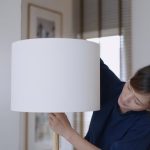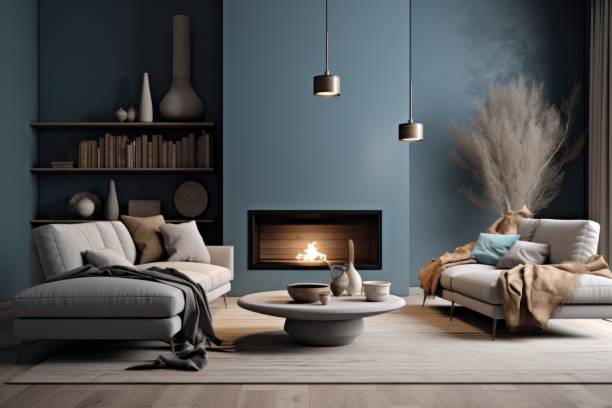
Often overlooked, the humble lampshade is one of the most powerful and versatile tools in an interior designer’s arsenal. It’s more than just a functional accessory to diffuse light; it’s a defining element that can set the tone, anchor a style, and completely transform the atmosphere of a space. Choosing the right lampshade involves a careful balance of proportion, material, color, and style. This definitive guide will walk you through every consideration, from the fundamental rules of sizing to the nuanced psychology of color, ensuring you can select the perfect lampshade to customize and elevate your home’s interior.
The Fundamental Principles of Lampshade Selection
Before diving into aesthetics and style, it’s crucial to master the basic principles of lampshade proportion. An incorrectly sized shade can make even the most beautiful lamp look awkward. Getting the measurements right ensures a balanced and harmonious look that feels intentional and professionally curated.
Getting the Size and Proportions Right
There are several key rules of thumb that designers follow to achieve perfect balance between a lamp base and its shade. These guidelines prevent the common pitfalls of a shade that is too large, too small, too tall, or too short.
- Shade Height: The height of the lampshade should be approximately two-thirds the height of the lamp base. This measurement should be taken from the bottom of the base to the bottom of the light bulb socket.
- Shade Width: The width (diameter) of the lampshade at its widest point should be roughly twice the width of the lamp base at its widest point. Another useful guideline is that the shade’s width should be at least half an inch wider than the base on each side.
- Harp and Fitter: Ensure the lampshade’s fitter is compatible with your lamp’s harp. When the shade is in place, the bottom of the shade should be low enough to completely conceal the harp and the socket, but not so low that it crowds the lamp base.
Matching Lampshade Shape to Lamp Base
The shape of the lampshade should complement the shape of the lamp base. A cohesive pairing creates a more unified and visually pleasing silhouette. While there is room for creativity, following these general pairings is a safe bet for a classic look.
- Round Bases: A round or square base is highly versatile but pairs best with a round or drum-shaped shade.
- Square or Angular Bases: For bases with sharp lines and a square or rectangular profile, a square, rectangular, or empire-style shade with straight sides is the ideal match.
- Slender Bases: Tall, thin lamp bases (like candlestick lamps) can support a variety of shapes, but a slightly wider drum or a classic empire shade often works best to provide balance.
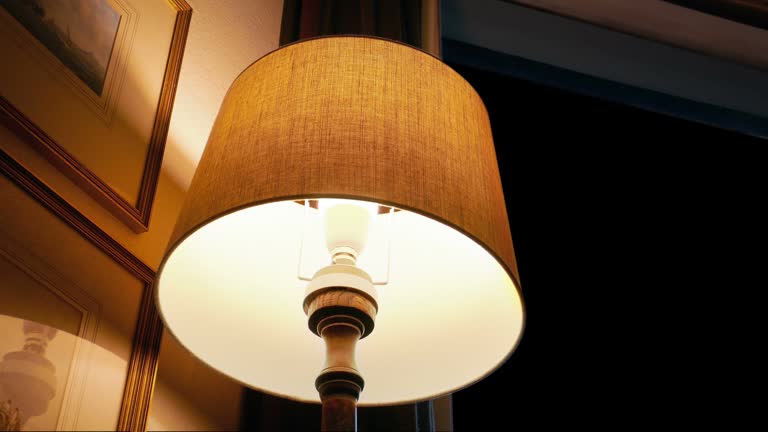
How Lampshades Define Your Home’s Ambiance
Once you’ve mastered the technical aspects of sizing, you can explore the artistic role of the lampshade. The material, color, and opacity of a shade directly control the quality and mood of the light it emits, fundamentally shaping the room’s ambiance.
The Role of Color and Light Temperature
The color of a lampshade dramatically affects the light it casts. A white or off-white shade will provide bright, clean illumination suitable for tasks and general lighting. In contrast, a colored shade will tint the light, creating a specific mood. A dark-colored shade, such as black or navy, will direct most of the light up and down, creating dramatic pools of light rather than ambient glow. This is ideal for creating accent lighting or a cozy, intimate atmosphere.
Material Matters: Fabric, Glass, Metal, and More
The material of the lampshade is just as important as its color. It influences both the style of the lamp and the texture of the light. Different materials offer unique aesthetic and functional qualities.
- Fabric Shades (Linen, Cotton, Silk): These are the most common and versatile. Linen and cotton offer a casual, textured look, while silk provides a more formal, luxurious feel with a subtle sheen.
- Paper and Parchment Shades: These offer a clean, minimalist aesthetic and diffuse light softly and evenly. They are a staple in Scandinavian and Japanese-inspired design.
- Glass Shades: Available in clear, frosted, or colored varieties, glass shades can range from vintage to ultra-modern. Frosted or opal glass provides excellent diffusion, while clear glass is often used with decorative bulbs.
- Metal Shades: Common in industrial and farmhouse styles, metal shades are completely opaque and direct light in a focused beam, making them perfect for task lighting over a desk or kitchen island.
Opacity vs. Translucency: Controlling Light Diffusion
The amount of light that passes through a lampshade is determined by its opacity. A translucent shade, like one made of white linen or frosted glass, will soften and diffuse the light, casting a warm, ambient glow throughout the room. An opaque shade, such as one made of dark fabric, metal, or wood, will block the light from passing through its sides, forcing it out of the top and bottom. This creates focused, directional light that is ideal for highlighting a specific area or reducing glare.
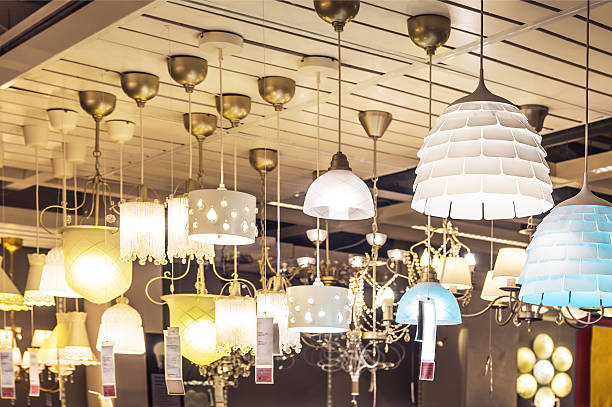
A Style-by-Style Guide to Choosing the Perfect Lampshade
To truly integrate a lamp into your decor, the lampshade must align with your home’s overarching style. Matching the shade to your existing aesthetic creates a cohesive and polished interior. Here’s how to select the right lampshade for some of today’s most popular design styles.
For the Minimalist: Nordic and Scandinavian Styles
Nordic design emphasizes simplicity, functionality, and natural elements. Lampshades in this style should be clean and uncluttered.
- Shapes: Simple drum or cone shapes are ideal.
- Materials: Opt for natural materials like light-colored linen, cotton, or paper. Light wood veneer shades also fit perfectly.
- Colors: Stick to a neutral palette of white, cream, gray, and other muted earth tones.
For the Urban Dweller: Industrial and Loft Styles
Industrial style draws inspiration from factories and warehouses, featuring raw materials and a utilitarian feel.
- Shapes: Look for functional shapes like domes, bowls, or wire cages.
- Materials: Raw or painted metal (like black, bronze, or copper) is the quintessential choice. Concrete and exposed hardware also work well.
- Details: Shades that expose the bulb, especially an Edison-style filament bulb, are a hallmark of this aesthetic.
For the Free Spirit: Bohemian and Eclectic Vibes
Bohemian decor is all about texture, pattern, and a relaxed, layered look. Lampshades are a perfect opportunity to add personality.
- Shapes: Any shape can work, but shades with interesting silhouettes or details are preferred.
- Materials: Embrace texture with rattan, wicker, macrame, or beaded shades. Fabrics with bold patterns, tassels, and fringe are also excellent choices.
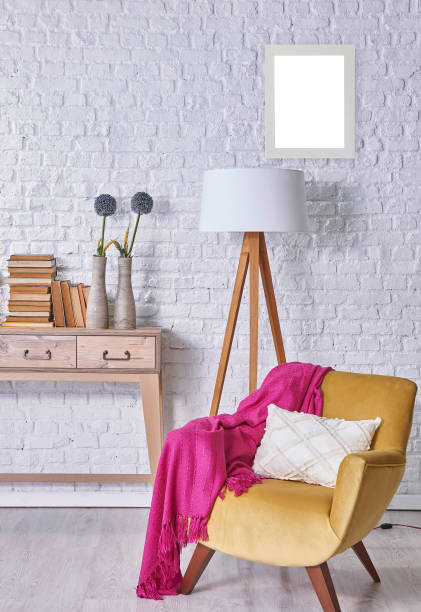
- Colors: Don’t be afraid of rich, warm colors like terracotta, mustard yellow, and deep greens.
The Art of Bedroom Lampshades for Better Sleep
In the bedroom, a lampshade’s function goes beyond aesthetics; it plays a crucial role in creating a restful environment conducive to sleep. The color and quality of light can significantly impact our circadian rhythms and overall sleep quality. Choosing the right lampshade is a key component of good sleep hygiene.
The Psychology of Warm-Colored Light
Scientific studies have shown that exposure to blue light in the evening can suppress the production of melatonin, the hormone that regulates sleep. To promote relaxation, it’s essential to use warm-colored light in the bedroom. A lampshade can help achieve this.
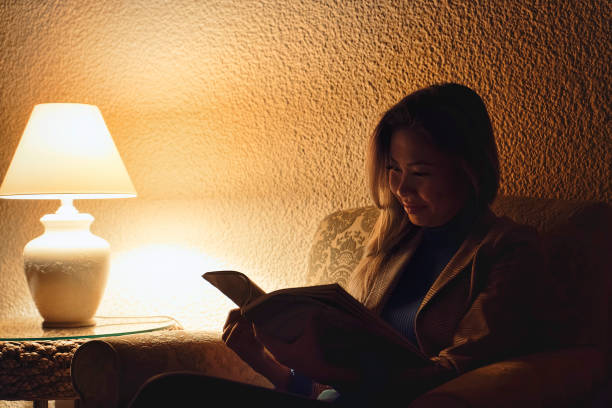
- Choose Warm-Toned Shades: Opt for lampshades in colors like cream, beige, soft yellow, or even a muted pink or orange. These colors will filter the light from the bulb, casting a warm, soothing glow that mimics the light of a sunset.
- Avoid Cool Tones: Steer clear of stark white, blue, or gray shades in the bedroom, as they can create a harsh, stimulating light that is counterproductive to sleep.
Material Recommendations for a Restful Atmosphere
The material of a bedroom lampshade should promote soft, diffused light to minimize harsh shadows and glare. The goal is to create a gentle ambiance that signals to your brain that it’s time to wind down.
- Fabric is Ideal: Tightly woven fabrics like linen, cotton, or a soft silk blend are excellent choices. They diffuse light beautifully, creating a soft and even illumination.
- Consider Lined Shades: A fabric shade with a gold or cream-colored lining will enhance the warmth of the light even further, creating an incredibly cozy and inviting atmosphere perfect for a bedroom sanctuary.
Advanced Tips for Lampshade Customization and Care
Once you’ve selected your lampshade, a few extra steps can elevate its look and prolong its life. Proper maintenance and a touch of customization can make your lighting feel truly unique and ensure it remains a beautiful feature in your home for years to come.
DIY and Customization Ideas
If you can’t find the perfect shade, or if you want to update an existing one, consider a simple DIY project. A plain drum shade is a blank canvas for creativity. You can easily add your own personal touch by applying new fabric with spray adhesive, adding trim or ribbon to the edges with a hot glue gun, or even hand-painting a unique design. This is a cost-effective way to create a one-of-a-kind piece that perfectly matches your decor.
Proper Cleaning and Maintenance
Lampshades are magnets for dust and debris, which can dim their light output and make them look dingy. Regular cleaning is essential to keep them looking their best.
- Fabric Shades: Use a soft-bristle brush, a lint roller, or the upholstery attachment of your vacuum cleaner to gently remove dust. For stains, spot-clean with a damp cloth and a mild detergent, testing on an inconspicuous area first.
- Hardback Shades (Paper/Parchment): These cannot be wet-cleaned. Simply wipe them down with a dry microfiber cloth to remove dust.
- Glass and Metal Shades: These can be wiped clean with a damp cloth. For glass, a standard glass cleaner will restore its shine.
Frequently Asked Questions (FAQ)
- How do I know if my lampshade is the right height?
- A good rule of thumb is that the bottom of the lampshade should be at eye level when you are seated next to it. This ensures the light source is shielded from your eyes, preventing glare while providing ample light for reading or other tasks.
- Can I put a wider lampshade on a narrow lamp base?
- While it’s possible, it’s generally not recommended. A lampshade that is significantly wider than its base can look top-heavy and unbalanced. The ideal width for a lampshade is about twice the width of the base to maintain visual harmony and stability.
- What is the best type of lampshade for maximizing light in a dark room?
- To maximize light output, choose a translucent shade in a light color, such as white or off-white. A drum or empire shape made from linen, cotton, or paper will diffuse light both horizontally and vertically, brightening up the entire space more effectively than an opaque or dark-colored shade.
- Are dark lampshades a bad idea for a living room?
- Not at all! Dark, opaque lampshades are excellent for creating mood and accent lighting. They direct light downwards and upwards, creating dramatic pools of light that can highlight a piece of art or a cozy reading corner. While not ideal for general room illumination, they are perfect for adding depth, drama, and intimacy to a living space.
- How often should I clean my lampshades?
- It is recommended to dust your lampshades weekly or bi-weekly as part of your regular cleaning routine. This prevents dust from building up and embedding into the fabric. A more thorough spot-cleaning should be done as needed, whenever you notice any smudges or stains.
Reader boundary: This guide is for general editorial information only. Diving, marine-wildlife, environmental, lighting, electrical, appliance, plant-care, and home-installation topics should be checked against current standards, manufacturer instructions, local rules, and qualified professionals before practical use.