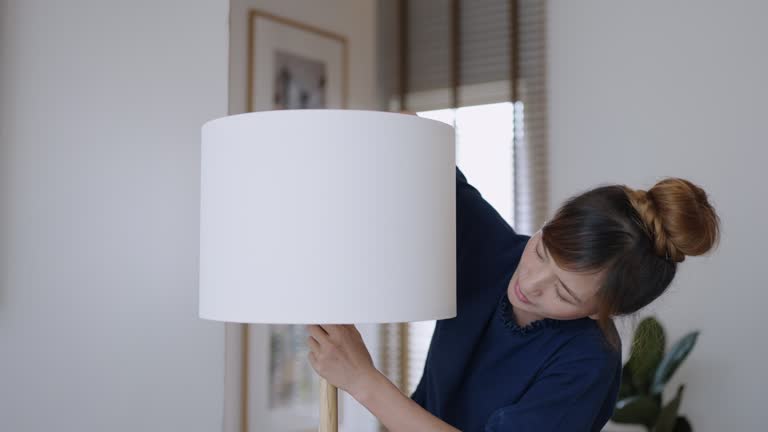
A lampshade is more than just a functional accessory; it is a crucial design element that dictates the mood and character of a room. The right shade can cast a warm, inviting glow, while the wrong one can create harsh lighting and a sense of visual imbalance. The challenge is magnified when shopping online, where you can’t see the product in person. Common pitfalls like incorrect sizing, color discrepancies, and mismatched styles can turn an exciting purchase into a frustrating return. This guide provides a detailed framework for selecting the perfect lampshade, ensuring your choice enhances both your lamp and your overall interior design.
The Foundation: Nailing Size and Proportion
The most frequent and jarring mistake in lampshade selection is incorrect proportion. A shade that is too large can overwhelm a delicate lamp base, while one that is too small looks comical and fails to provide adequate light. Achieving visual harmony requires careful measurement and adherence to established design principles.
The Golden Rules of Measurement
Interior designers follow several key guidelines to ensure a lampshade is perfectly scaled to its base. Before you begin shopping, take precise measurements of your lamp base and keep these rules in mind:
- Shade Height: The height of your lampshade should be approximately two-thirds (2/3) the height of the lamp base. The base height is measured from the bottom of the lamp to the base of the light socket.
- Shade Width: The widest part of the lampshade (usually the bottom diameter) should be at least twice the width of the widest part of the lamp base. This prevents the lamp from looking top-heavy or unstable.
- Harp Coverage: The bottom of the lampshade should be low enough to completely conceal the lamp’s hardware, including the harp and the socket. When seated, your eye level should be below the bottom edge of the shade to avoid glare from the bulb.
How to Accurately Measure Your Lamp
To apply the rules above, you need accurate measurements. Use a measuring tape for the following:
- Lamp Base Height: Measure from the very bottom of the lamp to the point just below the socket where the lampshade will sit. Do not include the harp in this measurement.
- Lamp Base Width: Identify the widest point of your lamp base and measure its diameter or width.
- Existing Harp Height: If your lamp has a harp (the U-shaped metal piece that holds the shade), measure its height from the two small caps it rests on up to the top of the threaded post. This determines the “drop” your shade’s fitter needs.
Common Sizing Mistakes and Their Visual Impact
Failing to measure properly leads to predictable and unsightly results. A shade that is too tall can make the lamp look gangly and unbalanced. A shade that is too short exposes the hardware and bulb, creating an unfinished look and uncomfortable glare. Similarly, a shade that is too narrow will feel constricted and out of place, while an overly wide shade can dominate the lamp and the surface it sits on.
Matching Shape and Style for a Cohesive Look
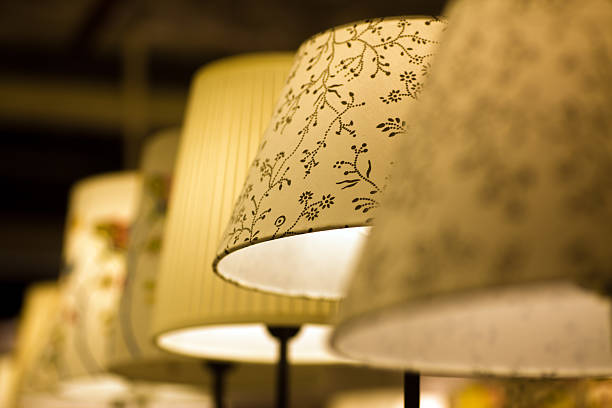
Beyond pure mathematics, selecting a lampshade is an aesthetic choice that must align with both the lamp base and the room’s decor. The shape of the shade should complement the shape of the base to create a unified and intentional design statement.
The Classic Pairing Principle: Base Shape Dictates Shade Shape
A time-tested design guideline is to match the geometry of the shade to the base. This creates a sense of continuity and visual logic. While rules can be broken for artistic effect, following these pairings is a safe bet for a beautiful result.
- Round Bases: A lamp with a round or curved base (like a vase or jug) pairs best with a round shade, such as a drum, empire, or bell shape.
- Square or Angular Bases: A lamp with a square, rectangular, or otherwise angular base looks most cohesive with a shade that has straight lines and corners, such as a square, rectangular, or hexagonal shape.
Aligning with Your Room’s Aesthetic
The lampshade is a powerful tool for reinforcing your room’s style. Consider the overall theme you are trying to achieve. A minimalist, modern room might call for a clean, white drum shade. A bohemian or rustic space could be enhanced by a shade made of natural linen, rattan, or a textured fabric. For a traditional or formal room, a pleated silk empire or bell shade adds a touch of classic elegance. Don’t let the lampshade become an afterthought; see it as an opportunity to tie the room together.
Understanding the Technical Details: Fitters and Hardware
One of the most overlooked but critical aspects of buying a lampshade is the fitter—the component that attaches the shade to the lamp. Ordering a beautiful shade with the wrong type of fitter will render it useless for your lamp. It is essential to identify the hardware your lamp uses before making a purchase.
Decoding Fitter Types: Spider, Uno, and Clip-On
There are three primary types of lampshade fitters used in residential lighting:
- Spider Fitter: This is the most common type. It consists of a metal washer at the top of the shade with several “arms” (spokes) radiating outwards. This washer sits on top of the lamp’s harp and is secured in place with a decorative finial that screws onto the harp’s threaded post.
- Uno Fitter: An Uno fitter is a large, threaded ring that is part of the shade itself. It is designed to screw directly onto the lamp’s socket, typically below the light bulb. This type is common on smaller table lamps, floor lamps, and swing-arm lamps where a harp is not used.
- Clip-On Fitter: This is the simplest fitter, designed for small accent lamps or chandeliers. It features a wire clip that is shaped to grip a standard torpedo or candelabra-style light bulb directly. No other hardware is needed.
How to Ensure You Order the Correct Attachment
Before you buy, examine your lamp closely. If it has a harp and finial, you need a spider fitter. If the shade attaches at the socket, you need an Uno fitter. If it’s a small lamp with a candelabra bulb and no other hardware, you likely need a clip-on. Ignoring this step is a guaranteed way to make a purchasing mistake.
Mastering Light and Ambiance Through Material and Color
The final layer of consideration is how the lampshade’s material and color will shape the light and contribute to the room’s atmosphere. This choice should be driven by the lamp’s primary function—whether it’s for reading, ambient lighting, or creating a dramatic accent.
The Science of Light Diffusion: Translucent vs. Opaque Shades
The material of the shade determines how light is distributed. A translucent shade, made from materials like white linen, cotton, or parchment paper, allows light to pass through the sides, casting a soft, diffuse glow that illuminates the entire room. This is ideal for ambient lighting. In contrast, an opaque shade, often made of metal, thick card, or dark-colored silk, blocks light from passing through the sides. It directs light in focused beams downwards and upwards, creating pools of light and dramatic shadows. This is perfect for task lighting or creating a moody, atmospheric effect.
Navigating Online Color Discrepancies
One of the biggest challenges of buying online is that screen colors can be highly misleading. A shade that appears to be a soft cream on your monitor could arrive as a stark white or a muddy beige. This is due to variations in screen calibration and the professional lighting used in product photography. To avoid disappointment:
- Read product descriptions and reviews carefully for color notes.
- If available, order fabric swatches before committing to a purchase.
- Understand that a colored shade will tint the light it emits. A blue shade will cast a cool, blue-toned light, which can fundamentally change the feel of your room.
Aligning the Shade with the Lamp’s Primary Function
Always ask: what is this lamp for? If it’s a bedside lamp for reading, you need a shade that directs light downward onto your book, but a slightly translucent material can also provide soft ambient light. If it’s a lamp in a living room corner meant to brighten the space, a large, white or off-white drum shade is an excellent choice for maximum light diffusion. Function should always inform your final decision on material and opacity.
Frequently Asked Questions (FAQ)
- What is the most common mistake when buying a lampshade online?
- The most common mistake is getting the size and proportion wrong. People often “eyeball” the size from a product photo instead of measuring their lamp base accurately. This leads to a shade that is too big or too small, creating a visually unbalanced look.
- How do I know what fitter type my lamp needs?
- Examine the area around your light bulb socket. If you see a U-shaped metal wire frame (a harp) held in place with a small screw-on cap (a finial), you need a shade with a spider fitter. If the shade needs to screw onto the socket itself, you need an Uno fitter. For small chandelier-style bulbs, you likely need a clip-on fitter.
- Can I put a square shade on a round lamp base?
- While the general rule is to match shapes (round with round, square with square), you can mix them for a more eclectic or modern look. Placing a square or rectangular shade on a round base is a deliberate design choice that can work well in contemporary settings. However, it requires a good eye for proportion to ensure the final look is intentional and not accidental.
- How much wider should a lampshade be than the lamp base?
- A reliable guideline is that the bottom diameter of the lampshade should be roughly twice as wide as the widest part of the lamp base. This ensures the lamp looks stable and well-proportioned. It also provides a wide enough base for the light to spread effectively.
- What color lampshade gives the most light?
- For maximum light output and room illumination, choose a shade in white or off-white made from a translucent material like linen, cotton, or simple paper. These shades allow the most light to pass through their sides, creating bright, evenly diffused ambient light.
Reader boundary: This guide is for general editorial information only. Diving, marine-wildlife, environmental, lighting, electrical, appliance, plant-care, and home-installation topics should be checked against current standards, manufacturer instructions, local rules, and qualified professionals before practical use.