Our lives are inextricably linked to technology. We upgrade our phones, laptops, and tablets at a dizzying pace, but what happens to the old devices we leave behind? This is the starting point for the global journey of electronic waste, or e-waste—a complex, often hidden, and environmentally critical issue. The story of your old phone is not just about disposal; it’s a tale of global economics, environmental justice, and a pressing need for a more sustainable, circular economy. This guide breaks down that journey, from your hands to its final, often hazardous, destination.
What is E-Waste and Why is it a Ticking Time Bomb?
Before we trace the path of a discarded device, it’s crucial to understand the scale and nature of the problem. E-waste is not just another category of trash; it’s the fastest-growing domestic waste stream in the world, packed with both valuable resources and hazardous materials.
Defining Electronic Waste (E-Waste)
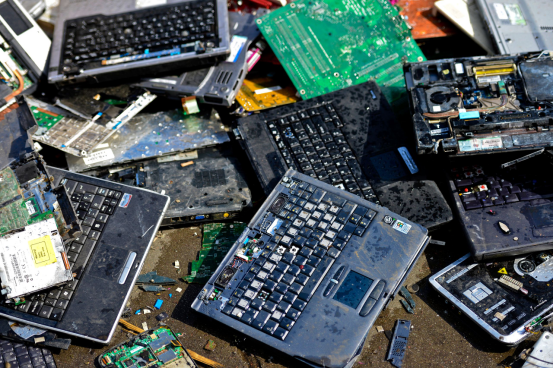
E-waste, or Waste Electrical and Electronic Equipment (WEEE), refers to any discarded products with a battery or a plug. This includes everything from smartphones, computers, and televisions to refrigerators and LED lightbulbs. The rapid innovation cycle in the tech industry means products become obsolete faster than ever, fueling an ever-growing mountain of discarded electronics.
The Hidden Dangers: Toxic Components in Everyday Devices
While our gadgets are sleek and safe during use, their internal components contain a cocktail of toxic substances. When these devices are improperly dismantled or left in landfills, these toxins can leach into the soil, water, and air, posing a severe threat to ecosystems and human health.
| Hazardous Material | Commonly Found In | Potential Health & Environmental Impact |
|---|---|---|
| Lead | Circuit boards, cathode ray tubes (old monitors) | Damages the nervous, circulatory, and reproductive systems. Highly toxic to plants and animals. |
| Mercury | Flat-panel displays, batteries, switches | A potent neurotoxin that can cause brain and kidney damage. Bioaccumulates in fish and wildlife. |
| Cadmium | Rechargeable batteries, semiconductors | A known carcinogen that can damage the lungs and kidneys. It is toxic to almost all life forms. |
| Brominated Flame Retardants (BFRs) | Plastic casings, circuit boards | Disrupts endocrine functions and can cause neurological problems. Persists in the environment for long periods. |

The Dark Side of E-Waste: The Global Trade and Informal Recycling
While many consumers believe their old electronics are safely recycled locally, a significant portion embarks on a global journey. This international trade is driven by complex economic factors, often leading to devastating consequences in developing nations.
The Economics of Export: Why E-Waste Travels the Globe
Developed nations often export e-waste under the guise of “donating” used electronics for reuse. However, much of this equipment is non-functional. The primary driver is economic: it is cheaper to ship waste to countries with lax environmental regulations and cheap labor than to process it safely at home. This practice outsources the environmental and health costs to the world’s most vulnerable populations.
Destination: Digital Dumpsites like Agbogbloshie
Places like Agbogbloshie in Accra, Ghana, have become infamous as digital graveyards. Here, thousands of workers, including children, dismantle e-waste in hazardous conditions. They burn plastic-coated cables to extract copper and use acid baths to recover gold from circuit boards, all without protective gear. This informal sector provides a livelihood but at an immense personal and environmental cost.
The Devastating Environmental and Human Impact
The consequences of informal e-waste processing are profound and far-reaching. The crude methods used to extract valuable materials release a torrent of pollutants that poison the local environment and its inhabitants for generations.
Contamination of Soil and Water Systems
Heavy metals like lead, mercury, and cadmium seep from the dumpsites into the soil, contaminating land used for agriculture. These toxins then enter local water sources, poisoning rivers and groundwater that communities rely on for drinking, cooking, and bathing.
Air Pollution and Respiratory Health Risks
The open burning of plastics and cables releases toxic fumes, including dioxins and furans, into the atmosphere. Residents and workers in these areas suffer from high rates of respiratory illnesses, skin conditions, and chronic diseases. The air becomes a toxic soup that is dangerous to breathe.
Shifting the Paradigm: Solutions to the E-Waste Crisis
Tackling the global e-waste crisis requires a multi-faceted approach, involving consumers, manufacturers, and governments. The goal is to shift from a linear “take-make-dispose” model to a circular one that prioritizes reduction, reuse, and responsible recycling.
The Circular Economy: Designing for Durability and Repair
A true long-term solution lies in the circular economy. This involves designing products that are durable, easy to repair, and simple to disassemble for recycling. Movements like the “Right to Repair” advocate for legislation that would require manufacturers to make spare parts and repair manuals available to consumers and independent repair shops.
Extended Producer Responsibility (EPR)
EPR is a policy principle that makes manufacturers responsible for the entire lifecycle of their products, including their final disposal. When companies are financially or physically responsible for recycling their old products, they are incentivized to design more sustainable and less toxic electronics from the start.
Expert Advice: A Checklist for Responsible E-Waste Disposal
As a consumer, your actions matter. Follow this checklist to ensure your old electronics don’t contribute to the global problem.
- Step 1: Reduce and Reuse. Before recycling, ask if the device can be repaired or upgraded. Consider donating functional electronics to charities or selling them on a second-hand market.
- Step 2: Back Up and Wipe Your Data. Before handing over any device, back up your important files and perform a factory reset to completely wipe your personal information.
- Step 3: Find a Certified Recycler. Do not put e-waste in your regular trash. Look for recyclers certified by standards like e-Stewards or R2. These certifications ensure the recycler adheres to strict environmental and data security standards and does not export hazardous waste.
- Step 4: Check for Manufacturer and Retailer Take-Back Programs. Many major electronics brands and retailers (like Apple, Dell, and Best Buy) offer free take-back and recycling programs for their old products.
- Step 5: Support Companies with Sustainable Practices. When purchasing new electronics, research and support brands that are transparent about their supply chains, use recycled materials, and design for repairability.
Frequently Asked Questions (FAQ)
- Why can’t I just put my old phone in the regular trash?
- Putting e-waste in the trash is extremely harmful. It ends up in landfills where toxic heavy metals like lead and mercury can leach out and contaminate soil and groundwater. Furthermore, valuable and non-renewable resources like gold, silver, and copper are lost forever instead of being recovered.
- How can I find a certified e-waste recycler near me?
- Several online resources can help you locate a responsible recycler. Websites for the e-Stewards and R2 certification programs have search tools to find certified facilities in your area. Additionally, the EPA’s website provides information on local recycling events and drop-off locations.
- What is the “Right to Repair” movement and how does it help?
- The Right to Repair is a global movement advocating for laws that would require manufacturers to provide consumers and independent repair shops with access to parts, tools, and service information. This helps combat planned obsolescence, extends the life of devices, saves consumers money, and significantly reduces the amount of e-waste generated.
- Are refurbished electronics a good way to combat e-waste?
- Absolutely. Buying refurbished electronics is one of the most effective ways to support a circular economy. It extends the useful life of a device, reducing the demand for new manufacturing and preventing a perfectly functional item from becoming waste prematurely.
Reader boundary: This guide is for general editorial information only. Diving, marine-wildlife, environmental, lighting, electrical, appliance, plant-care, and home-installation topics should be checked against current standards, manufacturer instructions, local rules, and qualified professionals before practical use.