Understanding Eco-Anxiety: Definition and Core Symptoms
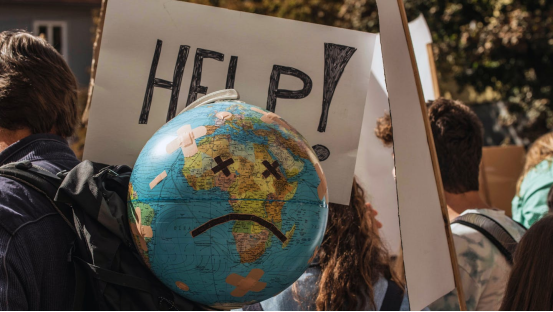
Eco-anxiety, also known as climate anxiety, is a profound and growing psychological distress related to the existential threat of ecological disaster and climate change. It’s not merely a fleeting worry but a chronic fear of environmental doom, encompassing concerns about the future of the planet, the well-being of future generations, and the potential loss of natural habitats and species. This anxiety manifests as feelings of helplessness, grief, anger, and despair, often exacerbated by a sense of powerlessness in the face of overwhelming global challenges.
What Exactly is Eco-Anxiety?
At its core, eco-anxiety is a rational response to a real threat. Unlike generalized anxiety disorder, which can sometimes lack a clear external trigger, eco-anxiety is directly linked to the observable and projected impacts of climate change: rising sea levels, extreme weather events, biodiversity loss, and resource depletion. It represents a form of anticipatory grief for what has been lost and what is expected to be lost, coupled with a deep moral concern for the planet’s future. The “why” behind its emergence is clear: undeniable scientific consensus, increased media coverage of climate disasters, and a growing personal experience of environmental degradation contribute to a collective consciousness of crisis.
Identifying the Core Symptoms
The symptoms of eco-anxiety can vary widely among individuals, ranging from mild unease to debilitating distress. Recognizing these signs is the first step towards effective coping. Common psychological and emotional symptoms include:
- Persistent worry or fear about environmental issues.
- Feelings of sadness, grief, or loss related to environmental destruction (often termed “climate grief”).
- Helplessness, powerlessness, or a sense of doom.
- Anger or frustration at perceived inaction from governments, corporations, or society.
- Guilt or shame about one’s own environmental footprint.
- Existential dread about the future of humanity and the planet.
- Difficulty concentrating or sleeping due to climate-related thoughts.
- Increased irritability or panic attacks when exposed to climate news.
Physical manifestations can also occur, such as fatigue, changes in appetite, muscle tension, and heightened stress responses, mirroring symptoms of other anxiety disorders. Understanding these symptoms is crucial, as it validates the experience and opens pathways for support.

The Psychological Roots and Rising Tide of Climate Distress
The rise of eco-anxiety is not an isolated phenomenon; it’s deeply intertwined with our psychological relationship to nature, our sense of security, and the perceived breakdown of global systems. Understanding its roots requires looking beyond immediate environmental threats to the broader context of human psychology and societal change. Historically, humans have always been connected to their environment, but the scale and speed of current changes are unprecedented, leading to unique psychological challenges.
The “Why” Behind Growing Climate Distress
Several factors contribute to the escalating prevalence of eco-anxiety:
- Increased Scientific Consensus and Awareness: Decades of scientific research have solidified the reality and urgency of climate change, making it harder to ignore. Access to information through global media amplifies this awareness.
- Personal Experience of Climate Impacts: More individuals are directly experiencing extreme weather events, wildfires, floods, and droughts, making the threat tangible and immediate.
- Perceived Governmental and Corporate Inaction: A profound sense of frustration and betrayal arises from the perception that leaders are not adequately addressing the crisis, leading to feelings of powerlessness and existential despair.
- Intergenerational Equity Concerns: Younger generations, in particular, bear the brunt of future climate impacts, leading to unique anxieties about their future and the legacy they inherit.
- Media Saturation and Doomscrolling: Constant exposure to alarming climate news can overwhelm individuals, leading to a cycle of fear and hopelessness.
Key Psychological Concepts and Terms
The field of environmental psychology has introduced several terms to articulate the nuances of climate-related distress:
- Solastalgia: Coined by philosopher Glenn Albrecht, solastalgia describes the distress caused by environmental change impacting one’s home or cherished landscape. It’s a form of homesickness experienced while still at home, as the familiar environment itself changes beyond recognition.
- Climate Grief: This refers to the emotional response to losses associated with climate change, including the loss of ecosystems, species, cultural practices, and a sense of a stable future. It mirrors traditional grief but is often disenfranchised, as society may not fully acknowledge its legitimacy.
- Ecological Grief: A broader term than climate grief, encompassing the sorrow and mourning for the degradation and loss of the natural world, regardless of whether it’s directly attributable to climate change.
- Environmental Justice: While not a psychological term for distress, the concept of environmental justice highlights how the impacts of climate change disproportionately affect marginalized communities, exacerbating their stress and anxiety due to existing social inequalities. Understanding this context adds a layer of moral distress for many.
These concepts help validate the complex emotional responses individuals experience, moving beyond simple anxiety to acknowledge profound grief, loss, and moral injury.
Navigating the Impacts of Eco-Anxiety on Mental Well-being
The pervasive nature of eco-anxiety means its effects can ripple through various aspects of an individual’s life, impacting not just emotional states but also daily functioning, relationships, and overall quality of life. Without effective coping mechanisms, these impacts can become chronic and debilitating.
Specific Impacts on Mental Health
Beyond the general symptoms, eco-anxiety can lead to more specific and severe mental health challenges:
- Increased Risk of Depression: Persistent feelings of hopelessness and powerlessness can escalate into clinical depression, marked by a loss of interest in activities, changes in sleep and appetite, and pervasive low mood.
- Impaired Daily Functioning: For some, the overwhelming nature of climate concerns can make it difficult to focus on work, studies, or personal responsibilities, leading to decreased productivity and engagement.
- Social Withdrawal and Isolation: Individuals may withdraw from social interactions, either due to feeling misunderstood by those who don’t share their level of concern or out of a desire to avoid climate-related discussions that trigger distress.
- Impact on Relationships: Differences in climate concern can create friction in relationships with family and friends, leading to arguments or a sense of alienation.
- Existential Crisis: Facing the potential collapse of ecological systems can trigger profound questions about the meaning of life, human purpose, and the future of existence, leading to significant existential distress.
Populations Most Affected
While eco-anxiety can affect anyone, certain populations are particularly vulnerable:
- Younger Generations (Gen Z and Millennials): Often dubbed “climate generation,” these groups have grown up with the full weight of climate change knowledge and face the longest future under its impacts, leading to higher rates of eco-anxiety.
- Environmental Professionals and Activists: Those working directly on climate issues often experience “burnout” or “vicarious trauma” due to constant exposure to climate data, suffering, and the slow pace of change.
- Indigenous Communities: These communities often have deep cultural and spiritual ties to the land and are disproportionately affected by climate change, leading to profound grief for ancestral lands and traditions.
- Individuals in Climate-Vulnerable Regions: People living in areas prone to extreme weather events (e.g., coastal communities, drought-stricken agricultural regions) experience higher levels of direct threat and associated anxiety.
Recognizing these differential impacts is key to providing targeted support and understanding the complex interplay between environmental threats and mental well-being.
Effective Coping Strategies: From Individual Resilience to Collective Action
Coping with eco-anxiety requires a multi-faceted approach that addresses both individual psychological needs and the broader societal context of climate change. It’s about finding a balance between acknowledging the reality of the crisis and fostering hope and agency.
Individual Strategies for Building Resilience
Developing personal resilience is fundamental. These strategies focus on managing emotional responses and maintaining mental well-being:
- Mindfulness and Grounding Techniques:
- Engage in practices like meditation, deep breathing exercises, or spending time in nature (even small green spaces) to stay present and reduce overwhelming thoughts about the future. Focus on sensory details to anchor yourself in the moment.
- Limiting Media Exposure:
- While staying informed is important, constant exposure to negative climate news can be detrimental. Set boundaries for news consumption, choose reliable sources, and avoid “doomscrolling.”
- Practicing Self-Compassion:
- Acknowledge that your feelings are valid and understandable. Avoid self-blame or guilt, and treat yourself with the same kindness you would offer a friend experiencing distress.
- Connecting with Nature:
- Spending time in nature has proven mental health benefits. Foster a personal connection to the environment you are trying to protect, reminding you of the beauty and value of the natural world.
- Seeking Professional Support:
- If eco-anxiety becomes debilitating, a therapist or counselor specializing in climate-aware therapy can provide tools and strategies to manage distress, process grief, and build coping skills.
Collective and Systemic Approaches
Individual coping is vital, but eco-anxiety also calls for collective responses. Engaging with others and contributing to solutions can transform feelings of helplessness into empowerment:
- Join or Support Environmental Groups:
- Active participation in climate advocacy groups, conservation efforts, or community initiatives can provide a sense of purpose and demonstrate that you are part of a larger movement. Collective action fosters solidarity and reduces isolation.
- Advocate for Policy Change:
- Engage in civic action by contacting elected officials, participating in peaceful protests, or supporting policies that address climate change. This shifts focus from individual guilt to systemic responsibility.
- Community Building:
- Connect with like-minded individuals to share feelings, support each other, and brainstorm local solutions. Forming “climate cafes” or support groups can create safe spaces for processing emotions.
- Education and Awareness:
- Educating yourself and others about climate solutions, sustainable practices, and the science behind climate change can empower individuals and build collective knowledge, shifting the narrative from doom to actionable hope.
Pro Tips for Sustained Well-being
- Find Your Niche: You don’t have to do everything. Identify one or two areas where you can make a meaningful contribution, whether it’s local activism, sustainable living, or supporting climate-friendly businesses.
- Celebrate Small Victories: Acknowledge progress, no matter how small. Every tree planted, policy passed, or sustainable choice made contributes to the larger effort and can combat feelings of hopelessness.
- Cultivate “Active Hope”: This concept, developed by Joanna Macy, involves actively participating in the creation of a better world, rather than passively hoping for it. It’s about acting despite uncertainty, fueled by compassion and connection.
- Practice Digital Detoxes: Regularly step away from screens and news feeds to reconnect with your immediate surroundings and personal relationships.
Comparison: Individual vs. Collective Coping Strategies
| Aspect | Individual Coping Strategies | Collective Coping Strategies |
|---|---|---|
| Primary Focus | Managing personal emotional and psychological distress. | Addressing systemic issues and fostering community resilience. |
| Key Actions | Mindfulness, self-care, limiting media, seeking therapy, connecting with nature. | Activism, advocacy, community organizing, supporting environmental groups, education. |
| Benefit to Self | Reduces personal anxiety, builds emotional resilience, improves mental health. | Fosters a sense of agency, reduces isolation, builds solidarity, transforms despair into action. |
| Benefit to Environment | Indirect (through sustainable lifestyle choices). | Direct (through policy change, conservation, large-scale impact). |
| Potential Pitfall | Can lead to isolation if not balanced with collective action; individual burden. | Can lead to burnout if personal well-being is neglected; potential for frustration with slow progress. |
Building Hope and Fostering Environmental Well-being
Moving beyond coping, the ultimate goal is to cultivate a sense of active hope and foster long-term environmental well-being. This involves a fundamental shift in perspective, recognizing that while the challenges are immense, human ingenuity and collective will also hold immense power for positive change.
The Power of Active Hope
Active hope is not naive optimism; it is a conscious decision to engage with the world, taking action for what you hope will happen, even when the outcome is uncertain. It’s a dynamic process that involves:
- Acknowledging the Reality: Fully seeing the challenges and suffering without turning away.
- Drawing on Inner Resources: Tapping into personal strengths, values, and resilience.
- Taking Action: Engaging in practical steps, no matter how small, that align with your vision for a better world.
This approach transforms passive despair into empowered engagement, allowing individuals to contribute meaningfully while safeguarding their mental health.
Fostering Environmental Well-being
Environmental well-being extends beyond simply avoiding eco-anxiety; it’s about cultivating a healthy, reciprocal relationship with the natural world. This includes:
- Reconnecting with Nature: Regularly immersing oneself in natural environments, fostering biophilia (the innate human tendency to connect with nature).
- Practicing Eco-Spirituality: For some, finding spiritual meaning or connection in the natural world can provide comfort, purpose, and a deeper sense of belonging.
- Supporting Regenerative Practices: Engaging with or advocating for practices that heal and restore ecosystems, such as regenerative agriculture, rewilding, and sustainable resource management.
- Promoting Environmental Education: Empowering future generations with knowledge and skills to understand and protect the environment, instilling a sense of responsibility and hope.
Checklist for Building Personal Resilience and Hope
- [ ] Acknowledge and validate your feelings about climate change.
- [ ] Set boundaries for climate news consumption.
- [ ] Engage in regular mindfulness or grounding practices.
- [ ] Spend dedicated time in nature each week.
- [ ] Connect with at least one community group focused on environmental action.
- [ ] Identify one specific climate action you can take this month.
- [ ] Practice self-compassion and avoid excessive guilt.
- [ ] Seek support from friends, family, or professionals when needed.
- [ ] Focus on solutions and positive stories of environmental progress.
- [ ] Cultivate a sense of gratitude for the natural world.
By integrating these individual and collective strategies, we can transform eco-anxiety from a paralyzing fear into a powerful motivator for positive change, fostering both personal well-being and a healthier planet.
Frequently Asked Questions (FAQ)
- What is the difference between eco-anxiety and general anxiety?
- While both involve feelings of worry and dread, general anxiety can have various triggers or no specific trigger. Eco-anxiety is specifically linked to concerns about environmental degradation and climate change. It’s a rational response to a real, external threat, often accompanied by feelings of grief or helplessness regarding the planet’s future.
- Is eco-anxiety a recognized clinical diagnosis?
- No, eco-anxiety is not currently listed as a formal diagnosis in the DSM-5 (Diagnostic and Statistical Manual of Mental Disorders). However, its symptoms can be severe enough to warrant clinical attention and are often addressed within the framework of existing anxiety or mood disorders by climate-aware therapists.
- How can I talk to friends or family who don’t seem concerned about climate change?
- Focus on finding common ground and shared values rather than debating facts. Discuss how climate impacts might affect things they care about (e.g., local economy, health, children’s future). Listen actively to their concerns, share your feelings without judgment, and avoid shaming. Sometimes, simply demonstrating your own actions can be more persuasive than words.
- What if I feel completely overwhelmed and powerless?
- These feelings are common with eco-anxiety. Start by acknowledging and validating them. Then, break down the problem into manageable steps. Focus on actions you *can* take, however small, whether it’s personal sustainable choices, engaging with a local group, or seeking professional support. Connecting with others who share your concerns can also significantly reduce feelings of isolation and powerlessness.
- Can children experience eco-anxiety? How can parents help?
- Yes, children and adolescents are increasingly experiencing eco-anxiety. Parents can help by openly discussing climate change in an age-appropriate way, validating their children’s feelings, and emphasizing solutions and actions being taken. Encourage their connection with nature, involve them in sustainable practices, and provide opportunities for them to contribute to environmental efforts, fostering a sense of agency and hope.
Reader boundary: This guide is for general editorial information only. Diving, marine-wildlife, environmental, lighting, electrical, appliance, plant-care, and home-installation topics should be checked against current standards, manufacturer instructions, local rules, and qualified professionals before practical use.