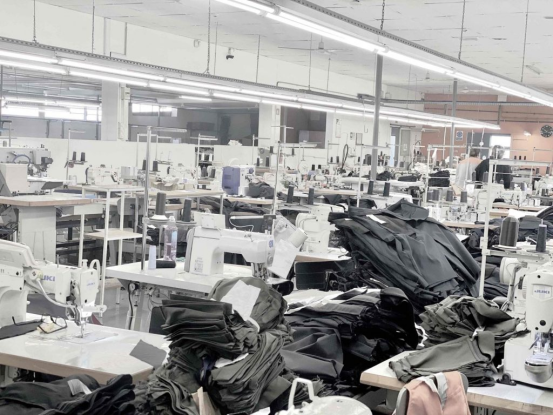
The modern clothing industry has undergone a radical transformation over the last two decades. What was once a seasonal business has morphed into a continuous cycle of production known as “fast fashion.” This model relies on high-volume production, rapid turnover, and low prices, encouraging consumers to view clothing as disposable. However, beneath the trend-driven marketing lies a grim reality: the textile industry is now the world’s second-largest polluter, trailing only behind the oil sector. From the massive consumption of fresh water to the release of toxic chemicals into ecosystems, the environmental footprint of our wardrobes is expanding at an unsustainable rate.
Understanding the Rise of the Fast Fashion Phenomenon
Fast fashion is defined by its speed. Brands can now move a design from the catwalk to the retail floor in a matter of weeks. This efficiency is achieved through globalized supply chains that prioritize low costs above all else. The “Why” behind this phenomenon is rooted in consumer psychology and the democratization of style; however, the lack of regulation in manufacturing hubs has allowed environmental standards to be bypassed in favor of profit margins.
The Shift from Quality to Quantity
Historically, garments were investments designed to last years. Today, the average garment is worn only seven to ten times before being discarded. This shift is driven by planned obsolescence, where lower-quality fabrics and construction methods ensure that clothes wear out quickly, forcing repeat purchases.
The Globalized Supply Chain Impact
Most fast fashion production occurs in developing nations where environmental laws are often lax or poorly enforced. The carbon footprint of transporting raw materials to factories, and then finished goods to global markets, adds a significant layer of atmospheric pollution to the industry’s total impact.

The Massive Environmental Footprint of Textile Production
Textile production is an incredibly resource-intensive process. It requires vast amounts of water, land, and chemicals. For instance, it takes approximately 2,700 liters of water to produce a single cotton t-shirt—enough for one person to drink for 2.5 years.
Water Scarcity and Chemical Pollution
Beyond consumption, the industry is a primary source of water pollution. Textile dyeing is the second largest polluter of water globally, as the leftover water from the dyeing process is often dumped into local rivers. these “dead zones” are filled with lead, mercury, and arsenic, which are hazardous to both aquatic life and the millions of people living near these water sources.
Microplastics and Synthetic Fibers
Over 60% of our clothes are made from synthetic fibers like polyester, which are derived from fossil fuels. Every time these garments are washed, they shed hundreds of thousands of microplastics. These tiny plastic particles eventually reach the ocean, entering the food chain and causing long-term ecological damage that is nearly impossible to reverse.
| Environmental Factor | Fast Fashion Impact | Slow Fashion Alternative |
|---|---|---|
| Water Usage | Extremely High (Cotton/Dyeing) | Low (Organic/Recycled) |
| Chemical Use | Heavy use of toxic dyes | Natural or low-impact dyes |
| Garment Life | Short (Disposable) | Long (Durable) |
| Labor Ethics | Often questionable | Fair trade certified |
Waste Management and the Crisis of Disposable Clothing
The end-of-life stage for fast fashion is just as damaging as the production phase. Because the clothing is cheap and perceived as low-value, the majority of it ends up in landfills.
The Landfill Overload
In the United States alone, over 11 million tons of textiles are sent to landfills annually. Many of these garments are made of synthetic materials that can take up to 200 years to decompose. As they sit in landfills, they release methane—a greenhouse gas significantly more potent than carbon dioxide.
The Myth of Clothing Donations
While many consumers donate clothes to charities, only a small fraction is actually resold. The surplus is often shipped to developing countries, overwhelming local markets and eventually ending up in massive open-air burning pits or polluting local coastlines, as seen in the textile mountains of the Atacama Desert.
Expert Advice: Building a Sustainable Wardrobe
- The 30-Wear Rule: Before buying, ask yourself if you will wear the item at least 30 times.
- Prioritize Natural Fibers: Opt for organic cotton, linen, or hemp, which biodegrade more easily than synthetics.
- Master Basic Repairs: Learning to sew a button or mend a small tear can double the life of your garments.
- Shop Second-Hand: Utilize resale platforms to give existing clothing a second life.
Strategic Solutions: Transitioning to Sustainable Fashion
Solving the fast fashion crisis requires a multi-faceted approach involving legislative change, corporate responsibility, and a shift in consumer behavior. The transition to a “circular economy” is the ultimate goal for the industry.
The Circular Economy Model
A circular fashion economy focuses on designing out waste. This involves creating clothes that are fully recyclable or biodegradable and implementing “take-back” programs where brands take responsibility for the disposal of their products.
Technological Innovations
New technologies are emerging that allow for the chemical recycling of blended fabrics, which was previously impossible. Additionally, lab-grown leathers and fabrics made from agricultural waste (like pineapple leaves or mushroom mycelium) offer high-performance alternatives with a fraction of the environmental cost.
Frequently Asked Questions (FAQ)
- Why is fast fashion considered so harmful to the environment?
- Fast fashion is harmful because it encourages overconsumption, uses massive amounts of water, relies on toxic chemicals for dyeing, and produces huge amounts of textile waste that does not biodegrade.
- How does washing my clothes contribute to ocean pollution?
- Synthetic clothes like polyester and nylon shed microplastics during the wash cycle. These tiny fibers are too small for wastewater treatment plants to filter, so they flow directly into rivers and oceans.
- Can recycled polyester solve the industry’s plastic problem?
- While recycled polyester is better than virgin polyester because it uses less energy and diverts plastic from landfills, it still sheds microplastics during washing and is often difficult to recycle a second time.
- What is the difference between “Slow Fashion” and “Fast Fashion”?
- Fast fashion focuses on speed and low cost, often at the expense of the environment and workers. Slow fashion prioritizes quality, ethical production, and timeless designs intended to last for years.
- Are expensive brands more sustainable than fast fashion brands?
- Not necessarily. Price is not always an indicator of sustainability. Many luxury brands use the same supply chains as fast fashion. It is important to look for specific certifications like GOTS or Fair Trade.
Reader boundary: This guide is for general editorial information only. Diving, marine-wildlife, environmental, lighting, electrical, appliance, plant-care, and home-installation topics should be checked against current standards, manufacturer instructions, local rules, and qualified professionals before practical use.