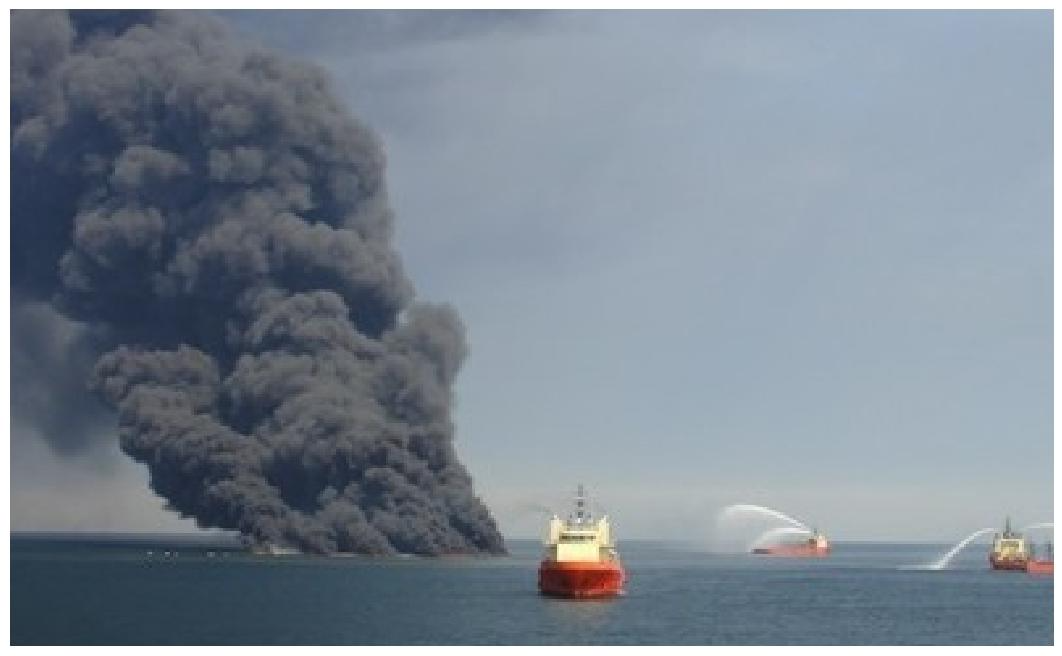
Oil spills represent one of the most visually dramatic and environmentally destructive forms of pollution. When massive quantities of crude or refined oil are released into a marine or freshwater environment, the consequences are immediate, far-reaching, and tragically long-lasting. These events, often caused by accidents involving tankers, pipelines, or offshore drilling rigs, unleash a cascade of ecological damage that can take decades, or even centuries, to heal. This guide provides a comprehensive analysis of the profound impact of oil spills, from the immediate harm to wildlife to the persistent contamination that lingers long after the slicks have disappeared from the surface.
Understanding the Anatomy of an Oil Spill
An oil spill is the release of a liquid petroleum hydrocarbon into the environment, especially the marine ecosystem, due to human activity. The “what” is oil, but the “why” is rooted in our global dependence on fossil fuels. Understanding the sources is key to prevention.
Primary Causes of Major Spills
While many envision a massive tanker accident, spills originate from various sources. These include:
- Offshore Drilling: Failures in equipment, like the blowout preventer in the 2010 Deepwater Horizon disaster, can lead to uncontrolled releases from deep-sea wells.
- Maritime Transportation: Accidents involving oil tankers, such as collisions, groundings (like the Exxon Valdez), or structural failures, can release millions of gallons of oil in a short time.
- Pipeline Ruptures: Aging infrastructure, corrosion, or physical damage to pipelines that transport oil across land and under water can result in significant, often undetected, leaks.
- Operational Discharges: Smaller, more frequent spills occur during routine operations like loading and unloading oil, which cumulatively contribute to marine pollution.

The Immediate Devastation to Marine Wildlife and Habitats
The most immediate and heartbreaking impact of an oil spill is on the wildlife that inhabits the affected area. Oil is a toxic substance that causes physical and biological harm through coating, ingestion, inhalation, and absorption.
Direct Impact on Marine Animals
- Seabirds: Oil coats birds’ feathers, destroying their natural waterproofing and insulation. This leads to hypothermia, even in temperate waters. They also lose their ability to fly, making them vulnerable to predators and starvation. Ingesting oil while preening their feathers causes severe internal damage to their organs.
- Marine Mammals: Animals like sea otters and seals rely on their fur for insulation. When oiled, their fur becomes matted, and they quickly succumb to hypothermia. Whales and dolphins can inhale toxic vapors at the surface or ingest oil, leading to respiratory and digestive tract issues.
- Fish and Shellfish: Oil can clog the gills of fish, causing suffocation. Fish eggs and larvae are particularly vulnerable, leading to the collapse of entire generations within a species. Shellfish beds can become contaminated for years, rendering them toxic for consumption.
Destruction of Coastal Ecosystems
The damage extends beyond individual animals to the very foundation of the marine environment. Sensitive coastal habitats like mangroves, salt marshes, and coral reefs are often the hardest hit. Oil smothers plant roots, killing the vegetation that provides critical nursery grounds for fish and protects coastlines from erosion.

Long-Term Consequences and Persistent Contamination
While the initial cleanup may remove the visible surface oil, the environmental damage continues for decades. Heavier components of crude oil, such as Polycyclic Aromatic Hydrocarbons (PAHs), are highly persistent and toxic.
Bioaccumulation in the Food Web
PAHs and other toxins sink into the seabed sediment, where they are consumed by small organisms like worms and mollusks. These toxins then accumulate in their tissues. As larger fish, birds, and mammals consume these smaller creatures, the concentration of toxins becomes magnified at each level of the food chain—a process known as biomagnification. This can lead to long-term health problems in apex predators, including cancer, reproductive failure, and immune system suppression.
Economic and Social Disruption
The environmental catastrophe quickly becomes a human one. Coastal communities that rely on fishing and tourism suffer immense economic losses. Fisheries are closed due to contamination, sometimes for years, devastating local economies. The stigma of an oil spill can cripple a region’s tourism industry as beaches are closed and the area’s reputation is tarnished.
Cleanup Methods and Mitigation Strategies
Responding to an oil spill is a monumental challenge, and no single method is perfect. Cleanup efforts typically involve a combination of strategies, each with its own benefits and drawbacks. The goal is to contain and remove as much oil as possible before it spreads and sinks.
Comparison of Common Oil Spill Cleanup Techniques
| Cleanup Method | Description | Advantages | Disadvantages |
|---|---|---|---|
| Mechanical Containment (Booms & Skimmers) | Floating barriers (booms) are used to corral the oil, and skimmers (boats or devices) then suck or scoop the oil from the surface. | Physically removes oil from the water; minimal use of chemicals. | Largely ineffective in rough seas or strong currents; slow process for large spills. |
| Chemical Dispersants | Chemicals are sprayed onto the slick to break the oil into smaller droplets, which then disperse into the water column. | Can be deployed quickly over large areas; prevents large slicks from reaching shorelines. | Highly toxic to marine life (especially coral); does not remove oil, just hides it. |
| In-Situ Burning | The controlled burning of freshly spilled oil while it is still floating on the water’s surface. | Can remove a large percentage of the oil very quickly. | Creates significant toxic air pollution; only effective on calm waters and with fresh, thick slicks. |
| Bioremediation | The use of microorganisms (bacteria) to naturally break down and consume petroleum hydrocarbons. | Environmentally friendly; can treat oil in hard-to-reach places like marshes and shorelines. | A very slow process that can take months or years; effectiveness depends on environmental conditions. |
Expert Advice: Prevention is the Only True Solution
While response and cleanup technologies are improving, experts universally agree that the only effective way to deal with oil spills is to prevent them from happening in the first place. The environmental cost is simply too high to accept them as a routine cost of doing business.
Key Preventative Measures
- Enhanced Regulation and Enforcement: Governments must enforce strict safety standards for offshore drilling and maritime shipping, including mandating double-hulled tankers.
- Improved Technology: Investing in advanced pipeline leak detection systems, blowout preventers, and vessel navigation technology can significantly reduce the risk of accidents.
- Corporate Accountability: Oil and gas companies must foster a culture of safety that prioritizes environmental protection over profit margins, with severe penalties for negligence.
- Transition to Renewable Energy: Ultimately, reducing our global dependence on oil is the most effective long-term strategy to eliminate the threat of catastrophic spills.
Frequently Asked Questions (FAQ)
- What is the single most damaging effect of an oil spill?
- While the visual of oiled birds is powerful, the most insidious long-term damage comes from the breakdown of the marine food web. When plankton and other microorganisms at the base are killed off, the effects cascade upwards, impacting everything from small fish to whales and threatening the stability of the entire ecosystem for decades.
- How long does it take for an ecosystem to recover from a major oil spill?
- Recovery times vary drastically depending on the type of oil, the environment, and the cleanup response. Open ocean areas may recover in a few years, but sensitive coastal ecosystems like salt marshes and mangrove forests can take 50 years or more. Some scientists believe the deep-sea ecosystem affected by the Deepwater Horizon spill may never fully recover.
- Are chemical dispersants used in cleanups safe for the environment?
- No, they are not considered safe, but are often viewed as the “lesser of two evils.” Dispersants are toxic chemicals that can harm marine life, particularly coral reefs and fish larvae. Their use is a controversial trade-off: they prevent thick oil slicks from coating coastal habitats but introduce another pollutant into the water column.
- What can individuals do to help prevent oil spills?
- Individual actions, when multiplied, can have a significant impact. Reducing personal consumption of fossil fuels by using public transport, driving less, improving home energy efficiency, and supporting the transition to renewable energy sources all decrease the overall demand for oil, which in turn reduces the risks associated with its extraction and transport.
Reader boundary: This guide is for general editorial information only. Diving, marine-wildlife, environmental, lighting, electrical, appliance, plant-care, and home-installation topics should be checked against current standards, manufacturer instructions, local rules, and qualified professionals before practical use.