Baroque gardens represent a pinnacle of landscape architecture, emerging from a period of intense artistic, scientific, and philosophical inquiry. Far more than mere collections of plants, these grand outdoor spaces were meticulously designed extensions of palaces and power, reflecting the prevailing worldview of order, control, and human dominance over nature. From the majestic avenues of Versailles to the serene terraces of Schwarzburg, Baroque gardens offer a journey through history, art, and an unparalleled sensory experience. This ultimate guide delves into the historical context, the intricate design principles, and the profound “why” behind these enduring masterpieces, ensuring a deeper appreciation for their splendor and tranquility.
The concept of walking through a Baroque garden is to engage with a living artwork, where every vista, every fountain, and every sculpted bush is part of a larger, harmonious composition. It’s a testament to human ingenuity and a celebration of aesthetic perfection, inviting visitors to ponder the intricate relationship between man, art, and the natural world.
Understanding the Baroque Garden: A Historical Perspective
The Baroque garden style flourished primarily in Europe from the early 17th to mid-18th centuries, evolving from the more restrained Renaissance gardens. Its emergence coincided with an era of absolute monarchies, scientific revolutions, and a burgeoning sense of human capability to shape and order the world. The underlying principle was a celebration of power, wealth, and intellectual mastery. Unlike previous garden styles that often sought to mimic or gently enhance nature, Baroque gardens aimed to impose rigorous order upon it, demonstrating man’s ability to tame the wild and create perfect, symmetrical landscapes. This ambition was not merely aesthetic; it was a profound political statement, reflecting the monarch’s absolute control over their realm, mirrored in the disciplined control over their garden.
The Philosophical Roots of Grandeur
At its core, the Baroque garden embodied the Enlightenment’s emphasis on reason, logic, and mathematical precision. Philosophers like René Descartes influenced the belief that the universe operated according to discoverable laws, and this belief extended to landscape design. Gardens became laboratories for demonstrating these principles through geometry, perspective, and optical illusions. The “why” behind their grandeur wasn’t just about showing off wealth; it was about asserting a worldview where human intellect could create a perfect, ordered microcosm of the universe. This aspiration led to the development of vast, complex designs that required immense resources, engineering prowess, and a highly skilled workforce, further solidifying their status as symbols of ultimate power and prestige.
Key Design Principles of Baroque Gardens
Baroque gardens are instantly recognizable by a set of distinctive design principles that differentiate them from other historical garden styles. These principles were meticulously applied to create breathtaking visual spectacles and immersive experiences, characterized by their scale, formality, and symbolic depth. Understanding these elements is crucial to appreciating the genius behind their creation.
Symmetry, Geometry, and the Axis Mundi
The bedrock of Baroque garden design is strict symmetry and geometric precision. Gardens were typically laid out along a central axis, often extending from the main facade of the accompanying palace, creating a powerful sense of direction and infinite perspective. This central axis, or “axis mundi,” served as the garden’s spine, around which all other elements were meticulously arranged in perfectly balanced pairs. Parterres – ornamental beds of flowers and trimmed hedges – were intricately patterned into geometric shapes (circles, squares, octagons, stars) often resembling embroidery, emphasizing order and control. The use of optical illusions, such as gradually narrowing avenues, was common to enhance the perception of depth and grandeur, making the garden appear even larger than it was.
Water Features: Fountains, Canals, and Reflecting Pools
Water played a pivotal role, both as an aesthetic element and a symbol of power and luxury. Elaborate fountains, often featuring mythological sculptures, were strategically placed as focal points, their jets choreographed to create dynamic visual and auditory experiences. Long, straight canals and reflecting pools mirrored the sky and surrounding architecture, adding to the sense of vastness and serenity. The engineering required to supply and manage water for these features was a significant undertaking, further showcasing the owner’s resources and technical sophistication. Water’s movement and sound provided a lively contrast to the static geometry of the planting, bringing the garden to life.
Sculptural Embellishments and Allegorical Narratives
Statues, busts, and sculptural groups were integral to Baroque gardens, often depicting mythological figures, allegories, or historical heroes. These sculptures were not merely decorative; they were carefully chosen to convey specific narratives, moral lessons, or to celebrate the patron’s virtues and achievements. They guided visitors through thematic journeys, often culminating in a grand display or a hidden grotto. The interplay of light and shadow on these stone figures added dramatic flair, enhancing the theatrical quality of the landscape.
The Art of Topiary and Controlled Nature
Topiary, the art of shaping plants into ornamental forms, reached new heights in Baroque gardens. Hedges were meticulously trimmed into geometric walls, labyrinths, and intricate patterns, while individual shrubs were sculpted into fantastical shapes of animals, mythological creatures, or architectural elements. This rigorous control over living plant material was perhaps the most direct manifestation of man’s triumph over wild nature. The evergreen nature of many topiary plants ensured that the garden maintained its structured beauty even in winter, providing a consistent backdrop for the palace.
Seamless Integration with Architecture
A defining characteristic was the seamless integration of the garden with the palace or residence it served. The garden was conceived as an outdoor extension of the architectural structure, with lines of sight often extending directly from the palace’s windows into the distant landscape. Terraces, grand staircases, and balconies served as transitional spaces, blurring the boundaries between interior and exterior. This holistic approach meant that the garden was not just an adjunct but an essential component of the overall estate, designed to be viewed from above as well as explored on foot.
The Sensory Journey: Experiencing a Baroque Masterpiece
Beyond their visual grandeur, Baroque gardens were designed to engage all the senses, crafting an immersive experience that transcended mere observation. The careful orchestration of elements created a dynamic environment meant to delight, surprise, and inspire awe in every visitor.
Visual Grandeur: Perspective and Illusion
The primary sense engaged was sight. Baroque designers were masters of perspective, using converging lines, varying plant heights, and strategic placement of features to create illusions of immense depth and distance. From a central vantage point, such as a palace window, the garden would unfold like a vast, ordered tapestry, drawing the eye towards distant vistas, often culminating in an obelisk, a statue, or a folly. This visual manipulation was key to conveying the limitless power and vision of the garden’s creator.
Aural Harmony: The Sound of Water and Wind
The soundscape of a Baroque garden was carefully considered. The constant murmur and splash of numerous fountains provided a soothing, consistent background noise, masking other sounds and creating an atmosphere of tranquility and contemplation. The rustling of leaves in meticulously cultivated groves, the distant calls of birds, and the gentle breeze through open avenues contributed to an aural harmony that complemented the visual order. These sounds were not random but part of the orchestrated sensory experience.
Olfactory Delights: Fragrant Blooms and Pathways
While formal structure dominated, fragrant plants were strategically incorporated to add another layer of sensory pleasure. Beds of roses, lavender, jasmine, and other aromatic herbs and flowers were often placed along pathways or near seating areas, allowing visitors to inhale their delightful scents as they explored. Groves of citrus trees, when present, also contributed a distinctive aroma. This olfactory dimension ensured that the garden was not just seen but also felt and smelled, creating a richer, more memorable experience.
Schwarzburg’s Baroque Gardens: A Tranquil Gem
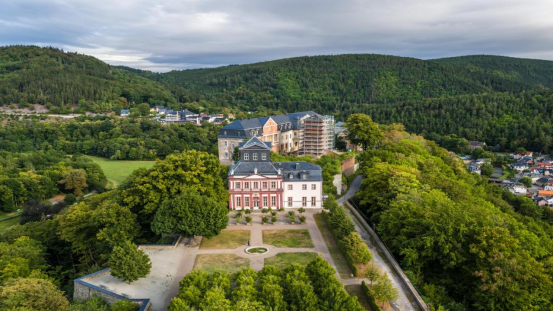
While many Baroque gardens are famed for their monumental scale, the gardens at Schwarzburg offer a more intimate yet equally captivating experience, embodying the tranquility and splendor characteristic of the style. Nestled within a picturesque landscape, Schwarzburg’s gardens exemplify the principles of Baroque design without overwhelming visitors with sheer vastness. The article on “Walking in Schwarzburg” highlights this unique blend of grandeur and serenity, making it a perfect example of how these historical spaces can still resonate with contemporary visitors seeking both beauty and peace. The integration of the natural surroundings with the formal elements creates a dialogue between wildness and cultivation, a hallmark of thoughtful Baroque design.
Unique Features and Preservation Efforts
Schwarzburg’s Baroque gardens are notable for their well-preserved parterres, elegant water features, and the harmonious integration with the historical castle. Unlike some larger Baroque complexes that have seen significant alterations over centuries, Schwarzburg retains much of its original character, offering an authentic glimpse into 18th-century landscape artistry. Preservation efforts here focus on maintaining the historical integrity of the design, from the precise trimming of hedges to the careful restoration of statuary and hydrological systems. This dedication ensures that the tranquility and splendor experienced by early visitors can still be appreciated today, making Schwarzburg a valuable site for understanding the nuanced beauty of Baroque gardens.
Expert Advice for Exploring Baroque Gardens
- Plan Your Route: Baroque gardens are often vast. Consult a map beforehand to identify key features, fountains, and viewpoints you wish to see. Prioritize areas that align with your interests, be it sculpture, water features, or specific parterres.
- Look for the “Why”: As you walk, consider the philosophical and political context. Why are elements arranged this way? What statement was the creator trying to make about order, power, or human ingenuity? This adds a layer of intellectual engagement.
- Engage All Senses: Don’t just look. Listen to the sounds of fountains and wind, smell the fragrant blooms, and feel the textures of stone and foliage. Allow the garden to envelop you in its intended sensory experience.
- Observe from Multiple Perspectives: View the garden from high vantage points (terraces, palace windows) to appreciate the overall geometric layout and grand vistas. Then, descend to ground level to experience the intricate details of parterres, sculptures, and water features up close.
- Consider the Time of Day/Season: Early mornings or late afternoons often offer softer light, fewer crowds, and a more tranquil atmosphere. Spring and early summer showcase lush blooms, while autumn can bring dramatic foliage changes, each offering a different charm.
Checklist: Essential Elements of a Baroque Garden
- Central Axis: A dominant, straight line or path extending from the main building, creating a sense of infinite perspective.
- Geometric Parterres: Intricately patterned flowerbeds and trimmed hedges laid out in symmetrical, often embroidered-like, designs.
- Elaborate Water Features: Fountains with mythological figures, cascades, canals, and reflecting pools, often showcasing advanced hydraulic engineering.
- Sculptural Embellishments: Statues, busts, and allegorical groups strategically placed to convey narratives or symbolic meanings.
- Topiary: Plants precisely trimmed into architectural shapes, geometric forms, or fantastical figures, demonstrating control over nature.
- Integration with Architecture: The garden is conceived as an extension of the palace, with clear sightlines and transitional elements like terraces and grand staircases.
- Groves and Bosquets: Formal woodlands or small, enclosed garden rooms providing shaded areas and intimate spaces within the grand design.
- Optical Illusions: Techniques used to manipulate perspective, making the garden appear larger or deeper than its actual dimensions.
Frequently Asked Questions (FAQ)
- What defines a Baroque garden compared to other garden styles?
- Baroque gardens are primarily defined by their strict geometric order, imposing symmetry, grand scale, and the explicit demonstration of human control over nature. Unlike Renaissance gardens which were more enclosed, or English landscape gardens which aimed for naturalistic asymmetry, Baroque gardens feature dominant central axes, elaborate parterres, extensive water features, and allegorical sculptures, all designed to impress and reflect the power of the patron.
- Why were Baroque gardens so popular among European royalty?
- They were popular because they served as powerful symbols of absolute monarchy, wealth, and intellectual dominance. The immense resources, engineering prowess, and meticulous design required to create and maintain such gardens directly showcased the patron’s power and ability to command both nature and human labor. They were also grand stages for court life, ceremonies, and celebrations, enhancing the monarch’s prestige.
- Are there specific plants commonly found in Baroque gardens?
- While the emphasis was more on form and structure than specific plant species, common plants included boxwood (for topiary and parterre edging), yew, hornbeam, and lime trees (for hedges and avenues). Flowers like roses, tulips, and various annuals were used in parterre beds for color, but always within strict geometric patterns. Citrus trees were also prized for their fragrance and exotic appeal in warmer climates or conservatories.
- How did water features in Baroque gardens work without modern technology?
- Baroque water features relied on gravity, clever engineering, and intricate hydraulic systems. Water was typically sourced from higher elevations (lakes, rivers, or reservoirs) and channeled through a network of lead pipes, aqueducts, and underground conduits. Pressure was created by differences in elevation, allowing water to be jetted upwards in fountains or flow through cascades. The construction and maintenance of these systems were incredibly complex and expensive, requiring skilled engineers and a large workforce.
- Can Baroque gardens still be found and visited today?
- Absolutely! Many magnificent Baroque gardens have been preserved and restored across Europe and beyond. Iconic examples include the Gardens of Versailles in France, the Schönbrunn Palace Gardens in Austria, the Peterhof Palace Gardens in Russia, and the gardens at Herrenhausen in Germany. Smaller, equally charming examples like Schwarzburg also offer authentic experiences. These sites are major tourist attractions and provide invaluable insights into historical landscape design and culture.