The Genesis and Vision of the Peace Palace
The Peace Palace, or Vredespaleis, stands as more than just a magnificent structure in The Hague; it is the physical manifestation of the global aspiration for peace through legal arbitration. Conceived during the Hague Peace Conference of 1899, the project was fueled by the vision of Andrew Carnegie, who donated $1.5 million to construct a permanent home for the Permanent Court of Arbitration.
Historical Context: The 1899 and 1907 Conferences
The momentum for the building grew out of the first international effort to codify laws of war and promote peaceful settlements. The 1907 conference solidified the need for a dedicated space, leading to an international architectural competition won by French architect Louis M. Cordonnier.
Architectural Mastery and Symbolic Design
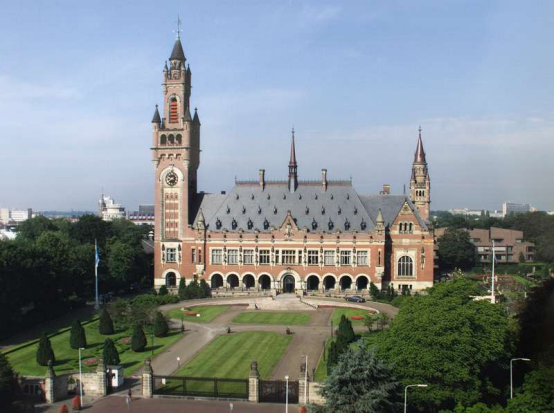
The architecture of the Peace Palace is a Neo-Renaissance masterpiece that draws inspiration from various European styles. Its imposing silhouette, complete with high towers and intricate masonry, was designed to convey gravitas, permanence, and dignity—the very pillars of international jurisprudence.
Symbolism in Stone
Every element of the palace, from the stained glass windows donated by various nations to the lush gardens surrounding the estate, serves as a testament to international cooperation. The materials used—such as marble, granite, and rare woods—were sourced from across the globe, effectively making the building a “gift from the world to the world.”
| Architectural Feature | Symbolic Significance |
|---|---|
| The Clock Tower | Represents the timeless nature of justice and order. |
| The Library | Reflects the importance of knowledge and precedent in law. |
| The Gardens | Symbolizes the nurturing of peace in a chaotic world. |
The Legal Heart: ICJ and Permanent Court of Arbitration
Today, the Peace Palace serves as the seat of the International Court of Justice (ICJ), the principal judicial organ of the United Nations. It also houses the Permanent Court of Arbitration (PCA) and one of the world’s most extensive libraries on international law.
Operational Impact on Global Diplomacy
The Palace is not a museum; it is a functioning hub where judges and legal experts deliberate on border disputes, human rights, and international treaties. Its existence provides a neutral ground where nations can resolve conflicts without resorting to military intervention.
Pro Tips for Visiting the Peace Palace
- Book your visitor center tour well in advance, as slots fill up quickly during peak seasons.
- Respect the quiet nature of the grounds; it remains a functioning legal institution.
- Explore the surrounding gardens, which are designed to offer a tranquil space for reflection on the concepts of justice and global unity.
- Check the official website for special exhibits that often rotate based on current international legal events.
Frequently Asked Questions (FAQ)
- Is the Peace Palace open to the public?
- Yes, the Visitor Center is open to the public, offering guided tours and an interactive exhibition on the history of international law and the palace itself.
- Why is The Hague known as the “City of Peace and Justice”?
- The Hague earned this title because it hosts the Peace Palace, the International Criminal Court, and numerous other international organizations dedicated to maintaining global order.
- Can you enter the courtrooms inside the Peace Palace?
- Access to the actual courtrooms is restricted and depends on the court’s schedule; however, guided tours provide comprehensive information about the proceedings that take place within.
- What is the role of the Peace Palace Library?
- The Peace Palace Library is one of the most prestigious specialized libraries in the world, serving as a critical resource for international lawyers, diplomats, and academics.