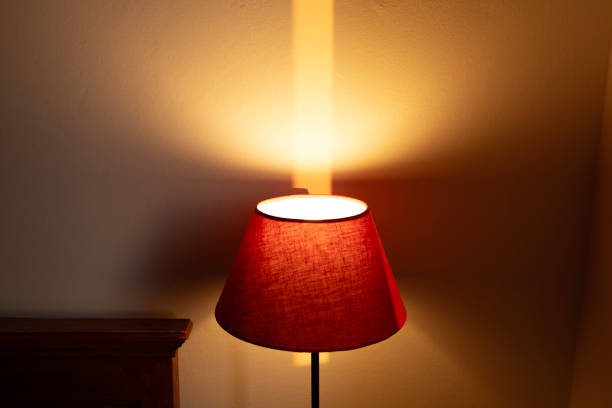
The Importance of Proper Lampshade Care
Lampshades, often overlooked, play a crucial role in diffusing light, setting a mood, and adding aesthetic value to any interior design. Their delicate nature, however, means they are constantly exposed to dust, pet dander, cooking fumes, and environmental pollutants, which can quickly diminish their appearance and even affect light quality. Proper and consistent care is not merely about aesthetics; it’s about preserving the integrity of the material, preventing premature wear, and maintaining a healthy indoor environment. Neglecting lampshade maintenance can lead to irreversible damage, such as discoloration, fabric degradation, and the accumulation of allergens. This guide will provide an exhaustive framework for extending the life and enhancing the beauty of your lampshades through meticulous cleaning and maintenance strategies.
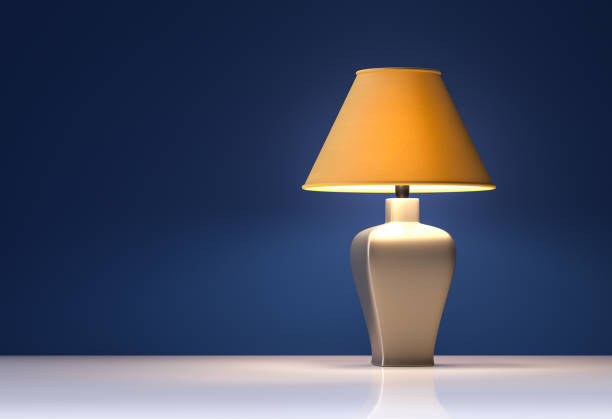
Understanding Different Lampshade Materials and Their Care Needs
The first step in effective lampshade care is identifying the material. Each material possesses unique characteristics that dictate the appropriate cleaning methods. Applying the wrong technique can lead to irreparable damage, shrinkage, water stains, or fading. It is vital to approach each type with specific knowledge to ensure its longevity and pristine condition.
Fabric Lampshades (Silk, Linen, Cotton, Pleated)
Fabric shades are popular for their warmth and texture but are highly susceptible to dust and staining. Silk, being delicate, requires the gentlest touch, often dry cleaning only. Linen and cotton are more robust but can still water stain. Pleated shades, regardless of material, present additional challenges due to their folds, which trap dust and make cleaning intricate.
- Delicate Fabrics (Silk, Rayon): Prone to watermarks, shrinkage, and color bleeding. Often require dry cleaning or very gentle spot treatment.
- Durable Fabrics (Linen, Cotton, Burlap): More forgiving but still susceptible to water stains and discoloration if not handled correctly. Can sometimes be gently hand-washed.
Paper and Parchment Lampshades
These materials offer a distinct, often rustic or minimalist aesthetic. They are extremely fragile when wet and can tear or warp easily. Dust accumulation is common, and deep stains are often permanent. Their care largely revolves around dry cleaning methods and careful handling.
- Paper: Very delicate, rips easily, and absorbs moisture quickly, leading to warping or staining.
- Parchment: More durable than standard paper but still sensitive to moisture and can become brittle over time.
Plastic, Acrylic, and Fiberglass Lampshades
Known for their durability and ease of cleaning, these synthetic materials are often found in modern or minimalist designs. They are generally water-resistant and can be wiped down, but care must be taken to avoid abrasive cleaners that can scratch their surfaces or cause clouding.
- Plastic/Acrylic: Resistant to water and most household cleaners, but susceptible to scratching. Can yellow over time from UV exposure.
- Fiberglass: Durable and heat-resistant, often with a textured surface. Can be wiped clean but may require gentle brushing for embedded dust.
Glass and Metal Lampshades
While less common for traditional “shades,” some modern fixtures incorporate glass or metal elements. These are the easiest to clean, typically requiring only a damp cloth and mild detergent. The primary concerns are smudges, fingerprints, and preventing rust on metal components.
- Glass: Prone to fingerprints and dust but easily cleaned with glass cleaner.
- Metal: Can tarnish or rust if exposed to excessive moisture or harsh chemicals. Requires specific metal cleaners if tarnished.
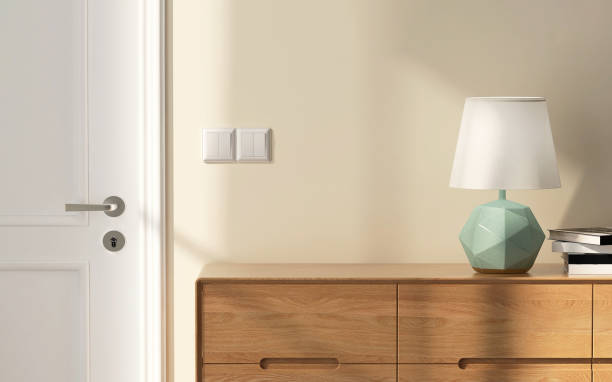
Essential General Maintenance Tips for Lampshades
Consistent, proactive maintenance is the cornerstone of keeping your lampshades looking pristine and extending their lifespan. These routine practices can significantly reduce the need for intensive deep cleaning and prevent the build-up of damaging elements.
Regular Dusting Techniques
Dust is the most common culprit for dulling a lampshade’s appearance. Regular dusting, ideally weekly or bi-weekly, is crucial. The method depends heavily on the material.
- Soft Brush or Lint Roller: For most fabric shades (cotton, linen) and delicate paper, a soft-bristled brush or a lint roller can effectively remove surface dust and pet hair without damaging the material. Always brush downwards from the top to ensure dust falls away.
- Microfiber Cloth: For plastic, acrylic, glass, or metal shades, a dry or slightly damp microfiber cloth is ideal for wiping away dust and fingerprints, leaving a streak-free finish.
- Vacuum Cleaner with Brush Attachment: For more stubborn dust or for fabric shades that can withstand it, a vacuum cleaner on its lowest setting with a soft brush attachment can be highly effective. Hold the attachment slightly above the surface to avoid direct contact and potential damage.
Handling with Care
Lampshades, especially older or more delicate ones, can be surprisingly fragile. Improper handling is a leading cause of dents, tears, and bent frames.
- Always Hold by the Frame: When moving or removing a lampshade, always grasp it by the metal frame, not the fabric or paper itself. This prevents creasing, tearing, or bending the shade’s structure.
- Avoid Pressure: Do not press directly on the shade’s surface, especially with fabric or paper types, as this can leave permanent indentations or marks.
Positioning for Longevity
The environment in which your lampshade resides can significantly impact its lifespan and appearance.
- Avoid Direct Sunlight: Prolonged exposure to direct sunlight can cause fabric and paper shades to fade, yellow, or become brittle. Position lamps away from windows where harsh UV rays can degrade materials.
- Control Heat Exposure: Ensure the light bulb wattage is appropriate for the lampshade. Overly hot bulbs can scorch fabric, dry out paper, and even warp plastic. Always use LED bulbs where possible, as they emit significantly less heat.
- Minimize Humidity: High humidity can cause fabric to mildew, paper to warp, and metal frames to rust. Maintain moderate humidity levels in your home, especially for delicate shades.
Deep Cleaning Different Lampshade Materials
When general maintenance isn’t enough, and your lampshade requires a more thorough cleaning, specific methods tailored to the material are essential. These techniques are designed to tackle accumulated grime and stubborn stains without causing damage.
Preparatory Steps for Any Deep Cleaning
Before attempting any deep cleaning, always take these preliminary actions:
- Unplug the Lamp: Safety first. Always disconnect the lamp from the power source before handling the shade.
- Remove the Lampshade: Detach the shade from the lamp base for easier and safer access.
- Gentle Dusting: Perform a preliminary dusting with a soft brush or vacuum attachment to remove loose surface dirt. This prevents dust from turning into mud if wet cleaning is used.
- Test in an Inconspicuous Area: For any cleaning solution, always test it on a small, hidden spot of the lampshade to ensure it doesn’t cause discoloration or damage.
Dry Cleaning Methods for Delicate and Non-Washable Lampshades
Many lampshades, particularly those made of silk, parchment, or intricate pleats, cannot tolerate water. Dry cleaning methods are their safest and most effective solution, focusing on physical removal of dirt and gentle spot treatment.
Vacuuming with Precision
For fabric shades with accumulated dust, a vacuum cleaner with a brush attachment is indispensable. The key is gentle application.
- Low Suction Setting: Always use the lowest possible suction setting to prevent pulling threads or damaging delicate materials.
- Soft Brush Attachment: Utilize the upholstery or brush attachment. Glide it gently over the surface, maintaining a slight distance if the fabric is very delicate, allowing the suction to do the work without direct abrasion.
- Inside and Out: Don’t forget to vacuum the inside of the lampshade, as dust can accumulate there as well.
Lint Rollers and Specialized Brushes
These tools are excellent for removing surface debris, pet hair, and lint without involving moisture.
- Lint Rollers: Effective for quickly picking up dust and hair from most fabric shades. Roll gently across the surface, replacing the adhesive sheet as it loses tackiness.
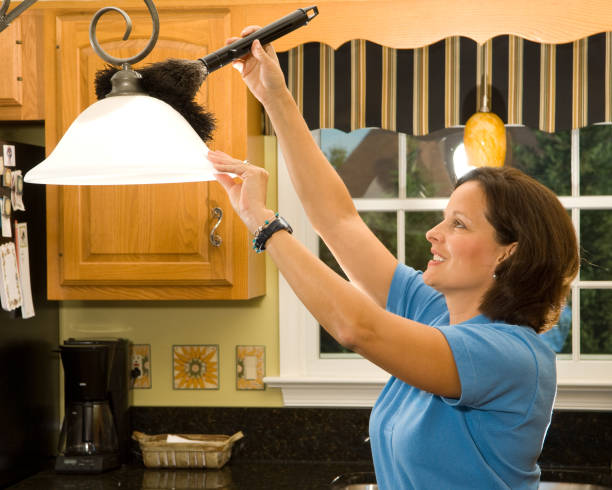
- Soft-Bristled Brushes: A clean, soft-bristled paint brush or a dedicated fabric brush can meticulously sweep dust from pleated shades or textured fabrics. Always brush in one direction, typically downwards.
Using a Dry Cleaning Sponge (Soot Sponge)
Also known as a chemical sponge, this tool is excellent for removing soot, smoke residue, and general grime from non-washable surfaces like paper, parchment, and some fabrics.
- Gentle Wiping Motion: Lightly wipe the sponge across the lampshade’s surface. The sponge works by lifting and absorbing dirt. Do not scrub.
- Rotate Sponge: As the sponge becomes soiled, cut away the dirty layer or rotate to a clean section to avoid spreading dirt.
- Caution: Test thoroughly, as some delicate papers might still be too fragile.
Spot Cleaning with Dry Cleaning Solvents (Extreme Caution)
For small, stubborn stains on fabric shades that cannot be wet-cleaned, a dry cleaning solvent might be an option, but it requires extreme care and is often best left to professionals.
- Ventilation is Key: Use in a well-ventilated area, away from open flames.
- Apply to Cloth, Not Shade: Dampen a clean, white cloth with the solvent, then gently blot the stain. Do not saturate the lampshade directly.
- Blot, Don’t Rub: Rubbing can spread the stain or damage the fabric fibers. Blot from the outside of the stain inwards.
- Immediate Drying: Allow to air dry completely.
Wet Cleaning Methods for Durable and Water-Resistant Lampshades
For lampshades made of more resilient fabrics, plastic, acrylic, or fiberglass, wet cleaning can provide a deeper and more thorough clean. However, even with these materials, careful execution is paramount to prevent damage.
Handwashing Fabric Shades (When Permissible)
Some cotton or linen shades, especially those with simple structures, can be hand-washed. Always check for a care label first.
- Preparation: Fill a clean basin or tub with lukewarm water and a small amount of mild detergent (e.g., Woolite or a gentle dish soap).
- Submerge Gently: Carefully submerge the lampshade, ensuring the frame is also immersed if it’s rust-resistant. Swish gently to loosen dirt. Avoid aggressive scrubbing or twisting, which can distort the shape or damage the fabric.
- Soak (Briefly): Allow to soak for 5-10 minutes, depending on the level of dirt.
- Rinse Thoroughly: Drain the soapy water and refill the basin with clean, cool water. Rinse repeatedly until all soap residue is gone. Soap residue can attract dirt and leave marks.
- Gentle Squeeze: Gently press excess water out of the fabric. Do not wring or twist.
- Air Dry: Place the lampshade on a clean towel or hang it from the top frame (if sturdy) in a well-ventilated area, away from direct sunlight or heat, to air dry completely. Ensure it dries evenly to prevent watermarks.
Wiping Down Hard Surfaces (Plastic, Acrylic, Glass, Metal)
These materials are the easiest to clean with water-based solutions.
- Mild Soap and Water: Mix a few drops of mild dish soap with warm water.
- Soft Cloth: Dampen a soft microfiber cloth with the solution and gently wipe down the entire surface, inside and out. For stubborn grime, a soft sponge can be used.
- Rinse/Wipe with Clean Water: Follow up by wiping with a cloth dampened with plain clean water to remove any soap residue.
- Dry Immediately: Use a dry, clean microfiber cloth to thoroughly dry the surface, preventing water spots or streaks, especially on glass and metal.
- Special Considerations: For metal, consider a specific metal cleaner if tarnished. For glass, a streak-free glass cleaner can be used.
Cautionary Notes for Wet Cleaning
Despite the apparent durability of some materials, wet cleaning always carries risks.
- Avoid Soaking Glued Seams: Many lampshades have seams where fabric is glued to the frame. Excessive soaking can dissolve the adhesive, causing the fabric to detach.
- Watch for Rust: Metal frames, especially older ones, can rust if exposed to water for too long. Ensure frames are dried thoroughly and quickly.
- Prevent Shrinkage: Hot water can cause some fabrics to shrink. Always use lukewarm or cool water.
- Test for Colorfastness: Before wet cleaning, always perform a colorfastness test in an inconspicuous area to ensure the dye won’t bleed.
Troubleshooting Common Lampshade Problems
Even with the best maintenance, lampshades can develop specific issues over time. Knowing how to address these common problems can save your lampshade from an early retirement.
Dealing with Yellowing or Discoloration
Yellowing is a common issue, especially with older fabric or plastic shades, often caused by age, UV exposure, or heat from incandescent bulbs.
- Fabric Shades: For white or off-white fabric shades that have yellowed, a very dilute solution of oxygen bleach (color-safe bleach) might help, but test meticulously. For severe yellowing, re-covering or replacing might be the only option.
- Plastic/Acrylic Shades: Gentle cleaning with mild soap and water can remove surface grime contributing to yellowing. For material degradation, little can be done to reverse it.
Removing Stubborn Stains
Stains require immediate attention and material-specific treatment.
- Oil/Grease Stains (Fabric): Blot immediately with a clean cloth. Apply a small amount of cornstarch or talcum powder to absorb the oil, let it sit for hours, then brush off. Follow with a gentle spot cleaner if necessary, testing first.
- Ink Stains (Fabric/Paper): Very difficult to remove. For fabric, try rubbing alcohol or specialized ink removers, testing in a hidden area. For paper, ink stains are often permanent.
- Water Stains (Fabric): Often appear as rings. If the fabric is washable, a full gentle wash might even out the discoloration. Otherwise, gently dampen the entire affected panel to the seam line and allow to dry evenly to minimize the ring.
Repairing Dents and Creases (Fabric/Paper)
Minor dents and creases can sometimes be remedied with careful intervention.
- Fabric Shades: For minor creases, a light steaming (from a distance, never direct contact) can sometimes relax the fibers. For dents in the frame, gently try to reshape the wire if accessible and not brittle.
- Paper Shades: Dents are often permanent. For minor creases, placing a heavy, flat object on the affected area for an extended period might help, but be cautious not to tear the paper.
Addressing Fraying Edges or Loose Trim
Over time, fabric edges can fray, or decorative trim can come loose.
- Fraying Edges: For minor fraying, a fabric glue specifically designed for textiles can be applied sparingly to seal the edge. For significant fraying, re-trimming or professional repair might be needed.
- Loose Trim: Reattach loose trim with a suitable fabric adhesive, applying it thinly and pressing the trim firmly into place until dry.
Extending Lampshade Lifespan: Proactive Measures
Beyond cleaning, several proactive steps can significantly contribute to the longevity and pristine condition of your lampshades, protecting your investment and maintaining your home’s aesthetic appeal.
Utilizing Protective Sprays
For fabric lampshades, applying a fabric protector spray can create an invisible barrier against stains and dust.
- Stain Repellent: Products like Scotchgard can make fabrics more resistant to spills and make future cleaning easier.
- UV Protection: Some sprays also offer UV protection, which can help prevent fading and yellowing, especially for shades exposed to indirect sunlight.
- Application: Always follow manufacturer instructions, ensuring even coverage and proper ventilation during application. Test on an inconspicuous area first.
Proper Storage Techniques
If you rotate lampshades seasonally or need to store them during a move, proper storage is crucial to prevent damage.
- Clean Before Storage: Ensure the lampshade is thoroughly clean and completely dry before storing to prevent mildew or set-in dirt.
- Individual Packaging: Wrap each lampshade in acid-free tissue paper or a soft cotton sheet. Avoid plastic bags, which can trap moisture and cause mildew.
- Sturdy Box: Store in a sturdy cardboard box, ideally one slightly larger than the shade, to prevent crushing. Fill any empty space with crumpled paper or soft packing material to prevent shifting.
- Climate Control: Store in a cool, dry place away from extreme temperatures and humidity fluctuations. Attics and basements are often not ideal due to humidity and pest issues.
Environmental Control and Placement
The environment directly impacts your lampshade’s health.
- Air Filtration: Using air purifiers can significantly reduce airborne dust, pollen, and pollutants that settle on lampshades.
- Strategic Placement: Avoid placing lampshades in high-traffic areas where they might be frequently bumped or near cooking areas where grease and fumes can accumulate.
- Appropriate Lighting: As mentioned, always use LED bulbs with appropriate wattage to minimize heat exposure and prevent scorching or material degradation.
Frequently Asked Questions (FAQ)
- Q1: How often should I clean my lampshades?
- For general maintenance, lampshades should be dusted weekly or bi-weekly. Deep cleaning depends on the material and exposure to dirt. Fabric shades in high-traffic areas might need deep cleaning every 6-12 months, while plastic or glass shades might only need it quarterly or semi-annually. Always monitor their appearance and clean as needed.
- Q2: Can I wash all fabric lampshades?
- Absolutely not. Only certain durable fabrics like some cottons or linens with sturdy frames are suitable for gentle handwashing. Delicate fabrics like silk, rayon, or those with glued seams, intricate pleats, or non-colorfast dyes should never be wet-washed. Always check for care labels or test a small, inconspicuous area first. When in doubt, opt for dry cleaning methods.
- Q3: What’s the best way to remove pet hair from a lampshade?
- The most effective methods for pet hair are a lint roller or a vacuum cleaner with a soft brush attachment on a low setting. For very delicate fabrics, gently wiping with a slightly damp (not wet) microfiber cloth can also help collect hair. Avoid using sticky tapes directly as they can leave residue or damage delicate surfaces.
- Q4: My lampshade has yellowed. Can I reverse it?
- Reversing severe yellowing, especially due to age or UV degradation, is often challenging. For white or off-white washable fabric shades, a very dilute solution of oxygen bleach might lighten it, but test carefully. For plastic or paper, yellowing caused by material breakdown is usually irreversible. Prevention through UV protection and appropriate bulb wattage is key.
- Q5: When should I consider professional lampshade cleaning?
- Professional cleaning is advisable for antique or very delicate lampshades, those made of intricate or expensive fabrics (like silk brocade), or when dealing with severe or unknown stains that home methods cannot address. Professionals have specialized tools and knowledge to safely clean and restore delicate materials without causing damage.
Reader boundary: This guide is for general editorial information only. Diving, marine-wildlife, environmental, lighting, electrical, appliance, plant-care, and home-installation topics should be checked against current standards, manufacturer instructions, local rules, and qualified professionals before practical use.