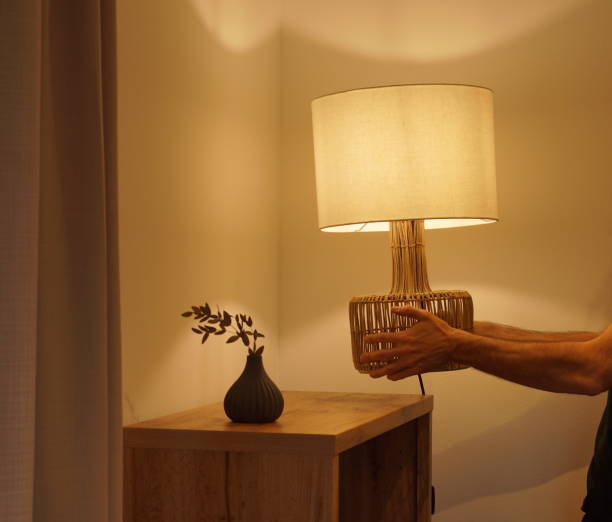
The Art and Science of Custom Lampshade Design
Lighting is the jewelry of the home. While mass-produced lampshades serve a functional purpose, they often lack the character required to anchor a room’s aesthetic. Building your own custom lampshade allows for total creative freedom, enabling you to match textures, patterns, and light diffusion levels to your specific interior design goals.
Understanding the “why” behind lampshade construction is essential. It is not merely about aesthetics; it is about light quality. The density of your chosen material determines whether your lamp provides focused task lighting or ambient, diffused illumination.
Core Principles of Light Diffusion
When selecting materials, consider the light transmittance. Translucent fabrics like silk or linen create a warm glow, while opaque materials like heavy cardstock or metal create directional light pools, ideal for reading corners.
Essential Materials and Toolkits for DIY Success
To embark on your DIY journey, you must assemble a toolkit that balances precision with creativity. Below is a breakdown of the fundamental components required for a professional-grade finish.
Recommended Material Checklist
- Styrene adhesive sheets (the backbone of your shade).
- High-quality adhesive spray or double-sided heat-resistant tape.
- Fabric of choice (Cotton, Linen, or Silk are best for beginners).
- Lampshade rings (Top and bottom frames).
- Fabric glue for rolled-edge finishing.
- Bone folder for smooth, wrinkle-free application.
| Material Type | Best Use Case | Difficulty |
|---|---|---|
| Linen | Modern/Minimalist | Beginner |
| Silk | Elegant/Formal | Advanced |
| Wallpaper | Eclectic/Bold | Intermediate |
Step-by-Step Assembly Procedure
Creating a structural lampshade requires patience and precision. The process begins with measuring your frame accurately to ensure the styrene backing aligns perfectly with the circumference of your rings.
The Rolling Technique
The most common pitfall for beginners is uneven tension. Always start by securing your fabric to the adhesive side of the styrene on a flat, clean surface. Use a bone folder to smooth out air bubbles as you progress. When attaching the fabric to the metal rings, use a rolling motion to ensure the seam remains vertical and hidden at the back of the lamp.
Pro Tips for Professional Results
Even seasoned DIY enthusiasts encounter challenges. Here are expert strategies to ensure your project looks like it came from a high-end boutique.
- The Seam Secret: Always overlap your fabric by at least 1/2 inch to create a clean, seamless join.
- Heat Safety: Always use LED bulbs. They generate significantly less heat than traditional incandescents, protecting your custom materials from discoloration or fire hazards.
- Edge Finishing: Use a specialized rolled-edge tool to tuck fabric edges neatly around the metal rings for a polished, factory-made look.
Frequently Asked Questions (FAQ)
- What is the best fabric for a beginner DIY lampshade?
- Medium-weight cotton or linen is ideal. These fabrics are easy to handle, hold adhesive well, and provide a classic, clean diffusion of light.
- Can I use any fabric for my lampshade?
- While most fabrics work, avoid overly thin synthetics that might melt or extremely heavy upholstery fabrics that block too much light. Always test a swatch for translucency first.
- How do I clean a custom DIY lampshade?
- For fabric shades, use a lint roller or a soft brush attachment on your vacuum. Avoid water or liquid cleaners, as they can weaken the adhesive bond on the styrene.
- Is it possible to recover an old lampshade frame?
- Yes! Recovering an existing frame is often easier than starting from scratch. Ensure the old frame is sturdy and free of rust before stripping the old material off.
Reader boundary: This guide is for general editorial information only. Diving, marine-wildlife, environmental, lighting, electrical, appliance, plant-care, and home-installation topics should be checked against current standards, manufacturer instructions, local rules, and qualified professionals before practical use.