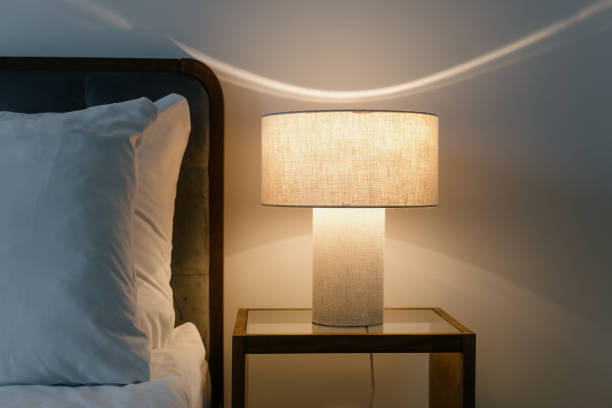
The humble lampshade is one of the most underestimated elements in interior design. It is not merely a decorative cover for a lightbulb; it is a powerful tool that actively sculpts light, defines atmosphere, and influences our perception of a space. The right lampshade can make a room feel larger, cozier, or more dramatic, while the wrong one can cast unflattering shadows, create a sense of oppression, and undermine the functionality of the light source. This guide provides an in-depth exploration of how to select the perfect lampshade by understanding its core components: shape, material, size, and placement. By mastering these principles, you can transform the lighting in any room from a simple utility to a defining feature of your home’s character.
The Fundamental Principles of Lampshade Light Control
Before selecting a lampshade, it’s crucial to understand the physics of how it manipulates light. A lampshade’s primary functions are to diffuse harsh glare from the bulb and to direct the light where it’s needed most. These two actions are controlled by the shade’s shape, opacity, and color, which work together to create the desired lighting effect and overall ambiance.
How Lampshade Shape Dictates Light Direction
The geometry of a lampshade is the primary determinant of where light will be cast. Different shapes are engineered for specific lighting outcomes, making shape selection a critical first step.
- Drum Shades: With their vertical sides and equal-sized openings at the top and bottom, drum shades emit light evenly upwards and downwards. This creates a balanced wash of ambient light, making them highly versatile for table lamps and pendants in living rooms and bedrooms.
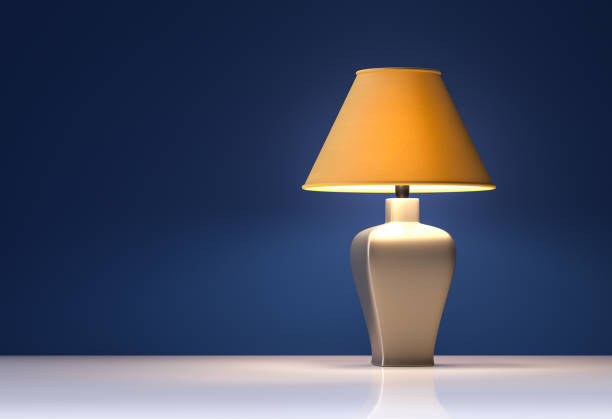
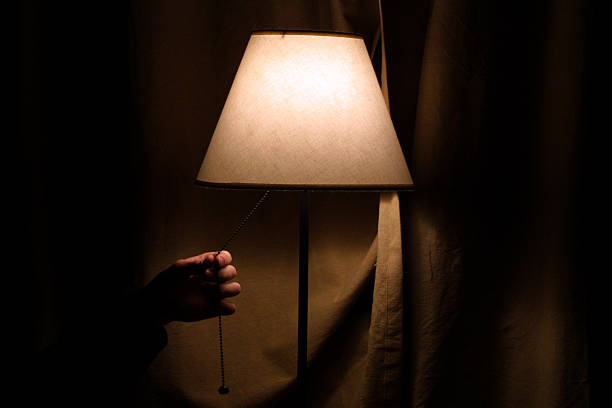
- Empire or Cone Shades: These classic tapered shades have a wider bottom opening than the top. Consequently, they cast a broader pool of light downwards, making them ideal for task lighting, such as on a desk or a reading chair.
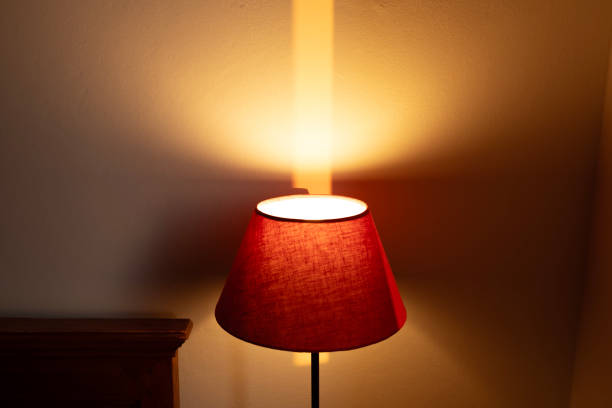
- Bowl or Inverted Shades: Often used in floor lamps designed for ambient lighting, these shades are wider at the top than the bottom. They direct the majority of the light upwards, which then reflects off the ceiling. This technique, known as uplighting, can make a room feel larger and brighter by creating a soft, indirect glow that minimizes shadows.
The Role of Opacity and Ceiling Reflections
A shade’s material determines its opacity or translucency, which governs how much light passes through its sides. An opaque material, like metal or thick, dark fabric, will block all light from passing through, forcing it out of the top and bottom openings. This creates distinct pools of light and dramatic shadows, perfect for highlighting specific features. In contrast, a translucent material, like white linen, frosted glass, or rice paper, allows light to pass through its surface, creating a soft, diffused glow that contributes to the room’s overall ambient light level. This diffusion is key to creating a warm and inviting atmosphere and reducing harsh glares.
The interaction between the lampshade’s light direction and the ceiling is a critical factor in spatial ambiance. A top-lit floor lamp with a bowl shade, for example, uses the ceiling as a massive reflector. A light-colored, smooth ceiling will reflect this light evenly, filling the room with a gentle, shadowless illumination that enhances the feeling of height and openness. A dark or textured ceiling will absorb more light, resulting in a more subdued and intimate atmosphere.
Choosing the Perfect Lampshade Material: A Comparative Guide
The material of a lampshade influences not only its aesthetic style but also the quality, color, and intensity of the light it produces. The two dominant categories, metal and glass, offer vastly different experiences and are suited for different purposes. Understanding their unique characteristics is essential for mastering a room’s atmosphere.
Metal Lampshades: For Dramatic and Focused Lighting
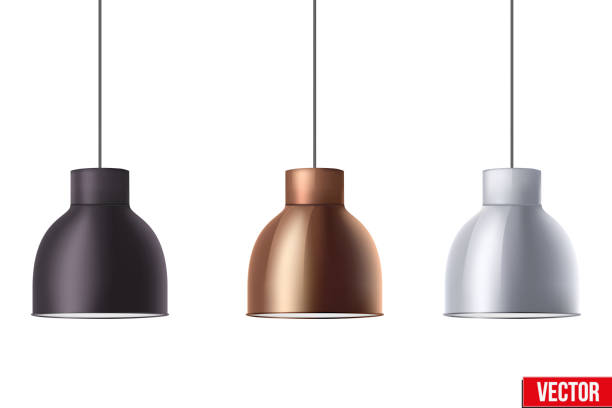
Metal lampshades are the masters of directional light. Being completely opaque, they do not diffuse light but rather channel it with precision. This makes them an excellent choice for task lighting where a concentrated beam is required.
- Light Quality: Metal shades produce a crisp, high-contrast light, creating sharp-edged shadows and a sense of drama. This is ideal for highlighting an art piece, illuminating a kitchen island for food preparation, or providing focused light in a reading nook.
- Atmosphere: The aesthetic is often modern, industrial, or rustic. The focused downlight can create a cozy, intimate pocket of light within a larger, darker space, making them popular in restaurants and bars.
- Considerations: Because they don’t contribute to ambient light, metal shades can make a room feel darker overall if they are the primary light source. It’s important to balance them with other sources of diffused, general lighting.
Glass Lampshades: For Diffused and Atmospheric Glow
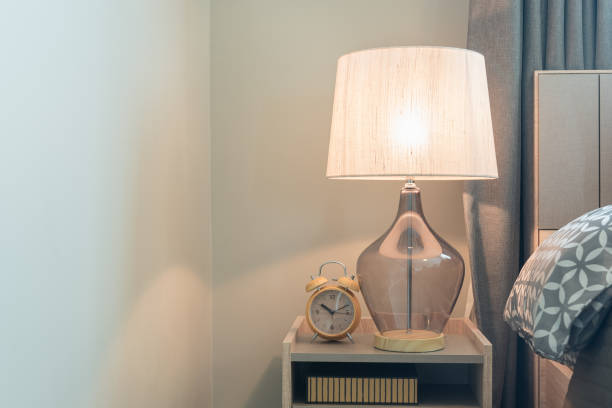
Glass lampshades are all about creating atmosphere through light diffusion. They soften the harshness of the bulb and cast a gentle, even glow that elevates the ambient light level of the entire room.
- Light Quality: The effect of a glass shade depends on its finish. Frosted or milk glass provides excellent diffusion for a soft, warm, and shadow-free light. Clear glass offers a vintage, industrial look but does little to diffuse glare, making the choice of bulb (e.g., an Edison bulb) critical. Colored or art glass can tint the light, adding a specific mood or color accent to the room’s decor.
- Atmosphere: Glass shades generally create a more open, airy, and elegant feeling. They are perfect for spaces where a welcoming and relaxed ambiance is desired, such as living rooms, dining rooms, and entryways.
- Considerations: Glass can be fragile and requires more frequent cleaning as it shows dust and fingerprints easily. However, its ability to blend seamlessly into various decor styles makes it a timeless choice.
Mastering Lampshade Sizing to Avoid an Oppressive Feel
Incorrect lampshade proportions are one of the most common design mistakes. A shade that is too large or too small for its base can look awkward and, more importantly, can negatively impact the room’s atmosphere. A poorly sized shade, especially on a chandelier or ceiling lamp in a living room, can create an “oppressive” feeling by making the ceiling seem lower and the space feel cramped.
The Golden Rules for Sizing a Lampshade
While every lamp is different, there are established guidelines that provide an excellent starting point for achieving balanced proportions. These rules primarily apply to table and floor lamps.
- Shade Diameter: The diameter of the bottom of the lampshade should be roughly twice the width of the lamp’s base at its widest point. This ensures the shade is substantial enough to balance the base visually.
- Shade Height: The height of the lampshade should be approximately 40% of the lamp’s total height (from the bottom of the base to the top of the finial).
- Hide the Hardware: When viewed from a standing or seated position, the bottom of the lampshade should be low enough to conceal the bulb socket and other hardware, but not so low that it covers the decorative top of the lamp base.
Eliminating the Oppressive Feeling in a Living Room
The feeling of a room being “oppressive” is often caused by a large, dark, or low-hanging ceiling fixture. A chandelier or ceiling lamp with a heavy, opaque lampshade can absorb a significant amount of light and create a visually heavy spot on the ceiling, drawing it downward. To combat this:
- Choose Lighter Materials: Opt for translucent materials like linen, silk, or frosted glass for ceiling fixtures. These materials diffuse light in all directions, including upwards, which helps to illuminate the ceiling and make the room feel taller.
- Consider the Color: A light-colored or white lampshade will reflect more light and feel visually lighter than a dark-colored one. This simple switch can dramatically increase the perceived brightness and openness of a room.
- Ensure Proper Clearance: For a central ceiling fixture, ensure there is adequate clearance for people to walk underneath. For a chandelier over a table, the sizing is relative to the table and the room, not just the fixture itself.
Advanced Application: Lampshades in Specific Environments
Applying the principles of shape, material, and size to specific contexts allows for a highly tailored and effective lighting design. The needs of a restaurant dining table are vastly different from those of a cozy reading nook, and the lampshade is the key to meeting those needs.
Restaurant Lighting: Creating the “C-Position” Spotlight
In a restaurant setting, lighting is a critical part of the dining experience. The goal is often to create an intimate atmosphere for the diners while beautifully illuminating the food. This is achieved through precise focusing techniques.
- The Height Rule: For a chandelier or pendant light over a dining table, the bottom of the fixture should hang approximately 30 to 36 inches above the tabletop. This height is low enough to create a sense of intimacy and containment for the diners but high enough not to obstruct views across the table.
- Creating the “C-Position”: The term “C-Position” refers to making the food the center stage of the visual experience. This is accomplished by using a lampshade—often a metal or dark, opaque material—that directs a focused pool of light directly onto the center of the table. This spotlight effect makes the food appear more vibrant and appealing while allowing the surrounding area to fall into a softer, dimmer light, enhancing the private and exclusive feel of the table.
Crafting the Ideal Reading Nook with Floor Lamps
A reading nook requires high-quality task lighting that minimizes eye strain. The lampshade plays a crucial role in delivering this focused light without creating distracting glare.
- Direction is Key: Choose a floor lamp with a shade that directs light downwards, such as an empire, cone, or adjustable metal shade. The goal is to illuminate the pages of the book directly.
- Avoid Glare: While focused light is important, it shouldn’t be harsh. A fabric shade can soften the light slightly. If using a metal shade, ensure the lamp is positioned to the side of the reader, not directly overhead, to prevent glare from reflecting off the page.
- Combine with Ambient Light: A reading lamp should not be the only light source in the room. Having a base level of ambient light reduces the harsh contrast between the bright book and the dark surroundings, which is a primary cause of eye fatigue.
Conclusion: Your Lampshade as a Strategic Design Tool
A lampshade is far more than a simple accessory; it is a strategic tool that gives you precise control over the light that fills your spaces. By carefully considering its shape, you can direct light to create expansive ambient glows or focused task lighting. By choosing the right material, from dramatic metal to ethereal glass, you can define a room’s entire mood and character. And by mastering the rules of proportion and sizing, you can ensure your lighting not only looks balanced but feels comfortable and inviting. Whether you are setting the stage for an intimate dinner, creating a functional reading area, or simply making your living room feel more open and welcoming, a thoughtful lampshade choice is your most powerful ally in the art of lighting design.
Frequently Asked Questions (FAQ)
- How do I know if my lampshade is the wrong size for my living room?
- A key sign is a feeling of visual imbalance or oppression. If a shade on a ceiling fixture is too large or dark, it can make the ceiling feel lower. For a table lamp, if the shade’s diameter is narrower than the lamp’s base or so wide that it looks top-heavy, the proportions are likely off. Another sign is exposed hardware; the bulb socket should always be hidden from view at eye level.
- What is the best type of lampshade for making a small room feel bigger?
- To make a small room feel bigger, you want to maximize ambient and indirect light. Choose lampshades that direct light upwards, such as bowl-shaped shades on floor lamps. This light reflects off the ceiling, creating a spacious, even glow. Additionally, opt for shades made of light-colored, translucent materials like white linen or frosted glass, as they diffuse light around the room rather than trapping it.
- Should I choose a metal or glass lampshade for my kitchen island?
- This depends on your primary goal. For pure task lighting needed for food preparation, metal pendant shades are superior. They provide strong, focused downlight directly onto the work surface without any glare. If your goal is a combination of task and ambient lighting to create a more social, welcoming kitchen atmosphere, a row of frosted or milk glass pendants would be a better choice as they provide both downward light and a soft, overall glow.
- What is the 30-36 inch rule for restaurant lighting?
- The 30-36 inch rule is a professional design guideline for hanging pendant lights or chandeliers over a dining table. It specifies that the bottom of the light fixture should be 30 to 36 inches above the surface of the table. This height is considered the sweet spot for creating an intimate pool of light for diners without obstructing their line of sight, allowing for easy conversation across the table.
- Can I put a drum shade on any lamp base?
- While drum shades are very versatile, they work best with lamp bases that have a simple, clean silhouette, such as cylindrical, square, or candlestick-style bases. A very ornate or traditionally curved base might clash with the modern, geometric lines of a drum shade. The key is to match the visual weight and style; the simple form of a drum shade complements a simple base and can provide a modern contrast to a slightly more traditional one.
Reader boundary: This guide is for general editorial information only. Diving, marine-wildlife, environmental, lighting, electrical, appliance, plant-care, and home-installation topics should be checked against current standards, manufacturer instructions, local rules, and qualified professionals before practical use.