Gardening is an art form that relies heavily on the quality and suitability of the tools employed. For both the novice hobbyist and the seasoned horticulturalist, the difference between a frustrating chore and a rewarding experience often lies in tool selection. This pillar page serves as a definitive resource, synthesizing expert knowledge across various tool categories to help you build a high-performance gardening kit.
Selecting the Perfect Garden Shovel: Handles and Blades
The shovel is the backbone of any gardening operation. However, a “one-size-fits-all” approach often leads to physical strain and inefficient work. Choosing the right shovel requires an understanding of handle ergonomics and blade geometry tailored to your specific environment.
Long Handle vs. Short Handle Dynamics
The length of the shovel handle dictates the leverage you can apply and the impact on your posture. Long-handled shovels are generally preferred for large-scale digging and trenching. They allow the user to stand more upright, significantly reducing lower back strain. The increased length provides superior leverage when prying up heavy soil or large rocks.
In contrast, short-handled shovels (often featuring a D-grip) are indispensable for precision work. If you are working in tight spaces, such as raised beds or dense shrubbery, the shorter shaft allows for better control and maneuverability. They are also the primary choice for gardeners working from a kneeling position, offering a direct transfer of power from the arms to the blade.
Blade Shapes and Soil Conditions
The soil type in your garden should dictate the blade shape of your shovel. Consider the following comparisons:
| Shovel Type | Best Soil Condition | Primary Use Case |
|---|---|---|
| Pointed (Round-Point) | Hard, rocky, or clay-heavy soil | Breaking ground, digging deep holes |
| Square-Point | Loose soil, mulch, or sand | Shoveling materials, leveling ground, edging |
| Transplant Spade | Dense root systems | Moving plants, digging narrow holes |

Mastering Weed Control: Manual vs. Mechanical Tools
Weeding is an ongoing battle in the garden. The efficiency of your weed management strategy depends on whether you utilize manual hand tools or mechanical assistance, each offering distinct advantages depending on the scale of the infestation.
The Precision of Manual Weeding
Manual weeding tools, such as hand trowels, fishtail weeders, and Japanese Hori-Hori knives, offer unparalleled precision. These are essential for novice gardeners working in delicate flower beds where mechanical tools might damage the root systems of desired plants. Manual weeding ensures that the entire taproot is removed, preventing the weed from regrowing.
Scaling Up with Mechanical Weeding
For larger vegetable plots or expansive landscapes, mechanical tools like oscillating hoes (stirrup hoes) and stand-up weeders are far more efficient. Mechanical weeding tools are designed to cover more ground in less time. Oscillating hoes work by slicing through weed roots just below the soil surface with a back-and-forth motion, which is much faster than individual hand-pulling.
- Efficiency: Mechanical tools can reduce weeding time by up to 70% in open rows.
- Ergonomics: Stand-up weeders allow for “no-bend” operation, protecting the spine and joints.
- Maintenance: These tools require regular sharpening of the blades to maintain their cutting efficacy.

Precision Pruning: How to Choose Professional Shears
Pruning is vital for plant health, encouraging new growth and removing diseased tissue. However, using the wrong shears can crush stems and invite infection. When selecting pruning shears, you must balance budget, function, and safety features.
Bypass vs. Anvil Mechanisms
The most critical decision is the cutting mechanism. Bypass pruners work like scissors, with two blades passing each other. This creates a clean, sharp cut that heals quickly, making them ideal for live green wood. Anvil pruners, on the other hand, have a straight blade that closes against a flat metal plate. This creates a crushing action, which is acceptable for dead, brittle branches but harmful to living tissue.
Safety and Ergonomic Features
High-quality pruning shears should include a reliable locking mechanism that can be operated with one hand. Look for ergonomic handles with non-slip grips to prevent hand fatigue during long pruning sessions. Some advanced models feature rotating handles that move with your fingers, significantly reducing the risk of carpal tunnel syndrome and blisters.

Hydration Hardware: Metal vs. Plastic Watering Cans
Watering is the most frequent gardening task, yet the choice of watering can is often overlooked. The material of your watering can affects not only its lifespan but also the health of your plants and your physical comfort.
The Case for Metal Watering Cans
Metal watering cans, typically made of galvanized steel or copper, are the gold standard for durability. They are resistant to UV damage and can last for decades if properly cared for. Furthermore, metal cans often have a more balanced weight distribution, and many gardeners prefer them for their classic, aesthetic appeal. However, they are heavier when empty and can be prone to rust if the interior coating is damaged.
The Practicality of Plastic
Plastic watering cans are lightweight, affordable, and come in a vast array of sizes. For elderly gardeners or those with limited strength, plastic is often the better choice. The primary drawback is UV degradation; over time, exposure to sunlight makes plastic brittle, leading to cracks and leaks. When choosing plastic, look for high-density polyethylene (HDPE) with UV inhibitors to ensure a longer lifespan.

Soil and Leaf Management: Metal vs. Plastic Rakes
Rakes are essential for soil preparation and debris removal. The choice between metal and plastic tines depends entirely on the task at hand and the sensitivity of the surface you are working on.
Heavy-Duty Metal Rakes
Metal rakes, particularly bow rakes, are designed for heavy lifting. Their stiff tines are perfect for breaking up soil clods, leveling gravel, or removing heavy thatch from a lawn. If you are preparing a new garden bed, a metal rake is non-negotiable for achieving a smooth, debris-free planting surface.
Gentle Plastic Rakes
Plastic rakes are the go-to tool for leaf collection. Their wide, flexible fans allow you to gather large volumes of light debris without damaging the grass beneath. Because they are lightweight, they are much easier to use for extended periods during the autumn leaf-drop season. However, they lack the structural integrity to move soil or heavy wet debris.

Hand Protection: Comparing Gardening Glove Materials
Your hands are your most valuable tools, and protecting them is paramount. Gardening gloves are not a universal product; different tasks require specific material properties to ensure both safety and dexterity.
Cotton, Leather, and Cut-Resistant Options
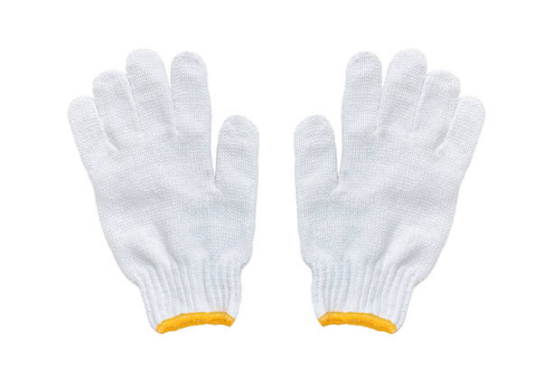
Cotton gloves are lightweight and breathable, making them perfect for light tasks like sowing seeds or light weeding in dry soil. They offer minimal protection against thorns or moisture. Leather gloves (often goatskin or cowhide) provide excellent puncture resistance, making them the standard choice for handling roses, brambles, or heavy-duty digging. They are durable but can become stiff if they get wet and dry out repeatedly.
For tasks involving sharp tools or jagged debris, cut-resistant gloves are essential. These are often made from high-performance polyethylene (HPPE) or glass fibers and are rated by their level of protection. They provide the peace of mind needed when working with pruning saws or sharp mechanical weeding blades.
Frequently Asked Questions (FAQ)
- Q1: How do I maintain my gardening tools to prevent rust?
- After every use, clean off soil and debris. Dry the tools thoroughly and apply a light coat of linseed oil or mineral oil to the metal surfaces. Store them in a dry, ventilated area, preferably hanging up to avoid moisture contact with the ground.
- Q2: Can I use bypass pruners for everything?
- While bypass pruners are versatile, you should avoid using them on dead, hard wood as this can dull the blades or cause them to twist. Use anvil pruners for dead wood and bypass pruners strictly for living stems to ensure the health of the plant.
- Q3: Is a long-handle shovel always better for the back?
- Generally, yes, because it reduces the need to bend. However, if the shovel is too heavy or the handle is too long for your height, it can cause shoulder strain. The “perfect” length is usually where the handle reaches your chest when the blade is on the ground.
- Q4: Why does my plastic watering can keep cracking?
- This is likely due to UV degradation. If plastic tools are left in direct sunlight, the plastic becomes brittle. To prevent this, store plastic watering cans in a shed or garage when not in use.
- Q5: What level of cut resistance do I need for gardening gloves?
- For most gardening tasks involving sharp tools, an ANSI Level A2 or A3 rating is sufficient. This provides protection against accidental scrapes and minor cuts while maintaining enough dexterity to handle plants effectively.
Reader boundary: This guide is for general editorial information only. Diving, marine-wildlife, environmental, lighting, electrical, appliance, plant-care, and home-installation topics should be checked against current standards, manufacturer instructions, local rules, and qualified professionals before practical use.