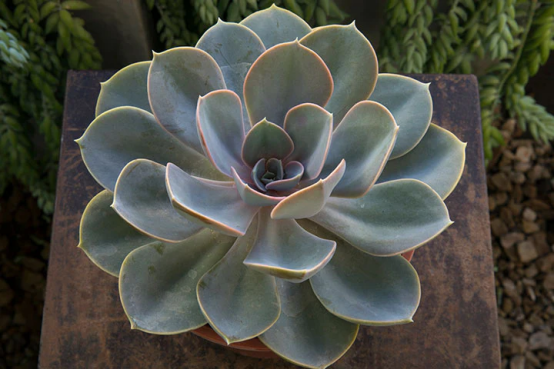
The Philosophy of Slow Gardening: Embracing Patience in Plant Care
In a world increasingly driven by instant gratification, the concept of slow gardening emerges as a vital counter-movement. Slow gardening is not merely a set of horticultural techniques; it is a profound philosophy that aligns human expectations with the natural, unhurried rhythms of botanical life. Whether you are tending to a resilient succulent, a fragrant balcony herb, a miniature moss ecosystem, or a dormant bulb, the slow growth method demands observation, patience, and a deep understanding of environmental micro-adjustments. By stepping back and allowing plants to dictate their own developmental pace, gardeners can foster stronger root systems, more robust foliage, and highly sustainable green spaces.
Understanding the Slow Growth Method
The slow growth method prioritizes long-term plant health over rapid, forced expansion. Commercial nurseries often use synthetic fertilizers and artificial lighting to push plants to market size quickly, resulting in weak cellular structures that collapse under normal home conditions. In contrast, patient cultivation focuses on building a resilient foundation. This involves mimicking a plant’s native habitat as closely as possible, providing just enough stress to encourage natural adaptations, and utilizing organic, slow-release nutrients that feed the soil microbiome rather than just the plant.
- Cellular Density: Plants grown slowly develop thicker cell walls, making them naturally more resistant to pests like aphids and spider mites.
- Root-to-Shoot Ratio: Patient cultivation encourages plants to establish massive, hidden root networks before pushing out excessive top growth, ensuring long-term drought tolerance.
- Resource Efficiency: Slow gardening inherently uses less water, fewer synthetic chemicals, and relies heavily on sustainable, renewable practices.

Succulent Care for Beginners: Setting the Foundation
Succulents are the quintessential slow-growth plants, storing water in their fleshy leaves and stems to survive arid conditions. For beginners, the journey to a thriving succulent begins long before the first drop of water is applied. It starts with the critical selection of the container and the formulation of the soil matrix. A common pitfall is treating succulents like standard tropical houseplants, which invariably leads to root rot and rapid decline.
Choosing the Right Container and Soil Matrix
The container you choose dictates the moisture retention of the soil. Unglazed terracotta is the gold standard for succulents. Its porous nature allows water to evaporate through the walls of the pot, preventing the soil from remaining dangerously soggy. Plastic or glazed ceramic pots trap moisture, requiring a highly modified watering schedule and an even grittier soil mix.
Your soil must mimic the rocky, nutrient-poor environments where succulents naturally thrive. A standard commercial potting soil is far too dense and peat-heavy. To create the ideal slow-growth succulent mix, you must blend organic and inorganic materials meticulously.
- Base Organic Matter (30%): Use a high-quality, sifted potting soil or coconut coir to provide minimal nutrient retention and root anchoring.
- Primary Aeration (50%): Incorporate coarse pumice or crushed granite. This ensures rapid water drainage and creates essential air pockets for the roots to breathe.
- Secondary Drainage (20%): Add horticultural perlite or coarse builder’s sand (never play sand, which compacts and suffocates roots).
The Art of Slow Watering: The Soak and Dry Method
Watering a succulent should be a deliberate, infrequent event. The “soak and dry” method is non-negotiable for slow, healthy growth. When the soil is 100% dry all the way to the bottom of the pot, you must drench the soil completely until water pours freely from the drainage holes. This deep watering encourages the roots to grow downward in search of moisture. After this soaking, you must wait—often for weeks—until the soil is bone dry again. Shallow, frequent watering leads to weak, surface-level root systems that cannot sustain the plant during actual drought periods.

Mastering Slow-Growing Balcony Herbs: Basil and Rosemary
Transforming a balcony into a productive herb garden requires a nuanced understanding of microclimates. Balconies often suffer from intense wind desiccation, fluctuating temperatures, and uneven sunlight distribution. Cultivating herbs like basil and rosemary in these spaces is an exercise in patient observation and strategic intervention. These two herbs represent opposite ends of the care spectrum: one is a tender, thirsty annual (often grown as a perennial in ideal conditions), while the other is a rugged, woody Mediterranean shrub.
Rosemary: The Drought-Tolerant Evergreen
Rosemary thrives on neglect, making it a perfect candidate for the slow growth method. It demands full sun—at least six to eight hours of direct light daily—and highly aerated, alkaline soil. On a balcony, rosemary should be placed in the sunniest, breeziest spot available. Overwatering is the primary cause of death for container-grown rosemary. You must allow the top two inches of soil to dry out completely before watering. Furthermore, patient pruning is essential. Never cut into the old, woody growth, as it will not regenerate. Instead, regularly pinch back the soft, green tips to encourage a bushy, dense architecture that can withstand balcony winds.
Basil: Patient Pruning for Bushy Growth
Unlike rosemary, basil requires consistent moisture and rich, loamy soil. However, the secret to a massive, long-lasting basil plant lies in a brutally patient pruning technique. Left to its own devices, a basil plant will quickly grow tall, go to seed (bolt), and turn bitter. To prevent this, you must continually pinch off the top sets of leaves right above a leaf node. This forces the plant to send out two new lateral branches for every one you remove. By sacrificing early height, you slowly build a wide, robust canopy that produces exponentially more foliage over the season. Ensure your balcony basil is protected from harsh midday sun, which can scorch its tender leaves.

Creating a Sustainable Moss Micro-Landscape Step-by-Step
A moss micro-landscape, or terrarium, is the ultimate expression of miniature slow gardening. Mosses are bryophytes; they lack true roots, stems, or leaves, and absorb water and nutrients directly through their cellular walls. Building a closed moss ecosystem is akin to capturing a living forest floor in a glass vessel. It requires meticulous layering to ensure a self-sustaining water cycle and a balanced nitrogen cycle.
Essential Materials and the Layering Process
The success of a moss micro-landscape depends entirely on its foundational layers. Because the glass container lacks drainage holes, you must create an artificial water table to prevent the moss from sitting in stagnant water, which invites anaerobic bacteria and mold.
- The Drainage Layer: Begin with 1 to 2 inches of coarse gravel, river pebbles, or LECA (Lightweight Expanded Clay Aggregate). This gives excess water a place to pool safely away from organic matter.
- The Filtration Layer: Spread a generous layer of horticultural activated charcoal over the gravel. This is critical for filtering water, absorbing impurities, and neutralizing odors caused by decaying matter.
- The Barrier Layer: Cut a piece of fiberglass window screen or use a dense layer of rehydrated sphagnum moss to separate the charcoal from the soil. This prevents the soil from washing down into the drainage layer and clogging the system.
- The Substrate: Add a specialized terrarium mix—typically a blend of coco coir, worm castings, and finely ground tree fern fiber. It should be slightly acidic and retain moisture without compacting.
Planting and Long-Term Maintenance
Once the terrain is sculpted, carefully lay patches of living moss (such as Cushion Moss, Haircap Moss, or Sheet Moss) onto the substrate, pressing firmly to ensure contact. Water the system by misting it thoroughly with distilled or rainwater; tap water contains chlorine and heavy minerals that will quickly burn the sensitive moss tissues. In a closed terrarium, you may only need to mist it once every few months. The condensation on the glass will rain back down, creating an endless, slow-moving hydrological cycle.

The Four-Season Care Guide for Bulbous Flowers
Growing bulbous flowers—such as tulips, daffodils, hyacinths, and amaryllis—is a masterclass in delayed gratification. A bulb is a self-contained biological battery, holding all the energy required for the next year’s spectacular, yet fleeting, bloom. The slow growth method for bulbs requires active engagement through all four seasons, recognizing that the dormant periods are just as critical as the flowering phase.
Autumn Planting and Winter Vernalization
For spring-blooming bulbs, the journey begins in the crisp air of autumn. Bulbs must be planted deep in well-draining soil—typically three times their own height deep. Once planted, they undergo a crucial process called vernalization. This cold-chill period (usually 12 to 16 weeks of temperatures below 45°F or 7°C) triggers the biochemical changes necessary for flower development. Without this slow, freezing winter slumber, the bulb will produce only leaves and no flowers. During this time, the bulb is secretly pushing out a massive root system beneath the frozen earth.
Spring Awakening and Post-Flowering Preservation
As the soil warms, the bulb utilizes its stored energy to push foliage and flowers toward the sun. Consistent watering is required during this rapid expansion phase. However, the true test of a slow gardener’s patience occurs after the flower fades. It is incredibly tempting to cut back the ugly, yellowing foliage to tidy up the garden. You must resist this urge. The green leaves are actively photosynthesizing, converting solar energy into starches that are transported back down into the basal plate of the bulb. If you cut the leaves before they turn completely brown and detach naturally, you rob the bulb of its energy, guaranteeing a weak or non-existent bloom the following year.

Advanced Environmental Control for Slow-Growing Plants
To truly master the slow gardening pipeline, one must look beyond basic watering and soil selection and enter the realm of advanced environmental control. Plants grown slowly are highly sensitive to their atmospheric conditions. By manipulating light quality, ambient humidity, and air circulation, you can optimize the slow growth trajectory and prevent the most common physiological disorders.
Mastering Light Spectrums and Photoperiods
Different plants require different light spectrums to maintain compact, steady growth. Succulents demand high-intensity, full-spectrum light to prevent etiolation (stretching). If growing indoors, utilizing LED grow lights with a strong blue spectrum encourages dense, squat growth. Conversely, moss terrariums require low to medium indirect light; direct sunlight will turn a glass terrarium into an oven, cooking the delicate ecosystem inside. Understanding the photoperiod—the duration of light exposure—is also critical. Many bulbs and herbs rely on the shifting photoperiods of the seasons to trigger dormancy or flowering.
Humidity and Airflow Dynamics
Air circulation is the invisible pillar of plant health. For balcony herbs and indoor succulents, stagnant air is a death sentence, inviting fungal pathogens like powdery mildew and botrytis. Incorporating oscillating fans indoors or strategically placing pots in cross-breezes outdoors strengthens plant stems through thigmomorphogenesis—the process by which plants alter their growth patterns in response to mechanical sensation. Humidity must also be tailored: moss demands 80-100% ambient humidity, while succulents require arid environments below 40%.

Cross-Species Data Comparison: Requirements for Patient Cultivation
To synthesize the varying needs of the slow-growing plants discussed in this guide, it is helpful to view their requirements side-by-side. While the philosophy of patience unifies them, their specific environmental demands are vastly different. The following table breaks down the core metrics required to successfully maintain succulents, herbs, moss, and bulbs over the long term.
| Plant Category | Light Requirement | Watering Frequency | Ideal Soil Composition | Core Patience Metric |
|---|---|---|---|---|
| Succulents | High / Direct Sun | Rare (Soak and Dry) | 70% Inorganic / 30% Organic | Waiting for total soil desiccation before watering. |
| Balcony Herbs | High (Rosemary) / Med (Basil) | Moderate (Let topsoil dry) | Loamy, well-draining, nutrient-rich | Sacrificing early height for constant pruning and bushiness. |
| Moss Micro-Landscapes | Low / Bright Indirect | Very Rare (Closed System) | Acidic, moisture-retentive substrate | Establishing balanced nitrogen and hydrological cycles. |
| Bulbous Flowers | Full Sun (during Spring) | Seasonal (High in Spring, none in Summer dormancy) | Deep, loose, well-draining loam | Allowing foliage to die back naturally to recharge the bulb. |
By adhering to these specific parameters, you ensure that each plant species is operating within its optimal, natural growth rate, rather than being forced into an unnatural, rapid expansion that ultimately shortens its lifespan.

Troubleshooting Common Issues in Patient Plant Care
Even with the most meticulous, patient approach, slow-growing plants can encounter obstacles. Because their metabolism is slower than that of heavy-feeding tropicals, their recovery from stress is equally slow. Therefore, early detection and gentle intervention are paramount. The most common issues usually stem from a well-intentioned over-application of resources—too much water, too much fertilizer, or too much heat.
Identifying and Reversing Root Rot
Root rot is the nemesis of the slow gardener, particularly for succulents and wintering bulbs. It occurs when anaerobic bacteria multiply in waterlogged soil, literally suffocating and decaying the root system. Symptoms include yellowing, translucent leaves that drop at the slightest touch, and a mushy, blackened stem base. If detected early, you must unpot the plant immediately, trim away all black and slimy roots with sterilized shears, and let the healthy roots air-dry for several days before repotting in a completely dry, highly inorganic soil mix. Do not water for at least two weeks post-surgery.
Managing Pests Without Harsh Chemicals
Slow-growing plants should not be subjected to harsh systemic pesticides, which can shock their delicate systems and disrupt the soil microbiome. For balcony herbs like basil, aphids are a common nuisance. They can be managed by introducing beneficial predators like ladybugs or by spraying a diluted neem oil solution in the evening (never in direct sunlight, which causes phototoxicity). In moss terrariums, mold or fungus gnats can arise if the system is too wet. Introducing a culture of springtails—tiny detritivores that eat mold and decaying matter—creates a natural, self-cleaning ecosystem without any chemical intervention.
Frequently Asked Questions (FAQ)
- Q1: How long does it take for a succulent leaf propagation to grow into a mature plant?
- Propagating succulents from leaves is the epitome of slow gardening. Depending on the species, it can take 2 to 4 weeks just for tiny pink roots to appear, and another 3 to 6 months for a recognizable rosette to form. Reaching the size of a standard nursery plant can take anywhere from 1 to 3 years. Patience, bright indirect light, and avoiding overwatering the mother leaf are the keys to success.
- Q2: Why is my balcony basil flowering, and should I let it?
- When basil produces flowers (bolting), it is signaling the end of its life cycle, shifting energy from foliage production to seed production. The leaves will subsequently become tough and bitter. To maintain a slow, steady harvest of delicious leaves, you must diligently pinch off flower buds the moment you see them forming at the tips of the stems.
- Q3: My closed moss terrarium has condensation covering the glass all day. Is this normal?
- While some condensation is necessary for the water cycle, glass that is completely fogged over 24/7 indicates excessive moisture, which will lead to mold. A healthy terrarium should have clear glass during the day and light condensation in the morning or evening. If yours is too wet, leave the lid off for 12 to 24 hours to allow excess moisture to evaporate, then seal it again.
- Q4: Do I need to dig up my bulbous flowers every winter?
- This depends entirely on your hardiness zone and the type of bulb. Hardy bulbs like tulips and daffodils require the winter freeze and should be left in the ground (or in large outdoor pots) to undergo vernalization. Tender bulbs like gladiolus or dahlias, however, will rot if left in freezing soil. They must be carefully dug
Reader boundary: This guide is for general editorial information only. Diving, marine-wildlife, environmental, lighting, electrical, appliance, plant-care, and home-installation topics should be checked against current standards, manufacturer instructions, local rules, and qualified professionals before practical use.