The Luminous Depths: Marine Bioluminescence
Bioluminescence, the production and emission of light by a living organism, transforms the ocean’s darkest corners into spectacular light shows. This natural phenomenon is widespread across marine taxa, from microscopic plankton to deep-sea fish and cephalopods, serving a myriad of critical ecological functions. It is not merely a beautiful spectacle but a fundamental aspect of survival and communication in environments where sunlight cannot penetrate.
Mechanisms of Light Production
The magic of bioluminescence primarily stems from a chemical reaction involving a light-emitting molecule, luciferin, and an enzyme, luciferase. When these two compounds react, often in the presence of oxygen and other cofactors like ATP, energy is released as light rather than heat, a process known as “cold light.” The specific luciferin-luciferase systems vary significantly across different species, leading to a diverse array of light colors (typically blue-green, as these wavelengths travel furthest in water) and emission patterns.
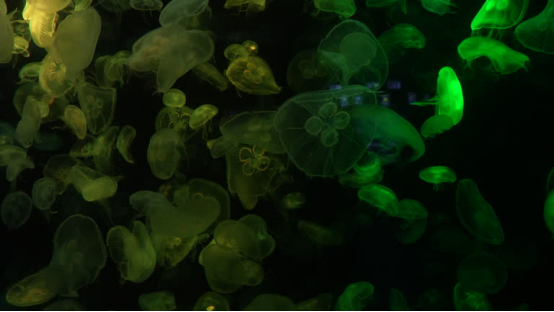
- Intrinsic Bioluminescence: Many organisms produce their own light through specialized cells called photophores, which house the luciferin-luciferase reaction. Examples include certain jellyfish, squid, and anglerfish.
- Symbiotic Bioluminescence: Other creatures host symbiotic bacteria that produce light for them. This partnership is common in deep-sea fish, such as flashlight fish, which possess specialized organs to cultivate these luminous bacteria. The host often has mechanisms to control the light, like shutters or chromatophores, to turn it on and off.
Purposes in the Marine Environment
The ability to generate light offers numerous evolutionary advantages, crucial for survival in the vast, often dark, marine realm. These purposes range from hunting and defense to communication and mating.
- Predator Evasion:
- Startle Response: A sudden flash of light can startle a predator, allowing the prey to escape.
- Burglar Alarm Effect: Some organisms, like dinoflagellates, flash when disturbed, attracting larger predators that might prey on their attacker. This creates a chain reaction, effectively using a bigger threat to deter a smaller one.
- Camouflage (Counter-illumination): In the mesopelagic zone, some animals match the dim downwelling sunlight with their own ventral light production, making their silhouette disappear against the faint light from above, thus hiding from predators below.
- Prey Attraction:
- Lures: Deep-sea anglerfish are famous for their bioluminescent lures (esca) that dangle in front of their mouths, attracting unsuspecting prey directly within striking distance.
- Stun or Confuse Prey: Some squid can emit bright flashes to disorient prey before capturing them.
- Communication and Mating:
- Species Recognition: Unique light patterns or flashes can help individuals of the same species recognize each other for mating purposes. This is particularly important in the vast, sparsely populated deep ocean where visual cues are limited.
- Courtship Displays: Certain crustaceans and fish engage in elaborate bioluminescent displays to attract mates, similar to fireflies on land.

Giants of the Abyss: Deep-Sea Gigantism
The deep sea, a realm of crushing pressure, perpetual darkness, and frigid temperatures, harbors some of the ocean’s most awe-inspiring mysteries, including the phenomenon known as deep-sea gigantism. This biological quirk sees certain species grow to significantly larger sizes than their shallow-water relatives, challenging conventional understandings of evolutionary adaptation and resource allocation in extreme environments.
The Phenomenon Explained: Why Bigger in the Deep?
Deep-sea gigantism refers to the tendency for invertebrates and other deep-sea animals to exhibit a larger size than their shallower-water counterparts. This is not a universal rule for all deep-sea species but is observed across various groups, including crustaceans, cephalopods, and even some fish. The exact reasons are complex and likely multifactorial, involving a delicate interplay of environmental pressures and biological responses.
Environmental Factors Contributing to Gigantism
Several hypotheses attempt to explain why life tends to grow larger in the abyss. These factors often interact, creating a unique selective pressure for increased size.
- Cold Temperatures (Metabolic Slowdown): The deep ocean is consistently cold, typically just above freezing. Lower temperatures lead to slower metabolic rates in poikilothermic (cold-blooded) organisms. With slower metabolisms, animals grow more slowly but have longer lifespans, allowing them more time to grow to larger sizes. This reduced metabolic demand also means less energy is needed for daily activities, freeing up resources for growth.
- Food Scarcity and Irregularity: Food resources in the deep sea are sparse and arrive unpredictably, often in the form of “marine snow” (detritus falling from above) or occasional large carcasses (whale falls). Larger body size can confer several advantages in such an environment:
- Energy Reserves: Larger animals can store more energy, enabling them to survive longer periods between meals.
- Efficient Foraging: A larger body might allow for more efficient movement over vast distances to find patchy food sources.
- Reduced Predation Pressure: While not entirely absent, predation pressure from larger, more active predators might be lower in the deep sea compared to shallower, more biodiverse waters, allowing individuals to grow without being consumed.
- High Pressure: While the direct effect of high pressure on size is less clear, some theories suggest that it might influence cellular processes or growth hormones in ways that favor larger dimensions, or that larger sizes offer better surface-area-to-volume ratios for osmoregulation under pressure.
Notable Giants of the Deep
The deep sea is home to many iconic examples of gigantism, captivating scientists and the public alike.
- Giant Squid (Architeuthis dux) and Colossal Squid (Mesonychoteuthis hamiltoni): Perhaps the most famous examples, these cephalopods can reach lengths of 13-18 meters (43-59 feet), significantly larger than most shallow-water squid species. Their enormous eyes are also an adaptation to the dim light.
- Giant Isopods (Bathynomus giganteus): These crustaceans, related to terrestrial pill bugs, can grow up to 76 cm (30 inches) long, a stark contrast to their smaller shallow-water cousins. They are scavengers on the seafloor.
- Sixgill Sharks: While not as dramatic in size difference, deep-dwelling sixgill sharks tend to be larger than many of their shallow-water relatives, capable of reaching lengths over 6 meters (20 feet).
- Giant Amphipods (Alicella gigantea): These tiny crustaceans typically measure a few millimeters, but their deep-sea counterparts can exceed 30 cm (12 inches), showcasing the extreme scale of gigantism.
Studying these colossal creatures presents immense logistical challenges, requiring specialized submersibles and remote operating vehicles. Each new discovery further illuminates the mysterious forces that shape life in the extreme conditions of the deep ocean.

Symbiotic Harmony: The Coral-Algae Partnership
Coral reefs, often called the “rainforests of the sea,” are among the most biodiverse ecosystems on Earth, supporting a quarter of all marine species. This incredible productivity and structural complexity are largely underpinned by a remarkable symbiotic relationship between tiny coral polyps and microscopic algae called zooxanthellae. This partnership is not just beneficial; it is absolutely essential for the survival and growth of reef-building corals, and by extension, the entire reef ecosystem.
The Foundation of Reefs: Zooxanthellae and Coral Polyps
Reef-building corals are cnidarians, closely related to jellyfish and sea anemones. Each coral colony is composed of thousands of genetically identical polyps, which secrete a hard, calcium carbonate skeleton. Within the tissues of these polyps live millions of single-celled dinoflagellates, specifically a genus called Symbiodinium, commonly referred to as zooxanthellae.
Mutual Benefits: A Perfect Exchange
The relationship between coral polyps and zooxanthellae is a classic example of mutualism, where both partners benefit significantly from the association.
- Benefits for the Coral Polyp:
- Nutrient Provision: The zooxanthellae, being photosynthetic, convert sunlight into energy. They share up to 90% of the organic compounds (sugars, amino acids, glycerol) they produce through photosynthesis with their coral host. This energy is vital for the coral’s metabolic processes, growth, and the energy-intensive process of building its calcium carbonate skeleton.
- Enhanced Calcification: Photosynthesis by zooxanthellae removes carbon dioxide from the coral’s tissues, which facilitates the deposition of calcium carbonate, allowing corals to grow rapidly and form massive reef structures. Without this algal contribution, calcification rates would be drastically reduced.
- Waste Removal: The algae also absorb metabolic waste products (like ammonia) from the coral, which they use as nutrients for their own growth.
- Benefits for the Zooxanthellae:
- Protected Environment: The coral polyp provides a safe, stable, and protected environment within its tissues, shielding the algae from predators and harmful UV radiation.
- Access to Nutrients: The coral’s metabolic waste products, particularly nitrogen and phosphorus, serve as essential fertilizers for the algae’s photosynthetic activities, which are often scarce in nutrient-poor tropical waters.
- Optimized Light Exposure: The coral structure can position the algae in optimal light conditions for photosynthesis.
This efficient recycling of nutrients and energy allows coral reefs to thrive in warm, clear, nutrient-poor tropical waters that would otherwise be barren. The vibrant colors of healthy corals are also largely due to the pigments of their zooxanthellae.
Threats to Symbiosis: Coral Bleaching and Climate Change
Despite its robustness, this delicate partnership is highly sensitive to environmental changes, particularly rising ocean temperatures. When corals are stressed by prolonged heat, pollution, or disease, the zooxanthellae produce harmful reactive oxygen species. In response, the coral expels the algae from its tissues, a phenomenon known as coral bleaching.
- Impact of Bleaching: Without their algal partners, corals lose their primary food source and their vibrant color, appearing stark white. While corals can survive short-term bleaching events by acquiring new zooxanthellae or relying on heterotrophic feeding, prolonged bleaching leads to starvation, disease, and ultimately, coral mortality.
- Climate Change as a Driver: Global warming, driven by greenhouse gas emissions, is causing more frequent and severe marine heatwaves, making coral bleaching a widespread and devastating threat to reefs worldwide. Ocean acidification, another consequence of increased atmospheric CO2, further impedes the ability of corals to build their skeletons, weakening their structures.
Conservation Efforts
Protecting coral reefs requires a multi-faceted approach, addressing both global and local stressors. Efforts include reducing carbon emissions, improving water quality, managing local fisheries, and developing coral restoration techniques such as coral gardening and assisted evolution programs. Understanding and safeguarding the coral-algae symbiosis is paramount for the future of these invaluable marine ecosystems.

Masters of Adaptation: Unique Marine Survival Strategies
The marine environment presents a myriad of challenges, from extreme temperatures and pressures to constant threats from predators and the scarcity of resources. Over millennia, marine organisms have evolved an astonishing array of adaptations, crafting ingenious strategies for survival, hunting, and reproduction. These adaptations showcase the relentless power of natural selection and the boundless creativity of life.
Clownfish and Anemones: Surviving Heatwaves and Stings
The iconic relationship between clownfish and sea anemones is one of the most celebrated examples of mutualism in the ocean. Clownfish gain protection from predators by living among the anemone’s stinging tentacles, which are normally deadly to other fish. The anemone, in turn, benefits from the clownfish’s cleaning services, removal of parasites, and potentially attracting prey or deterring anemone predators.
- Immunity to Anemone Stings: Clownfish develop immunity to the anemone’s nematocysts (stinging cells) through a complex process. Initially, they perform a “dance” where they make gradual contact with the tentacles, allowing their mucous coat to adapt. This specialized mucus either mimics the anemone’s own chemical signature, preventing the nematocysts from firing, or is simply thicker, providing a physical barrier.
- Surviving Heatwaves: Recent research suggests clownfish possess adaptations that enable them to cope with rising ocean temperatures and associated heatwaves, which stress their coral reef habitats. Their ability to regulate their body temperature, alter their metabolism, and potentially seek refuge in cooler microclimates within the reef or anemone, plays a crucial role. However, severe and prolonged heatwaves still threaten their host anemones and, consequently, the clownfish themselves, highlighting the interconnectedness of reef inhabitants.
Decorator Crabs: Crafting Camouflage from the Environment
Decorator crabs are masters of disguise, utilizing their surroundings to create elaborate camouflage that makes them virtually invisible against the seafloor. This remarkable behavior is a prime example of behavioral adaptation coupled with physical features.
- The Art of Decoration: These crabs actively collect various marine organisms and debris, such as sponges, anemones, seaweed, hydroids, and even small stones, and attach them to specialized hooked bristles (setae) on their carapaces. The chosen materials are often living, allowing them to continue growing and providing dynamic, living camouflage.
- Purposes of Camouflage:
- Predator Avoidance: The primary purpose is to blend in with the environment, making it incredibly difficult for predators like fish and octopuses to spot them.
- Opportunistic Predation: For some species, the camouflage also serves to ambush unsuspecting prey that ventures too close.
- Chemical Defense: By attaching noxious sponges or stinging anemones, decorator crabs gain an additional layer of chemical or physical defense against potential attackers.
Wobbegong Sharks: Ambush Predators of the Seafloor
Wobbegong sharks, a group of carpet sharks found in the shallow temperate and tropical waters of the Indo-Pacific, are renowned for their distinctive appearance and unique hunting strategy. Their name, believed to come from an Australian Aboriginal language, means “shaggy beard,” aptly describing their fringed, flattened bodies.
- Cryptic Camouflage: Wobbegongs possess highly flattened bodies and intricate, often mottled patterns of spots and lines, which provide exceptional camouflage against the rocky, sandy, and coral-laden seafloor where they reside. Their dermal lobes and barbels around their mouths further break up their outline, mimicking seaweed or rocks.
- Ambush Predation: Unlike many active shark species, wobbegongs are largely sedentary ambush predators. They lie perfectly still, camouflaged on the bottom, waiting for unsuspecting fish, crustaceans, or cephalopods to swim within striking distance. When prey comes close, they lunge with incredible speed, using their powerful jaws and needle-sharp teeth to capture their meal. This energy-efficient hunting method is perfectly suited to their benthic lifestyle.
The Enigma of Jellyfish: Brainless Wonders of the Sea
Jellyfish, with their ethereal beauty and pulsating movements, are among the most ancient and successful multicellular animals on Earth. Despite their often-complex behaviors, a common question arises: do jellyfish have brains? The answer is a fascinating testament to alternative evolutionary paths.
- No Centralized Brain: Jellyfish (medusae) do not possess a centralized brain or nervous system in the way vertebrates do. Instead, their nervous system is a diffuse nerve net, a decentralized network of neurons spread throughout their bell and tentacles.
- Functional Nerve Net: This nerve net allows them to detect stimuli such as touch, light, and chemical changes in the water. It coordinates their rhythmic pulsations for swimming, controls the firing of nematocysts for capturing prey, and mediates simple behaviors like feeding and orientation. Some species have specialized sensory structures called rhopalia, which can contain light-sensing ocelli or gravity-sensing statocysts, allowing for more advanced navigation and perception without a central processing unit.
- Simple Yet Effective: The jellyfish’s “brainless” design demonstrates that complex behaviors and ecological success do not always require a highly centralized nervous system, highlighting the diversity of neural architectures in the animal kingdom.

Uncharted Territories: Discovering Rare and Mysterious Species
Despite centuries of exploration, our oceans remain largely uncharted, holding countless secrets and undiscovered life forms. The vastness and inaccessibility of marine environments mean that new species are regularly identified, and previously unseen behaviors are observed, reminding us of the immense biodiversity yet to be documented. These discoveries often come from the deepest trenches or the most remote corners, pushing the boundaries of our understanding of life on Earth.
First Sightings: The Elusive Rare Squid
The deep sea, in particular, is a frontier of discovery. Rare squid species, often known only from fragments or specimens washed ashore, occasionally reveal themselves to human eyes for the first time in their natural habitat. These sightings are momentous events for marine biologists, offering unprecedented insights into their morphology, behavior, and ecological roles.
- Technological Advancements: Modern deep-sea submersibles, remotely operated vehicles (ROVs), and autonomous underwater vehicles (AUVs) equipped with high-definition cameras are revolutionizing our ability to explore these inaccessible realms. These technologies allow scientists to observe creatures like the elusive bigfin squid (genus Magnapinna), known for its exceptionally long, elbow-like tentacles, which was famously filmed in its natural environment only recently. Such observations provide crucial data that cannot be gathered from dead specimens.
- Unveiling Hidden Behaviors: Direct observation can reveal unique hunting strategies, mating rituals, and adaptations previously only theorized. For instance, the first live footage of certain deep-sea octopus species has shed light on their brooding behaviors and interactions with hydrothermal vents.
Deep-Sea Exploration Technologies
The progress in marine discovery is inextricably linked to the advancement of exploration technology. These tools allow scientists to withstand the extreme conditions of the deep sea and bring back invaluable data.
- Human-Occupied Vehicles (HOVs): Submersibles like the DSV Alvin have enabled direct human observation and sample collection in deep-sea environments for decades.
- Remotely Operated Vehicles (ROVs): Tethered to a surface vessel, ROVs can explore for extended periods, capturing video, collecting samples, and deploying sensors in areas too dangerous or deep for human divers.
- Autonomous Underwater Vehicles (AUVs): Untethered and programmable, AUVs can cover vast areas, mapping the seafloor, detecting chemical plumes, and gathering oceanographic data without human intervention, opening up new possibilities for large-scale exploration.
Unanswered Questions: Dolphin Behavior and Social Dynamics
Even in relatively accessible coastal waters, the behavior of highly intelligent marine mammals like dolphins continues to pose intriguing questions. Their complex social structures, communication methods, and cognitive abilities are subjects of ongoing research.
- Complex Social Structures: Dolphins live in highly dynamic fission-fusion societies, where group composition changes frequently. They form alliances, cooperate in hunting, and exhibit cultural transmission of learned behaviors.
- Intra-Species Aggression: While often portrayed as benevolent, dolphins, particularly males, are known to engage in aggressive interactions, sometimes leading to serious injuries or even death. These conflicts can arise over mating rights, territory, or social dominance. For example, observations of dolphins in specific urban environments, such as the Tiber River in Rome, have occasionally documented instances of aggressive encounters between individuals or groups, which scientists study to understand the drivers of such behaviors, whether due to resource competition, stress from anthropogenic factors, or natural social dynamics.
- Cognitive Abilities: Dolphins exhibit self-awareness, problem-solving skills, and a complex vocal repertoire, suggesting advanced intelligence. However, fully deciphering their “language” and understanding the nuances of their social interactions remains a significant scientific challenge.
The Importance of Continued Research
Every new discovery, from a rare squid to a nuanced understanding of dolphin aggression, adds a crucial piece to the grand puzzle of marine life. Continued exploration and research are vital not only for cataloging biodiversity but also for understanding ecosystem functions, identifying threats, and informing conservation strategies for our planet’s most vital resource—the ocean.
Frequently Asked Questions (FAQ)
- Q1:
Reader boundary: This guide is for general editorial information only. Diving, marine-wildlife, environmental, lighting, electrical, appliance, plant-care, and home-installation topics should be checked against current standards, manufacturer instructions, local rules, and qualified professionals before practical use.