A towel warmer is more than just a bathroom accessory; it is a sophisticated heating appliance designed to provide comfort, hygiene, and a touch of luxury to your daily routine. However, to maintain its aesthetic brilliance and operational efficiency, homeowners must move beyond basic usage and adopt professional-grade maintenance and troubleshooting habits. This guide synthesizes expert knowledge to ensure your investment remains a centerpiece of bathroom comfort for years to come.
Essential Maintenance and Cleaning Protocols
The longevity of a towel warmer is directly dictated by the consistency of its cleaning regimen. Environmental factors such as high humidity, soap scum, and aerosol sprays can gradually degrade the surface finish and even affect the heating efficiency of the bars. Maintaining a “like-new” appearance requires a multi-tiered approach to sanitation and polishing.
Weekly Surface Upkeep
For daily or weekly cleaning, avoid harsh chemicals that can strip the protective coating of the metal. Instead, utilize a soft microfiber cloth dampened with warm water and a drop of pH-neutral dish soap. This method effectively removes fingerprints and water spots without introducing micro-scratches to the surface. After wiping, it is critical to dry the unit completely with a separate dry cloth to prevent the formation of new water spots or mineral streaks.
Deep Cleaning and Scale Removal
In regions with hard water, mineral deposits (limescale) can accumulate on the bars, particularly near the joints. A solution of equal parts white vinegar and water can be applied to a cloth and wrapped around the affected area for 10 minutes to dissolve the calcium. For polished stainless steel or chrome finishes, a specialized non-abrasive metal polish can be used quarterly to restore the original luster and provide a thin protective barrier against moisture.
- Daily Check: Ensure no damp towels are left bunched for more than 24 hours.
- Monthly Inspection: Check the power cord or hardwire connection for signs of wear or discoloration.
- Annual Audit: For hydronic systems, check for air pockets or valve leaks that could impede heat distribution.
Troubleshooting Common Towel Warmer Problems
Even the highest quality towel warmers can encounter operational hurdles. Understanding the underlying mechanisms of these issues allows for rapid resolution, often without the need for professional intervention. Most problems stem from electrical connectivity, thermostat malfunctions, or improper installation logic.
The Unit Fails to Heat
If your towel warmer remains cold after being switched on, the first step is to verify the power source. For plug-in models, test the outlet with another device to rule out a tripped GFCI (Ground Fault Circuit Interrupter). For hardwired units, check the dedicated circuit breaker in your home’s electrical panel. If power is reaching the unit but it remains cold, the internal heating element or the integrated thermal fuse may have failed, requiring a component replacement.
Uneven Heat Distribution
Cold spots on the bars are a frequent complaint. In electric dry-element models, this often points to a damaged internal heating wire. In liquid-filled or hydronic models, cold spots are typically caused by trapped air bubbles. Bleeding the system (if applicable) or ensuring the unit is mounted perfectly level can often rectify these thermal inconsistencies. Furthermore, ensure that the thermostat is not being “tricked” by external heat sources, such as a nearby radiator or direct sunlight, which might cause it to shut off prematurely.
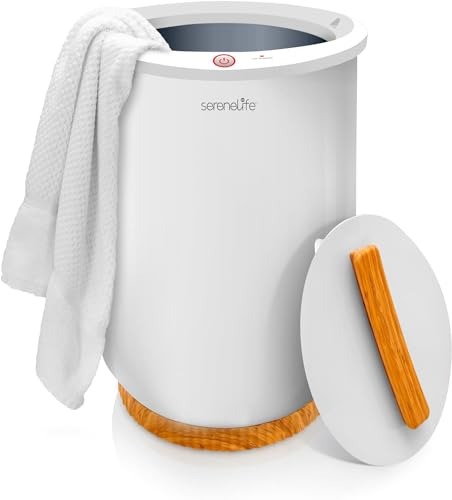
Fatal Mistakes That Shorten Device Lifespan
Many users inadvertently damage their towel warmers through improper usage patterns. Recognizing these “fatal mistakes” is essential for safety and financial prudence. The most common errors involve physical overloading and a misunderstanding of the unit’s thermal limits.
The Danger of Overloading
A towel warmer is designed to facilitate airflow between the fabric and the heated bars. Overloading the unit with multiple layers of towels creates an insulation effect that traps excessive heat against the bars. This can lead to the overheating of the internal heating element, potentially melting internal components or causing the thermal safety switch to trip permanently. Always follow the manufacturer’s guidelines regarding the maximum number of towels.
Hanging Soaking Wet Towels
Towel warmers are designed to dry damp towels and warm dry ones; they are not heavy-duty clothes dryers. Hanging “dripping wet” towels directly from the shower or wash can lead to water seeping into the electrical housing or the power switch, creating a significant risk of short-circuiting or corrosion. Always wring towels out thoroughly before placement.
| Mistake | Consequence | Corrective Action |
|---|---|---|
| Folding towels too many times | Heat entrapment and uneven warming | Drape towels in a single or double layer only. |
| Leaving the unit on 24/7 unnecessarily | Waste of energy and accelerated wear | Use a programmable timer or smart plug. |
| Using abrasive cleaners | Permanent surface scratches and rust | Use only microfiber and mild soap. |
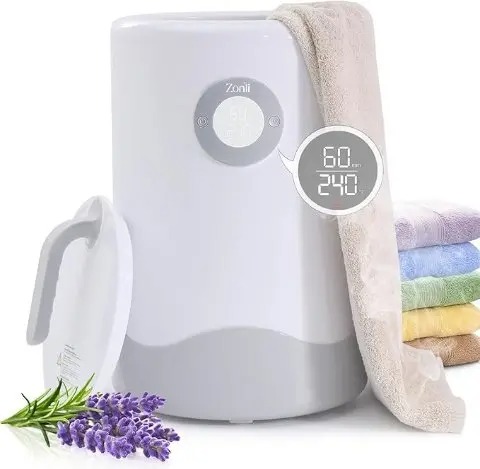
Preventing Mold and Bacterial Growth
The “secret culprit” behind towels that smell musty despite being on a warmer is often poor airflow and improper draping techniques. While the heat from the warmer inhibits bacterial growth, it cannot overcome the moisture trapped in tightly bunched fabric. Mold thrives in dark, damp, and stagnant environments.
The Science of Evaporation
To prevent mold, the moisture must be able to escape the towel as vapor. If a towel is bunched up or “scrunched” on a bar, the center of the fabric remains damp for hours, creating a breeding ground for Serratia marcescens or other bathroom molds. The correct technique is to spread the towel across the full width of the bars, ensuring maximum surface area contact. This utilizes the conductive heat of the bars and the convective airflow of the room to strip away moisture rapidly.
Hygiene and Fabric Choice
Not all towels are created equal. Heavy, high-GSM (grams per square meter) towels hold significantly more water and require more time on the warmer. If you consistently experience mold issues, consider switching to medium-weight cotton towels which dry faster and are more compatible with standard residential towel warmers. Additionally, ensure your bathroom has adequate ventilation (an exhaust fan) to remove the humid air generated during the drying process.
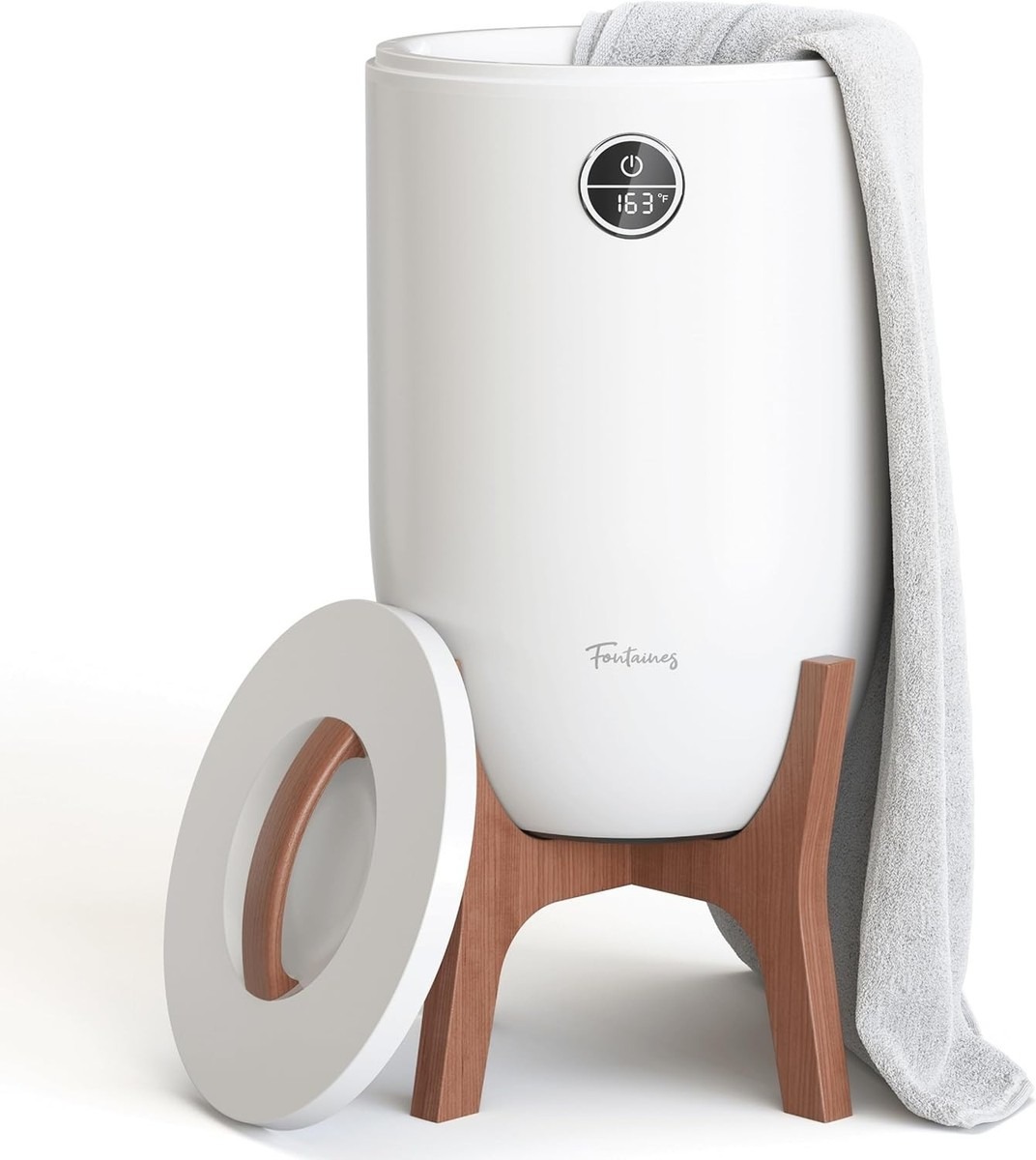
Technical Maintenance for Different Models
Maintenance requirements vary significantly depending on whether your unit is an electric “dry element” type or a “liquid-filled” thermal fluid model. Understanding your specific hardware is the key to targeted care.
Electric Dry Element Units
These units use a heating cable threaded through the bars. They heat up quickly but have less thermal mass. The primary maintenance focus here is the integrity of the internal wiring. Avoid pulling or putting weight on the bars, as this can strain the internal connections. If the unit begins to make a “humming” or “buzzing” sound, it may indicate a loose connection or a failing transformer in low-voltage models.
Liquid-Filled (Hydronic/Oil) Units
These units contain a heat-transfer fluid. They provide a very consistent, gentle heat. Maintenance involves checking for leaks at the base of the bars or near the heating element plug. If you notice an oily residue or a strange odor, the internal seal may have perished. These units should never be turned on if they are leaking, as the heating element could burn out without the surrounding fluid to dissipate the heat.
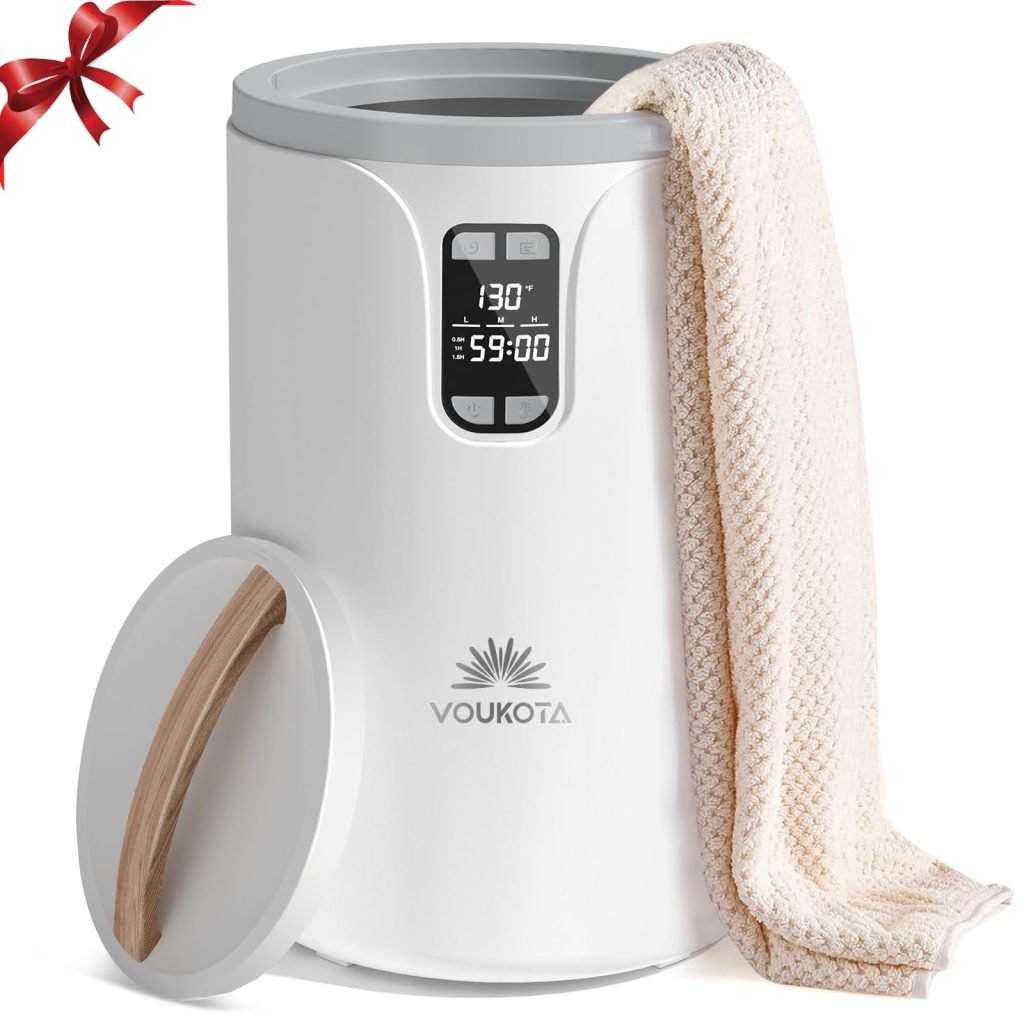
Comparative Maintenance Requirements
To help you manage your appliance, the following table breaks down the maintenance intensity and frequency required for various towel warmer configurations.
| Feature | Plug-In Models | Hardwired Models | Freestanding Models |
|---|---|---|---|
| Installation Check | Check plug for heat/burns | Inspect wall plate seal | Check feet stability |
| Cleaning Difficulty | Low (easy to move) | Medium (fixed position) | Low (360-degree access) |
| Electrical Safety | Test GFCI monthly | Annual professional check | Keep away from water splashes |
| Primary Risk | Cord damage | Internal wire corrosion | Tipping/Physical damage |
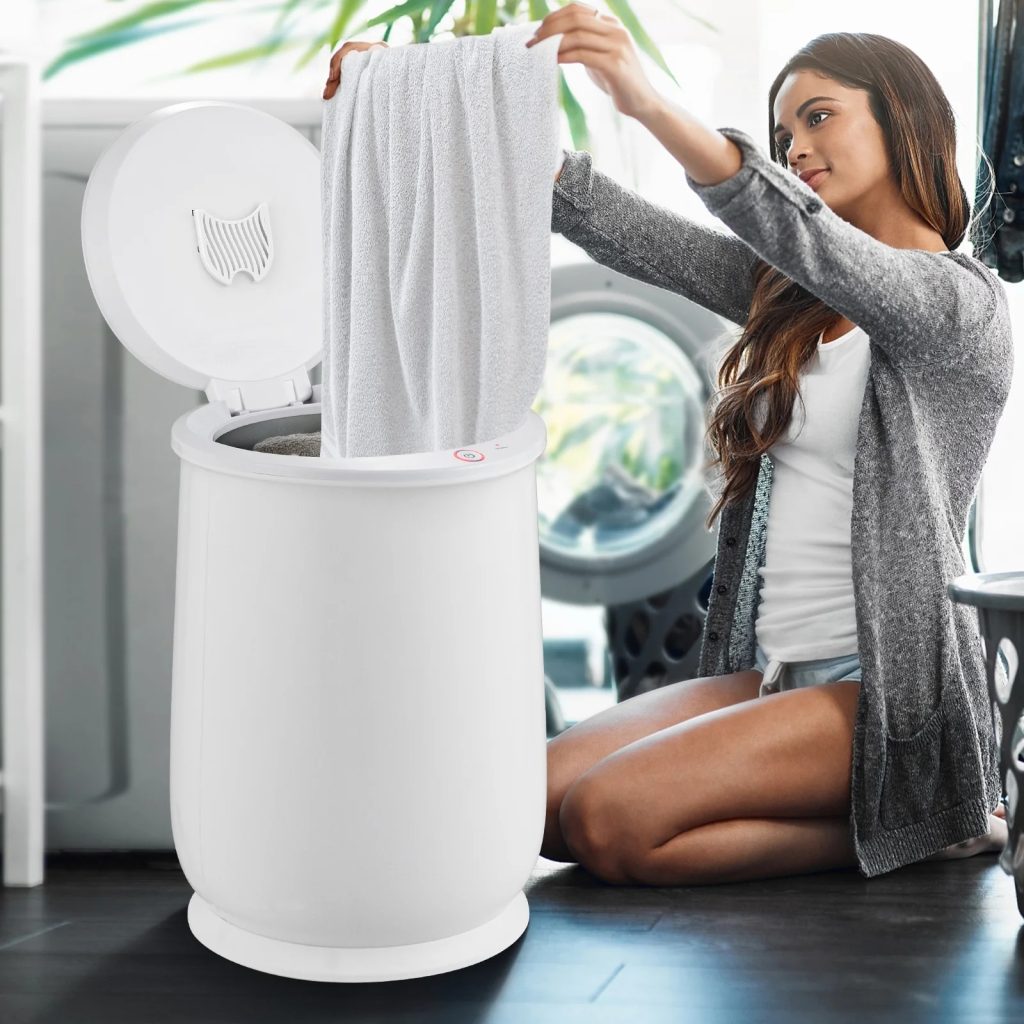
Frequently Asked Questions (FAQ)
- Q1: Why does my towel warmer smell like it is burning?
- A slight “new appliance” smell is common during the first few uses. However, if the smell persists, it is likely due to the accumulation of dust or hair on the bars, or aerosol residue (like hairspray) being “baked” onto the surface. Deep clean the unit with a damp cloth. If the smell is distinctly electrical (acrid/plastic), turn it off immediately and consult an electrician.
- Q2: Can I leave my towel warmer on overnight?
- Most modern towel warmers are designed for continuous operation and have built-in thermal cut-offs. However, for energy efficiency and to extend the life of the heating element, it is recommended to use a timer so the unit is only active 2-3 hours before and after your shower. Leaving it on 24/7 is generally safe but unnecessary.
- Q3: Why are my towels still damp in the middle?
- This is almost always caused by improper draping. If a towel is folded too many times, the heat cannot penetrate the inner layers, and the moisture cannot evaporate. Ensure the towel is spread out across as many bars as possible to facilitate even heating and airflow.
- Q4: Is it normal for the bottom bars to be cooler than the top bars?
- In many electric models, the heating element is concentrated in the middle or top. In liquid-filled models, heat rises, often making the top bars feel slightly warmer. However, a significant temperature difference (where one bar is ice cold) usually indicates a faulty heating element or an air blockage in hydronic systems.
- Q5: How do I remove rust spots from my towel warmer?
- High-quality stainless steel should not rust, but “tea staining” can occur due to salt or chemical exposure. Use a specialized stainless steel cleaner and a non-scratch pad. If the rust is deep, the protective plating has been compromised, and the unit may eventually need replacement to prevent staining your towels.
Reader boundary: This guide is for general editorial information only. Diving, marine-wildlife, environmental, lighting, electrical, appliance, plant-care, and home-installation topics should be checked against current standards, manufacturer instructions, local rules, and qualified professionals before practical use.