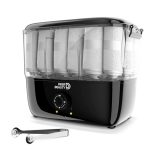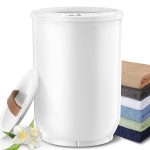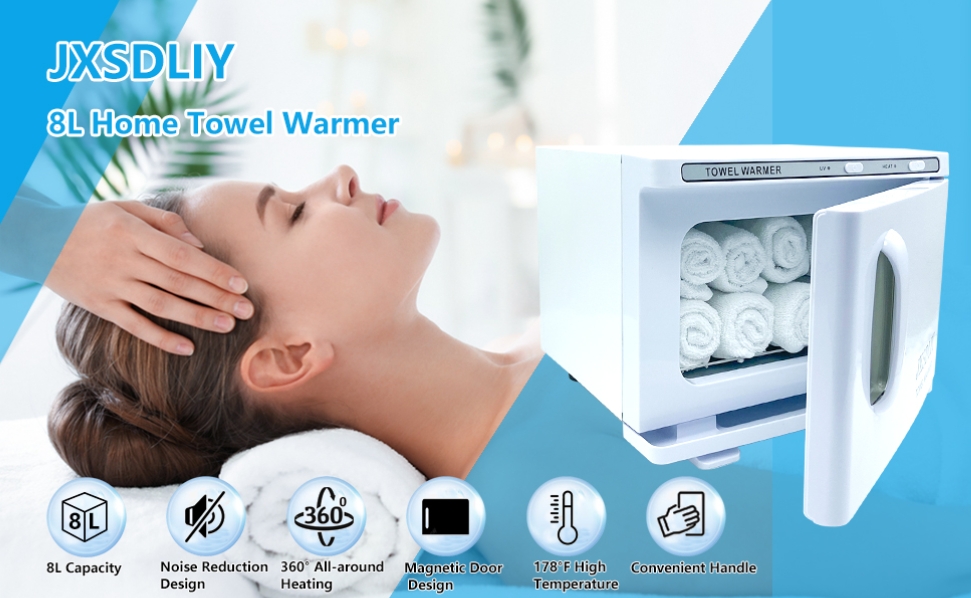
Often perceived as a singular-purpose luxury, the modern towel warmer holds untapped potential far beyond simply warming bath linens. In an era where home appliances are increasingly expected to offer multi-functional utility, the humble towel warmer stands ready for a re-evaluation. Its consistent, gentle heat and controlled environment make it an unexpectedly versatile tool for various household tasks, offering convenience, comfort, and even efficiency.
From its origins as a practical solution for drying towels in damp environments, the towel warmer has evolved into a sophisticated appliance, often featuring thermostatic controls and energy-efficient designs. This guide delves into the ingenious ways you can leverage your towel warmer, transforming it from a bathroom accessory into a dynamic utility device that enhances daily living. Prepare to discover a host of innovative applications that will change the way you view this often-underestimated home essential.
The Science Behind Towel Warmer Versatility
Understanding the fundamental principles of how a towel warmer operates is key to unlocking its full potential for diverse applications. Unlike high-heat dryers or direct heating elements, towel warmers are designed for consistent, low-level radiant heat, which is crucial for their multi-purpose utility. This gentle warmth ensures items are dried or warmed without damage, excessive energy consumption, or creating fire hazards.
Gentle Radiant Heat Explained: How it Works
Towel warmers typically utilize either electric heating elements (dry element or fluid-filled) or hydronic systems (connected to a home’s hot water supply). Both methods deliver heat that radiates outwards, warming objects placed on or near the rails. This radiant heat is distinct from convection heat, which relies on air movement. Radiant heat directly transfers energy to objects, making it highly efficient for warming items evenly and thoroughly without intense temperatures. The controlled temperature range, usually between 100-150°F (38-65°C), is ideal for delicate materials and items that require slow, even drying or warming.
Safety and Material Compatibility Considerations
While versatile, it’s paramount to use a towel warmer safely and understand material compatibility. Always ensure items are dry or damp, not soaking wet, to prevent electrical hazards or excessive moisture build-up. Natural fibers like cotton, wool, and linen, as well as many synthetics, generally fare well. Avoid placing plastics that could melt, items containing flammable liquids, or extremely delicate fabrics (like silk or certain laces) directly on the hottest rails for extended periods without supervision. Always consult the towel warmer’s manual for specific safety guidelines and weight limits. Proper air circulation around items is also vital to prevent localized overheating.
Beyond the Bathroom: Warming Everyday Items
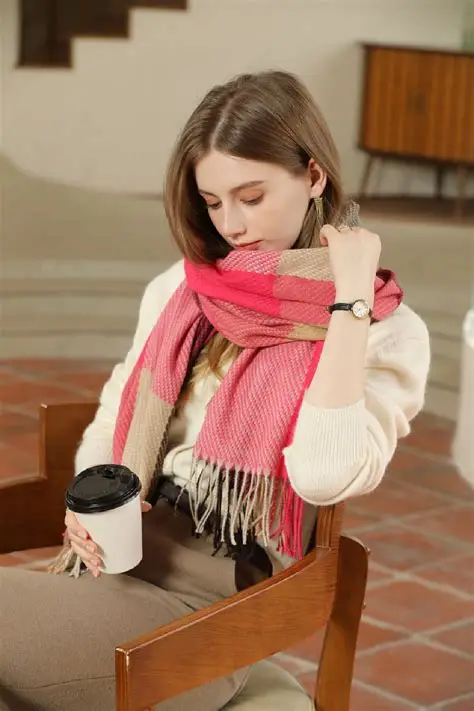
One of the most immediate and satisfying “unexpected” uses for a towel warmer is extending its cozy embrace to personal apparel and accessories. Imagine stepping into pre-warmed clothes on a chilly morning or slipping into a pair of toasty socks after coming in from the cold. The towel warmer makes these small luxuries an everyday reality.
Cozy Comfort: Warming Clothes and Sleepwear
The gentle heat of a towel warmer is perfect for pre-warming clothing, especially pajamas, bathrobes, or even your outfit for the day. This simple act can significantly enhance comfort during colder months. For best results, drape items loosely over the rails, ensuring maximum contact with the heated surface while allowing for some air circulation. Avoid overcrowding the warmer, as this can reduce efficiency and lead to uneven warming. For sleepwear, placing them on the warmer about 15-20 minutes before bedtime provides a delightful, cozy start to your night.
Winter Essentials: Gloves, Hats, and Scarves
Winter accessories often get damp from snow, rain, or even just body heat. A towel warmer offers an excellent solution for gently drying and warming gloves, hats, and scarves. Not only does it make them more comfortable to wear, but it also helps prevent mildew and keeps them fresh. Lay gloves flat or hang them by the cuffs to allow heat to penetrate thoroughly. For hats and scarves, drape them to maximize surface area contact with the warm bars. This application is particularly beneficial for children’s outdoor gear, ensuring they have warm, dry accessories for their next adventure.
The Delicate Touch: Drying & Refreshing Garments
The low, consistent heat output of a towel warmer makes it an ideal alternative to a tumble dryer for specific items, especially those prone to shrinking, stretching, or damage from high heat. This gentle drying method is not only safer for delicate fabrics but can also help extend the lifespan of your garments.
Gentle Drying for Delicates and Hand-Washables
For lingerie, swimwear, baby clothes, or other hand-wash-only items, the towel warmer provides a safe and effective drying solution. Instead of air-drying which can take hours, or risking a tumble dryer, the towel warmer gently evaporates moisture. After hand-washing, lightly wring out excess water, then carefully drape the items over the warmer’s bars. Ensure they are spread out to allow even drying. This method prevents the harshness of machine drying, preserving fabric integrity and shape.
Common Pitfalls to Avoid:
- Overloading: Too many items will block airflow and extend drying time.
- Direct contact for too long: For very delicate items, consider placing a thin towel between the garment and the warmer to diffuse heat.
- Soaking wet items: Always remove excess water before placing items on the warmer to prevent dripping and potential electrical hazards.
Freshening Up: Activewear and Small Linens
Activewear, post-workout, can often feel damp and develop odors even after a quick rinse. A towel warmer can rapidly remove residual dampness, helping to prevent the growth of odor-causing bacteria. Similarly, small linens like tea towels, cloth napkins, or even dishcloths can be quickly refreshed and dried, maintaining hygiene and readiness for use. This quick-drying capability is particularly useful in humid environments where air-drying can be slow and ineffective.
Innovative Home Applications (Non-Textile)
Venturing beyond fabrics, a towel warmer’s controlled heat can be surprisingly useful for various non-textile items, bringing a touch of warmth and convenience to other areas of your home. These uses often leverage the radiant heat to provide gentle warmth or aid in drying processes where high heat is detrimental.
Keeping Bread Warm and Plates Toasty
Imagine serving warm bread rolls at dinner or having pre-warmed plates for your meal, just like in a fine restaurant. A towel warmer can achieve this with ease. For bread, wrap it in a clean towel or foil and place it on the warmer for a few minutes before serving. For plates, simply stack them on the warmer for 5-10 minutes. This adds a touch of sophistication to your dining experience.
Expert Advice: Food Safety and Temperature Control
- Indirect Heating: Always use a barrier (like a clean towel or foil) between food items and the warmer’s bars. Do not place food directly on the metal.
- Monitor Temperature: Towel warmers are not designed for cooking or reheating food to safe internal temperatures. Their purpose here is solely to maintain warmth for a short period.
- Avoid Perishables: Stick to items like bread, pastries, or ceramic plates. Do not attempt to warm meats, dairy, or other perishable foods that require strict temperature control to prevent bacterial growth.
- Cleanliness: Ensure your towel warmer is clean before using it for items that will come into contact with food.
Craft and Hobby Helper: Drying Herbs, Flowers, or Paint Brushes
For hobbyists and crafters, the gentle, consistent heat of a towel warmer can be a valuable asset. It’s excellent for slowly drying small bundles of herbs or delicate flowers, preserving their shape and color better than direct sunlight or oven heat. Similarly, after washing paint brushes, placing them on a towel warmer can speed up their drying time, preventing bristles from clumping and ensuring they are ready for your next project sooner. Always ensure items are non-flammable and won’t melt.
Enhancing Wellness and Pet Comfort
The soothing warmth of a towel warmer extends beyond practical utility to contribute to personal wellness and even the comfort of our beloved pets. These applications highlight the therapeutic potential of gentle heat in everyday life.
Therapeutic Warmth: Heat Packs and Eye Masks
Small therapeutic items like gel-filled heat packs (ensure they are microwave-safe before warming them on the warmer, or designed for gentle heat), grain-filled eye masks, or even a small hot water bottle can be gently warmed on a towel warmer. This provides a comforting warmth for muscle aches, tension relief, or simply relaxation. The controlled heat ensures these items are warm, not scalding, making them safe for direct skin contact.
A Cozy Spot for Pets: Small Animal Bedding
For smaller pets like cats or small dogs, a towel warmer can provide a wonderfully cozy spot, especially during colder months. By placing a small pet blanket or their favorite bedding over the warmer (ensuring it’s not directly on the hottest bars and there’s enough space for the pet to move away), you can create a warm, inviting sleeping or resting area. This is particularly beneficial for older pets or those prone to joint stiffness.
Considerations for Pet Safety:
- Supervision: Always supervise pets initially to ensure they don’t chew on cords or get too hot.
- Escape Route: Ensure the pet has an easy way to move off the warmed area if they get too warm.
- Appropriate Bedding: Use only pet-safe, washable bedding.
- Temperature: Ensure the warmer’s temperature is not excessive for your pet. Some warmers have adjustable settings, which are ideal here.
Pro Tips for Maximizing Your Towel Warmer’s Potential
To truly get the most out of your towel warmer, consider these expert tips that enhance efficiency, safety, and overall utility.
- Strategic Placement: While often in bathrooms, a portable towel warmer can be moved to a laundry room or mudroom for specific drying tasks.
- Timer Usage: Many modern towel warmers come with timers. Utilize them to warm items just before you need them, saving energy and ensuring peak warmth.
- Don’t Overload: Overcrowding reduces airflow and heating efficiency. Distribute items evenly.
- Regular Cleaning: Wipe down your towel warmer regularly to prevent dust buildup, which can affect heating performance and hygiene.
- Check Labels: Always check garment care labels before placing anything on the warmer, especially for synthetics or very delicate fabrics.
- Energy Efficiency: Look for models with low wattage or smart features to minimize electricity consumption for continuous use.
| Feature/Application | Towel Warmer Benefits | Traditional Method (e.g., Tumble Dryer / Air Dry) |
|---|---|---|
| Delicate Garment Drying | Gentle, no agitation, prevents shrinking/stretching, extends lifespan. | Tumble dryer can damage/shrink; air dry is slow and can stiffen. |
| Warming Clothes/Sleepwear | Instant, cozy warmth; energy-efficient for single items. | Radiator can be too hot/uneven; tumble dryer is excessive for pre-warming. |
| Drying Small Items (e.g., gloves) | Quick, even drying, prevents mildew, ready for next use. | Air dry is slow; tumble dryer is inefficient for small loads. |
| Food/Plate Warming | Gentle, indirect warmth for serving; adds a touch of elegance. | Oven uses more energy; microwave is too direct/quick for plates. |
| Therapeutic Heat | Consistent, safe, low-level heat for comfort items. | Microwave can overheat; hot water bottles cool quickly. |
Frequently Asked Questions (FAQ)
- Can I leave items on my towel warmer overnight?
- While many towel warmers are designed for continuous operation, it’s generally recommended to use a timer or remove items once they are warm/dry, especially for delicate fabrics. Leaving items on for excessively long periods can lead to over-drying or unnecessary energy consumption. Always refer to your specific model’s safety guidelines.
- Is it safe to put damp items on an electric towel warmer?
- Yes, towel warmers are designed to handle damp items like towels and swimwear. However, items should be wrung out to remove excess water, not dripping wet. Excessive dripping water near electrical components could pose a hazard. Ensure good ventilation in the room.
- Will using a towel warmer significantly increase my electricity bill?
- Most modern towel warmers are quite energy-efficient, especially compared to larger appliances like clothes dryers. Their wattage is typically similar to a standard light bulb or two. Using a timer to operate it only when needed will further minimize energy consumption. The cost increase is usually negligible for occasional use.
- Can a towel warmer dry clothes completely, or just warm them?
- A towel warmer can effectively dry small, damp items completely, especially delicates, activewear, and small linens, due to its consistent, gentle heat. For larger or very wet items, it might take longer than a conventional dryer, but it will still dry them without the harshness of high heat. It excels at both warming and gentle drying.
- What’s the best way to clean my towel warmer?
- Ensure the towel warmer is turned off and cool before cleaning. Use a soft, damp cloth with a mild, non-abrasive cleaner (if needed) to wipe down the bars. Avoid harsh chemicals or abrasive pads that could damage the finish. Regular dusting will keep it looking good and performing efficiently.
Reader boundary: This guide is for general editorial information only. Diving, marine-wildlife, environmental, lighting, electrical, appliance, plant-care, and home-installation topics should be checked against current standards, manufacturer instructions, local rules, and qualified professionals before practical use.