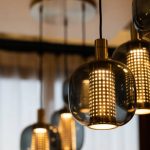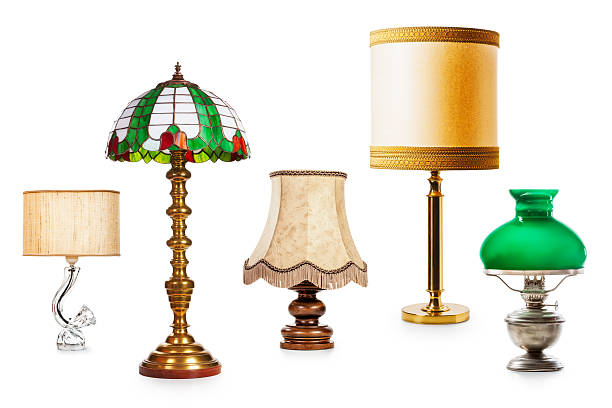
The humble table lamp has undergone a radical transformation. For decades, the standard design was a simple base topped with a fabric or glass lampshade—a functional but often uninspired object. Today, we are witnessing a farewell to this old-fashioned paradigm. The modern table lamp is a testament to the dual evolution of form and functionality, where lighting is no longer just about illumination but about artistry, technology, and seamless integration into our living spaces. This guide explores this exciting shift, charting the course from clunky shades to sculptural, intelligent lighting solutions.
The Decline of the Traditional Lampshade: A Paradigm Shift
The classic lampshade, once a staple of interior design, is seeing its dominance wane. This isn’t just a fleeting trend; it’s a fundamental shift in our relationship with lighting and home decor. The move away from traditional shades is driven by a desire for cleaner lines, better efficiency, and more versatile functionality.
Why Traditional Designs Are Fading
Several factors contribute to the decline of the conventional lamp-and-shade model. Aesthetically, their bulky silhouettes can feel dated and visually heavy in contemporary, minimalist interiors. Functionally, they often trap light, creating a limited pool of illumination rather than effectively brightening a space. Furthermore, the separation of base and shade represents a design philosophy that is being replaced by a more holistic, integrated approach.
The Rise of Integrated and Sculptural Forms
In place of the old model, designers are embracing integrated forms where the light source is part of the lamp’s overall structure. This allows for breathtakingly creative and sculptural designs that double as art pieces. The lamp is no longer just an accessory; it is a focal point, a statement of style that is beautiful whether it is on or off.
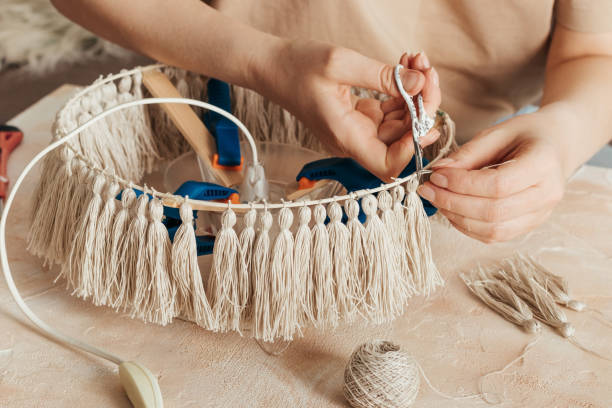
Core Principles of Modern Table Lamp Design
The evolution of the table lamp is guided by several core design principles that prioritize simplicity, purpose, and technological advancement. Understanding these concepts reveals the “why” behind the modern aesthetic.
Minimalism and Negative Space
Modern design celebrates the idea that “less is more.” Lamps are stripped down to their essential elements, resulting in clean lines, simple geometric shapes, and an absence of unnecessary ornamentation. This approach utilizes negative space—the empty area around the object—to make the lamp itself more impactful and to contribute to a room’s uncluttered, serene atmosphere.
Form Follows Function
A cornerstone of modernism, this principle dictates that a design’s shape should be primarily based upon its intended function. For table lamps, this means the design is optimized for light delivery. This could manifest as an adjustable arm for task lighting, a diffused glow for ambient light, or a focused beam for reading. The aesthetic beauty arises directly from this functional efficiency.
Material Honesty
Modern lamps often showcase their materials authentically. Instead of hiding construction, designers celebrate the inherent qualities of metals like brushed brass and matte black steel, the warmth of natural wood, or the sleekness of modern polymers and concrete. There is no pretense; the material is a key part of the design story.
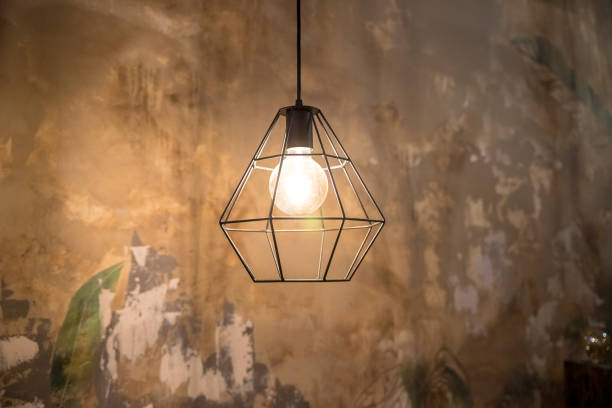
The Fusion of Technology and Aesthetics
Perhaps the single greatest catalyst for modern lamp design is technology. Advances in lighting have completely unshackled designers from the constraints of the traditional light bulb, allowing for an unprecedented fusion of high-tech functionality and artistic form.
Integrated LED: The Ultimate Game-Changer
Integrated Light Emitting Diodes (LEDs) are the engine of this revolution. Because LEDs are tiny, durable, and produce very little heat, they can be built directly into the lamp’s structure in any shape imaginable—lines, rings, or abstract forms. This eliminates the need for a bulky socket and shade, giving designers total creative freedom and consumers a highly energy-efficient, long-lasting light source.
Smart Lighting and User Control
Modern lamps are becoming part of the connected home. Smart features are increasingly standard, offering users unparalleled control over their environment. This includes:
- Tunable White Light: Adjusting the color temperature from a warm, cozy glow to a cool, energizing daylight.
- Dimming Capabilities: Effortlessly setting the brightness to match any mood or task.
- Wireless Control: Managing the lamp via smartphone apps or voice assistants like Alexa and Google Home.
The Rise of Cordless and Portable Designs
Improvements in battery technology have given rise to a new category of high-design portable lamps. These cordless wonders can be moved anywhere they are needed—from a desk to a patio table—offering ultimate flexibility without being tethered to an outlet.
Choosing the Perfect Modern Lamp: A Practical Guide
With so many innovative designs available, selecting the right modern lamp can be exciting but also daunting. The key is to balance aesthetic appeal with practical needs.
Comparison of Modern Lamp Styles
Use this table to identify which style best suits your needs:
| Lamp Style | Primary Function | Best For | Key Characteristics |
|---|---|---|---|
| Sculptural / Artistic | Ambient Lighting & Decor | Living rooms, entryways, statement pieces on consoles. | Unconventional shapes, acts as art, prioritizes form. |
| Minimalist Task Lamp | Focused, Directional Light | Desks, reading nooks, bedside tables. | Adjustable arm, clean lines, function-forward design. |
| Ambient Glow Lamp | Mood & General Lighting | Bedrooms, shelves, creating a soft atmosphere. | Diffused light, often using materials like frosted glass or polymer. |
| Portable / Cordless | Flexible & Multi-Room Use | Anywhere you need temporary light, including outdoors. | Rechargeable battery, lightweight, compact design. |
Expert Advice: Pre-Purchase Checklist
- Assess Your Lighting Need: Do you need bright, focused light for tasks, or a soft, ambient glow for relaxation? Define the primary purpose first.
- Consider Scale and Proportion: Ensure the lamp’s size is appropriate for the table and room it will occupy. A massive lamp on a tiny end table will look unbalanced.
- Check the Light Source: Is it an integrated LED? If so, check the expected lifespan (often 20,000+ hours). Can you control the brightness and color temperature?
- Evaluate the Materials: Choose materials that complement your existing decor. A brushed brass lamp adds warmth, while a matte black or concrete lamp adds an industrial edge.
- Think About Control: How do you turn it on? A simple switch, a touch-sensitive base, or a smart app? Choose what best fits your lifestyle.
Frequently Asked Questions (FAQ)
- Are modern lamps with integrated LEDs bright enough for reading?
- Absolutely. Many modern task lamps are specifically designed for reading and focused work. Look for lamps that specify their light output in lumens (800 lumens is roughly equivalent to a 60W bulb) and feature an adjustable head to direct the light precisely where you need it.
- How do I incorporate a very modern lamp into a more traditional decor?
- The key is to create a deliberate, stylish contrast. Choose a modern lamp with a timeless material, like marble or warm brass, which can bridge the gap between styles. Treat the lamp as a piece of “functional sculpture” that adds a surprising and contemporary element to your classic space.
- What happens when the integrated LED in my lamp burns out?
- This is a common concern, but modern integrated LEDs have incredibly long lifespans, often rated for 20,000 to 50,000 hours of use. For most households, this translates to 15-25 years of service. By the time the LED fails, the lamp itself may be ready for a style update. High-end manufacturers often offer repair or replacement services as well.
- How do I clean modern lamps made from materials like matte metal or concrete?
- For most modern materials, a simple dry or slightly damp microfiber cloth is all you need. Avoid harsh chemical cleaners, as they can damage the finish. For textured surfaces like concrete, a soft-bristled brush can help remove dust from crevices. Always unplug the lamp before cleaning.
Reader boundary: This guide is for general editorial information only. Diving, marine-wildlife, environmental, lighting, electrical, appliance, plant-care, and home-installation topics should be checked against current standards, manufacturer instructions, local rules, and qualified professionals before practical use.